




The Hidden Pillow Problem
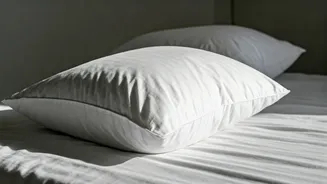
Beyond the visible, your pillow is a magnet for unseen invaders. Over time, it diligently absorbs sweat, body oils, skin cells, and airborne dust, creating
an environment that can impact your well-being. While regularly changing pillowcases is essential for cleanliness, it only addresses the surface layer. Your pillow itself accumulates these substances, slowly diminishing its freshness, loft, and overall hygiene. This accumulation can contribute to a less-than-ideal sleep environment, potentially affecting comfort and health. Paying attention to these subtle changes is key to understanding when your pillow needs more than just a fresh case.
Cleaning Frequency Revealed
The consensus among experts suggests a thorough cleaning for your pillows every three to six months. This regular maintenance is vital for eliminating the build-up of dust, oils, and sweat that inevitably settle within the filling. For individuals who experience significant night sweats, suffer from allergies, or share their sleeping space with pets, increasing this frequency to every two to three months is advisable. Research highlights that uncleaned bedding, including pillows, can become breeding grounds for bacteria and allergens, potentially disrupting sleep patterns and exacerbating sensitivities. Regularly assessing your pillow's feel and aroma provides an intuitive guide to its cleanliness needs.
Washing Method Matters
The way you clean your pillow depends significantly on its internal composition. Down and microfiber pillows are generally the most forgiving, often suitable for a gentle cycle in your washing machine with a mild detergent. To ensure an even clean and prevent the machine from becoming unbalanced, it's recommended to wash two pillows at a time. Conversely, pillows filled with materials that readily absorb moisture and may lose their shape when saturated require a more delicate approach. Spot cleaning with a slightly soapy cloth is ideal for these, demanding patience and careful handling to avoid damaging the filling and ensuring it dries completely to prevent mildew.
Drying and Replacement Cycles
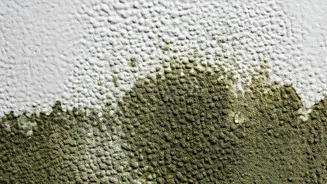
Proper drying is just as critical as washing to prevent mould growth from lingering moisture within your pillow. Air drying in direct sunlight is an effective method when feasible. If using a dryer, opt for a low heat setting and ensure the pillow is thoroughly dry before use. Regardless of cleaning efforts, pillows have a finite lifespan. Most experts advise replacing them every one to two years, depending on usage and material quality, to maintain optimal hygiene and support. Signs like a lingering odor, noticeable lumps, or waking up with neck discomfort indicate it's time for a new pillow, as older ones can harbor difficult-to-remove allergens that impact sleep and breathing.