





Understanding Sun Tanning
Summer days, though enjoyable, often leave us with an unwelcome tan. This darkening of the skin is a protective response: when exposed to ultraviolet (UV)
radiation from the sun, our bodies ramp up melanin production. Melanin is the pigment responsible for skin and hair colour, and its increased production acts as a shield, absorbing harmful UV rays to protect our cellular DNA from damage. Typically, a tan naturally fades over three to four weeks as skin cells shed, but this passive process can feel agonizingly slow when you're eager to regain your original complexion. Fortunately, you can significantly accelerate this shedding and tan removal process using readily available natural ingredients, bypassing the need for expensive dermatological procedures.
The Power of Kitchen Ingredients
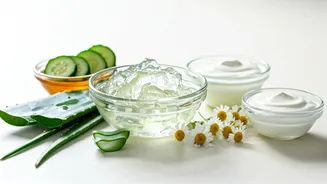
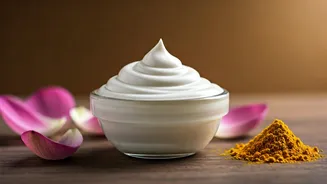
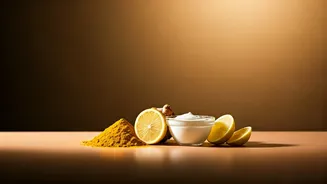
Many traditional Indian household ingredients, often referred to as 'kitchen dermatology', offer remarkable tan removal properties. These ingredients leverage natural science to exfoliate and brighten your skin. For normal to oily skin types, a potent blend consists of two tablespoons of besan (gram flour), one tablespoon of yogurt, and a tiny pinch of turmeric. The yogurt's lactic acid acts as a chemical exfoliant, dissolving dead skin cells, while besan provides gentle physical scrubbing. Turmeric, with its antioxidant curcumin, aids in brightening and regulating melanin production. For those with sensitive or dry skin, a soothing alternative is a mix of mashed ripe papaya and fresh aloe vera gel. Papaya contains the enzyme papain for gentle enzymatic exfoliation, and aloe vera soothes, hydrates, and helps inhibit melanin synthesis, offering a non-abrasive, deeply nourishing treatment.
Caution: Avoiding Lemon's Pitfalls
While the internet is rife with advice, one common 'hack' that should be strictly avoided is applying raw lemon juice to the skin for tan removal. Lemon juice is highly acidic, with a pH around 2, and applying it directly to your face severely compromises your skin's natural protective acid mantle. This can lead to irritation and increased sensitivity. Furthermore, if you expose your skin to sunlight after applying lemon juice, you risk phytophotodermatitis, a severe inflammatory reaction that can result in blistering and resemble a chemical burn. It's crucial to discard this particular DIY remedy and opt for safer, more beneficial kitchen ingredients.
Protecting Your New Skin
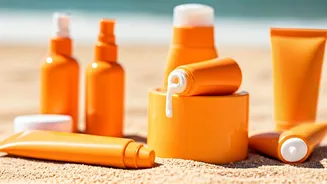
After diligently working to remove a tan and revealing fresher, brighter skin, it is absolutely paramount to protect it. Accelerating cellular turnover exposes newly formed skin cells that are incredibly delicate and vulnerable to sun damage. Stepping out into the sun without adequate protection, specifically a broad-spectrum SPF 50 sunscreen, can lead to immediate re-tanning or even sunburn. This vital step ensures that your efforts to lighten your skin are not undone and that your rejuvenated complexion remains healthy and protected from further harm.