






Coastal Charm In Gokarna
As April marks the close of Gokarna's beach season, expect temperatures between 30°C to 34°C with refreshing sea breezes. The warm waters are perfect for
swimming before the June monsoons. This laid-back pilgrimage town offers access to its crescent beaches – Om, Half Moon, and Paradise – reachable via a scenic trek. The highlight is Om Beach, shaped like the auspicious 'Om' symbol when viewed from above, with a three-kilometre trail leading to Half Moon and Paradise beaches. The ancient Mahabaleshwara Temple houses one of South India's most revered Shiva lingas, surrounded by a vibrant pilgrim town filled with flower and lamp vendors. For a spectacular end to the day, head to the Kudle Beach headland. A short scramble over rocks rewards you with panoramic views of the temple spire and Om Beach, all set against the Arabian Sea as it turns a fiery copper hue during sunset.
Franco-Tamil Rhapsody In Puducherry
Puducherry in April offers a warm embrace, with temperatures ranging from 30°C to 35°C, but the pleasant sea breeze along the promenade and the shade provided by the bougainvillea-laden lanes of the French Quarter make the heat quite bearable. Beach swimming is enjoyable, and the town's unique blend of French and Tamil culture is in full swing, with cafes and rooftop restaurants buzzing. The Sri Aurobindo Ashram and Auroville remain active, welcoming summer volunteers. To truly soak in the serene atmosphere, consider visiting mid-week, as weekends tend to attract crowds from nearby Chennai. Must-do experiences include cycling through the picturesque White Town at dawn, witnessing the sunrise over the Bay of Bengal from the promenade, and immersing yourself in a French-Tamil fusion cooking class, blending European pastry techniques with local South Indian spices.
Himalayan Vistas In Sandakphu
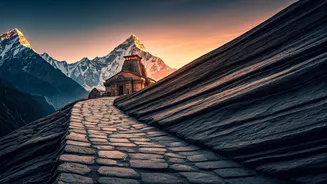
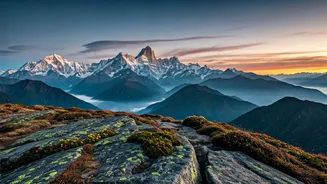
April is prime trekking season for Sandakphu, reaching an altitude of 3,636 metres. This is when the rhododendron forests along the Singalila Ridge burst into vibrant shades of crimson and pink. The crystal-clear air offers unparalleled views of four of the world's five highest mountains: Everest, Kangchenjunga, Lhotse, and Makalu. The trail traces the Indo-Nepal border at a high altitude, with manageable temperatures of around 0°C at night and 12°C during the day, provided you are dressed in layers. The 'Sleeping Buddha' view of the Kangchenjunga massif from the summit is particularly breathtaking in the pre-dawn light. You might also spot elusive red pandas in the rhododendron forests. For an authentic experience, stay overnight at the simple lodges in Tumling and Tonglu, enjoying hot thukpa and ginger tea while waking up to stunning mountain vistas.
Valley Awakening In Kasol & Kheerganga
As April arrives, Parvati Valley comes alive with receding snow at lower elevations, glacial melt feeding the cold river, and budding walnut and apple trees. Kasol serves as the ideal base for backpackers, with its cafes and campsites reopening after winter. The much-anticipated 12-kilometre trek to Kheerganga becomes accessible by mid-April, leading to a rewarding high-altitude hot spring. Daytime temperatures hover around a pleasant 20°C, perfect for trekking, while nights cool down to about 5°C. Don't miss the Kheerganga Hot Springs, situated at 2,950 metres, and the Manikaran Gurudwara, a sacred site built over a natural hot spring. Enjoy tranquil riverside walks in Chalal Village, just a suspension bridge away from Kasol, offering stunning Himalayan views.
Spiritual Heartbeat Of Varanasi
Varanasi in April experiences warm weather, with temperatures between 32°C and 38°C, necessitating a well-planned itinerary. Embrace the city's ancient rhythm by exploring the ghats during the early mornings and evenings for the mesmerizing aarti ceremonies and boat rides on the sacred River Ganga. The ghats are particularly photogenic in the soft morning light. April is a significant month for pilgrims from both Hindu and Buddhist traditions, infusing the city with palpable spiritual energy. Essential experiences include witnessing the Dashashwamedh Ghat evening aarti, a grand ritual of light and incense at dusk. A visit to Sarnath, where Buddha delivered his first sermon, is also crucial. For a deeper understanding of daily life, take a pre-dawn boat ride on the Ganga, observing devotees and priests in their quiet rituals.
Sculptural Grandeur In Khajuraho
April offers an ideal window to visit Khajuraho, as the crowds thin out compared to the peak winter season, and the temperatures, while warm, are not yet oppressively hot like in summer. The clear April light beautifully accentuates the intricate nagara-style architecture of the Chandela dynasty's temple complexes, with their towers mimicking mountain ranges. This compact site is perfect for a two-day exploration on foot. Key highlights include the Western Temple Group, boasting the grand and ornate Kandariya Mahadeva temple, and the Eastern Jain Temple Group, featuring exquisite secular sculptures like the 'woman removing a thorn from her foot.' The evening Sound and Light Show at the Western Group dramatically illuminates these ancient artworks, bringing them to life.
Island Rhythms In Majuli
Majuli, the world's largest inhabited river island situated in the Brahmaputra River, is best explored between November and April before the monsoon floods alter its landscape. April's warm air (28°C to 33°C), coupled with a gentle river breeze, makes exploration comfortable. The Brahmaputra is calm enough for ferry crossings, and the island's network of cycling paths connecting Vaishnava satras (monastery-village centres) is a delight to traverse. This island is a cultural treasure trove, renowned for its mask-making traditions, classical Sattriya dance form, and deep-rooted Vaishnava culture. Don't miss experiencing the vibrant masked performances and devotional music at the Auniati, Kamalabari, and Garamur satras, and witnessing the intricate mask-making process at Chamaguri Satra.
Emerald Hills Of Munnar
Munnar in April is a breathtaking spectacle, with temperatures ranging from 15°C to 28°C. The recent rains have left the tea gardens a brilliant emerald hue, and the waterfalls are at their most magnificent. This high-altitude tea-growing region is exceptionally photogenic during April. Eravikulam National Park is open, offering opportunities to see the endangered Nilgiri tahr grazing close to the Rajamalai grassland trail. The Attukal and Lakkam Waterfalls are at their visual peak, with Lakkam cascading dramatically through a shola forest ravine into pools perfect for a refreshing dip. Visiting a tea factory during processing provides a sensory journey, from withering to firing, accompanied by the rich aroma of tea.
Tranquil Valleys Of Ziro
Ziro Valley in April presents a stunning visual palette, with pine forests displaying a deep green, paddy fields being freshly prepared, and the Apatani tribal villages bustling with their daily life. The weather remains pleasant, with daytime temperatures reaching only 22°C and cool nights, and the monsoon rains have yet to arrive. Ziro is a UNESCO World Heritage site nominee, celebrated for its unique cultural landscape. The Apatani people's integrated rice-and-fish farming system is a testament to sustainable ingenuity, evident in the distinctive bamboo-and-wood architecture of villages like Hong and Bamin-Michi. Exploring Talley Valley Wildlife Sanctuary, home to clouded leopards and red pandas, offers one of Northeast India's most rewarding wildlife experiences. The Kile Pakho viewpoint provides a panoramic vista of the entire valley, especially captivating at sunrise.
Desert Dreams In Rann of Kutch
April represents the last opportunity to experience the Rann of Kutch before the intense summer heat sets in. The vast white salt flats shimmer under the brilliant blue skies, creating a surreal, almost hallucinatory landscape where the horizon blurs and distant objects appear to float. Early mornings and evenings are the best times to explore, with average temperatures between 32°C and 38°C. The White Rann salt flats, spanning over 7,500 square kilometres, mirror the sky, and walking them at dusk when they turn pink is an unforgettable experience. Don't miss Kala Dungar for dramatic Rann panoramas stretching towards Pakistan and the artisan villages showcasing exquisite block-printed textiles and embroidery. Witnessing the sunrise at the White Rann as it turns gold and rose is a moment of pure magic.
Alpine Serenity In Lansdowne
Lansdowne, a charming and relatively uncommercialised hill station in Uttarakhand situated at 1,700 metres, is surrounded by oak and rhododendron forests. In April, the rhododendrons are in full, brilliant red bloom, and the clear air offers stunning Himalayan views, including glimpses of peaks like Trishul. Temperatures between 15°C and 25°C make it perfect for leisurely walks along forest trails. The Tip N Top Viewpoint provides expansive vistas of the snow-capped Himalayas, while Bhulla Lake, maintained by the Army, offers a serene escape amidst oak and pine forests. Explore the well-preserved cantonment architecture, including Gothic St. Mary's Church and Colonial bungalows, and experience the local fair at Durga Devi Temple.
Mountain Breezes In Mahabaleshwar
April is one of the final comfortable months in Mahabaleshwar before the monsoon arrives in June, with temperatures ranging from 28°C during the day to 14°C at night. While the strawberry season is nearing its end, farm visits are still possible, and the forests are intensely green. The pre-monsoon air in April provides spectacular, clear views of the valleys from the plateau edges. Arthur's Seat offers a dramatic near-vertical drop and stunning views of the Koyna River below. Venna Lake, a Colonial-era boating lake, imparts an old-fashioned charm to the town. A visit to Pratapgad Fort, the site of a pivotal historical encounter, is also recommended. Enjoy the last strawberries of the season with preserve and jam-making demonstrations, and catch a magnificent sunrise at Wilson Point.
Island Paradise In Andaman
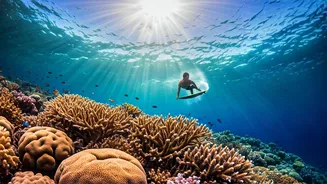
The Andaman Islands in April offer calm seas with underwater visibility extending to 20-30 metres, and water temperatures around 28°C, making it ideal for snorkelling, scuba diving, and sea kayaking. Humidity hasn't yet reached its peak tropical levels. The beaches are pristine and uncrowded, complemented by the islands' rich history and indigenous culture. Radhanagar Beach on Havelock Island is renowned for its shell-white sand and turquoise waters. The Cellular Jail in Port Blair offers a poignant glimpse into India's freedom struggle. Neil Island boasts accessible coral reefs and a natural rock arch. April is perfect for getting PADI Open Water certified, kayaking through the Baratang mangroves, and experiencing the magic of bioluminescent snorkelling at night.
Ancient Wonders Of Hampi
April provides a favourable window to explore the boulder-strewn ruins of Hampi before the summer heat becomes intense, with daytime temperatures reaching 35°C but pleasant mornings and evenings. This UNESCO World Heritage site demands a slow pace for exploration, and April allows for this in relative solitude. Key attractions include the continuously used Virupaksha Temple, its gopuram towering over the bazaar, and the Vittala Temple, famous for its iconic stone chariot and musical pillars. Climbing Matanga Hill for sunrise offers a breathtaking panorama of the Hampi Bazaar and the Tungabhadra River. A traditional coracle ride on the Tungabhadra River offers a unique perspective, and cycling through the boulder-strewn trails towards Anegundi village leads to many less-visited temple ruins.
High Desert Trails In Spiti Valley
As April marks the reopening of mountain roads after winter, Spiti Valley becomes accessible, with snow still clinging to higher peaks while lower slopes begin to show greenery. Temperatures range from 2°C to 15°C, offering crisp weather ideal for trekking and exploring without the summer crowds. The ancient Himalayan monasteries, such as Key and Dhankar, possess an otherworldly charm in the shoulder-season calm. Key Monastery, perched at 4,166 metres, is one of Spiti's oldest Tibetan Buddhist monasteries. Chandratal Lake, the 'Moon Lake,' glows an ethereal turquoise blue. Langza Fossil Village, at 4,400 metres, is famed for marine fossils and a giant golden Buddha statue. Driving the Kunzum Pass Road and attending a monastery prayer session at dawn are unforgettable experiences.