






What Are Boneyards?
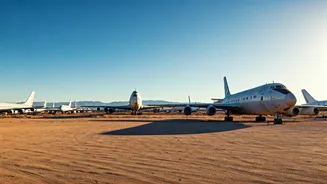
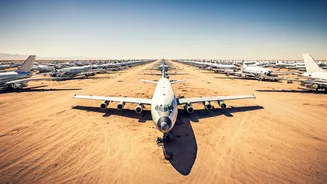
Aircraft boneyards, often termed graveyards, serve as extensive storage facilities for aeroplanes that have completed their operational service. Far from
being mere junkyards, these locations are dynamic centers for the meticulous preservation of aircraft, the strategic harvesting of valuable components, and the responsible recycling of materials. They accommodate a wide spectrum of aerial vehicles, from commercial passenger jets to sophisticated military fighters. Sites like Davis-Monthan Air Force Base in Arizona, managed by the U.S. Air Force, are home to thousands of these grounded giants, showcasing the sheer scale of this aviation afterlife. These facilities are a testament to the industry's foresight in managing its fleet's end-of-life cycle effectively and sustainably.
Why Desert Sanctuaries?
The choice of desert environments for aircraft boneyards is a deliberate and practical one, primarily driven by their unique climatic advantages. The extremely low humidity levels characteristic of deserts significantly inhibit the corrosive effects of rust, thus preserving the aircraft's metallic structure for extended periods. Furthermore, the naturally hard-packed, arid soil, such as the caliche found in Arizona, provides a stable foundation capable of supporting the immense weight of aircraft without them sinking, negating the need for costly paved surfaces. As highlighted by reports on locations like Davis-Monthan, the arid heat and minimal rainfall create an environment where aircraft degrade at a remarkably slow pace. This minimal environmental impact translates into reduced maintenance requirements, allowing these planes to remain in storage, often for decades, in a state of remarkable preservation.
Storage Preparations
Upon their arrival at a boneyard, every aircraft undergoes a thorough preparation process designed to ensure its longevity and potential for future use. Technicians meticulously drain all onboard fuel and operational fluids to prevent degradation and potential hazards. Following this, critical components and vulnerable openings are carefully sealed, often with specialized spray-on coatings, to shield the aircraft's interior and exterior from the harsh desert sun and invasive dust particles. The planes are then systematically arranged in orderly formations. To maintain their readiness for reactivation, especially during periods of high demand like global health crises, they receive routine checks. This includes periodic rotation of tires and testing of various systems. Additionally, reflective white covers are frequently applied to protect sensitive areas such as cockpits and propellers from the damaging effects of ultraviolet radiation, thereby preserving their integrity.
Component Recovery
A primary function of aircraft boneyards is the strategic extraction of valuable components, a process known as 'cannibalisation.' This practice is crucial for maintaining operational fleets, as essential parts like engines, sophisticated avionics systems, and robust landing gear are carefully removed from retired aircraft. These salvaged components are then meticulously refurbished and utilized on active aeroplanes currently in service. This vital step offers significant cost savings to airlines, as acquiring new, factory-made parts can be prohibitively expensive. By repurposing these high-value items, airlines can effectively extend the operational life of their active aircraft, ensuring cost-efficiency and continued flight operations without the massive expenditure associated with purchasing brand-new components, thereby keeping global aviation economically viable.
Recycling or Revival?
At the ultimate end of their lifecycle, aircraft in boneyards face two distinct fates: comprehensive recycling or potential revival. For planes destined for recycling, they are completely dismantled, with their constituent materials being processed for new uses. For instance, aluminum is melted down and repurposed into everyday items like beverage cans, while titanium finds new life in products such as golf clubs. In rarer but significant cases, certain aircraft are not merely dismantled but are instead reactivated and returned to service after spending years in storage. A notable example of this is the B-52 bomber, some of which have been brought back online after lengthy periods of boneyard dormancy. This dual capability highlights the boneyards' role in both resource recovery and the strategic preservation of valuable assets within the aviation ecosystem.