

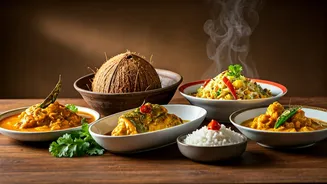
Introduction to Flavors
Northeast Indian cuisine, often overlooked, presents a fascinating blend of flavors, influenced by its unique geography and diverse communities. This region,
encompassing states like Assam, Manipur, Meghalaya, Mizoram, Nagaland, Tripura, and Arunachal Pradesh, each boasts its distinct culinary identity. The food reflects the local produce and traditional cooking methods. The use of fresh ingredients, often locally sourced, is a hallmark of Northeast Indian cuisine, showcasing a commitment to natural flavors and simplicity. Fermentation techniques play a crucial role, creating unique tastes and textures that distinguish the region's cuisine. Moreover, the influence of neighboring countries, like Myanmar and Tibet, adds layers of complexity, making Northeast Indian food a captivating culinary experience.
Assam: The Land of Tea
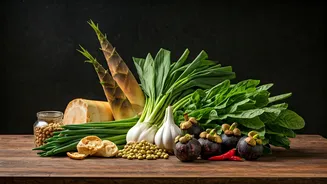
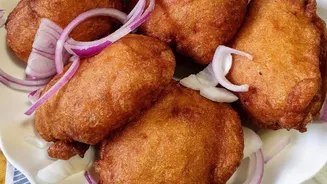
Assam's cuisine is synonymous with tea and the fertile Brahmaputra valley. The state's cuisine features a variety of rice-based dishes, fish curries, and unique vegetable preparations. Masor Tenga, a sour fish curry, is a quintessential Assamese dish, often prepared with tomatoes, lemon, and other souring agents. Duck meat curries and dishes featuring bamboo shoots are also popular. Assam's love for tea is reflected in its culture, with the beverage often integrated into meals and social gatherings. The use of herbs and spices is moderate, allowing the natural flavors of the ingredients to shine. Pitha, a type of rice cake, is a significant part of Assamese sweets and savories, prepared in various forms, such as steamed, fried, or baked. The cuisine is a testament to the state's agricultural abundance and culinary traditions.
Manipur: A Culinary Ballet
Manipur's cuisine is characterized by its refined flavors and unique dishes, reflecting the state's cultural heritage. The use of fermented fish, known as ngari, is a distinct feature, adding a savory depth to many dishes. Eromba, a spicy and flavorful stew made with fermented fish, vegetables, and potatoes, is a must-try. Singju, a flavorful salad with a mix of vegetables, is very popular. Manipuri dishes often incorporate a variety of herbs and spices, enhancing the taste of the dishes. Rice is the staple food, usually served with curries and vegetables. The influence of neighboring regions is evident, yet Manipuri cuisine maintains its unique identity, offering a diverse and delicious culinary experience for anyone visiting or wanting to try their food.
Meghalaya: Mountains and Morsels
Meghalaya's cuisine reflects the state's mountainous terrain and diverse communities. The food is often simple and flavorful, with a focus on fresh ingredients and local produce. Jadoh, a rice dish cooked with pork blood, is a popular specialty among the Khasi people. Another favorite is Dohkhlieh, a pork salad, demonstrating the creative use of pork in local cuisine. The food tends to be less spicy compared to other regions. Rice is a staple, often served with meat or vegetable dishes. The use of bamboo shoots is common, adding a unique texture and flavor. Meghalaya's cuisine is a celebration of its natural resources and culinary heritage, offering a taste of the region's unique culture.
Mizoram: Spiced and Savory
Mizoram's cuisine showcases the flavors of the Mizo people, known for their unique cooking styles and use of local ingredients. The food is flavorful and often includes dishes with meat and fish. Bai, a dish made with pork, spinach, and bamboo shoots, is a popular Mizoram delicacy. Mizo food utilizes various herbs and spices, giving the dishes their distinctive taste. Rice is the staple, enjoyed with a variety of curries and vegetables. The Mizos' close relationship with agriculture and local resources is seen in their dishes. Mizoram's cuisine is a beautiful demonstration of the Mizo people's culinary skills.
Nagaland: Smoke and Spice
Nagaland's cuisine stands out due to its bold flavors, especially the liberal use of chili peppers and fermented products. Smoked meats are a specialty, prepared using traditional methods, adding a unique smoky flavor. Pork dishes are extremely popular, prepared in various ways, often with bamboo shoots and fermented soybeans. The Naga people have a great appreciation for spicy food, reflected in their dishes. Rice is the staple, often served with meat-based stews. Nagaland's cuisine is a journey for foodies that like distinct tastes.
Tripura: A Royal Feast
Tripura's cuisine reflects the state's royal heritage, with a fusion of local and foreign influences. The cuisine features a range of dishes, from simple preparations to complex royal recipes. Mui Borok, a Tripuri dish with fermented fish, is a traditional delicacy. Fish and pork are integral to Tripuri dishes, prepared using various cooking methods and spices. Rice is a staple, served with meat, fish, and vegetable dishes. The Tripuri cuisine showcases their culinary skills and rich cultural legacy, offering a delightful experience for food lovers. Tripuri dishes often blend different flavors to create unique tastes.
Arunachal Pradesh: The Mountain's Bounty
Arunachal Pradesh's cuisine is a reflection of its diverse ethnic groups and the state's mountainous landscape. The food is simple, yet flavorful, often incorporating ingredients like bamboo shoots, leafy greens, and meat. Momos, a Tibetan-influenced dumpling, is popular across the state. Rice is a staple, complemented by various meat and vegetable dishes. Local herbs and spices play a significant role, adding unique tastes and aromas. The people of Arunachal Pradesh have a strong connection to their natural environment, influencing their cuisine. Their food reflects the traditions and lifestyles of the people, making it a distinctive culinary experience for any visitor or those who have an interest in trying the local cuisine.