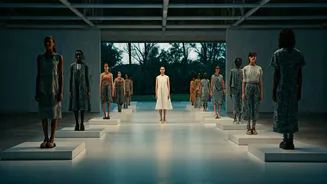



A New Creative Era
The fashion landscape underwent a notable transformation in 2025, driven by a confluence of influences. The relentless acceleration of technology and the
growing awareness of environmental concerns played a significant role in changing designers' approaches. Many embraced digital tools, virtual reality, and sustainable materials to push boundaries and create revolutionary designs. New designers and established brands alike experimented with fresh ideas. This shift was more than a passing trend; it laid the groundwork for a more inclusive, experimental, and responsible fashion industry. Designers were motivated to move beyond conventional aesthetics and explore new forms of self-expression, as the industry's landscape broadened.
Sustainability Takes Center Stage
Sustainability was a pivotal focus in 2025, driving substantial changes in the fashion industry. Brands and consumers both adopted more eco-conscious behaviors, leading to a rise in sustainable materials and manufacturing processes. Circular economy models, which emphasize reusing and recycling materials, gained prominence, influencing the design and distribution of fashion items. This move toward sustainability was not merely a trend but a fundamental reassessment of the industry's environmental impact, setting a precedent for future practices and consumer consciousness. The focus on minimizing waste and promoting ethical production represented a crucial step towards a more responsible and future-proof industry.
Redefining Consumer Habits
Consumer behavior underwent significant transformation in 2025, influenced by technological advancements and evolving values. Digital platforms played a crucial role in shaping purchasing choices and brand engagement. Consumers increasingly valued transparency, ethical sourcing, and personalized experiences, which led to the expansion of direct-to-consumer models and customized fashion. This new era of consumerism signaled a move from mass-produced trends to mindful consumption. It influenced the industry's direction. It prioritized quality, individual expression, and social consciousness, which shifted the focus to building long-term relationships and adapting to changing consumer requirements.
Technology and Fashion
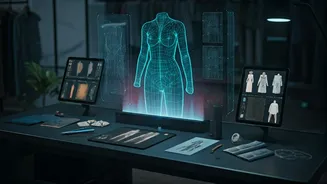
Technology profoundly reshaped the fashion industry in 2025, offering new possibilities for design, production, and consumer interaction. Virtual reality allowed designers to experiment with designs in three dimensions. Artificial intelligence enhanced the design process by identifying trends, optimizing production, and personalizing the customer experience. The rise of e-commerce continued to reshape the fashion retail landscape, emphasizing convenience and global reach. These advancements created new avenues for innovation, transforming how fashion was created, marketed, and experienced.
The Future of Fashion
The fashion industry in 2025 laid the foundations for a dynamic and adaptable future. A shift toward sustainability, creative innovation, and consumer-centric models indicated a new perspective. Designers and businesses who embraced these changes created a more resilient and responsible industry. The sector is poised to face new challenges and continue evolving. This period marked a transition to a more adaptable and forward-thinking industry.