








What Exactly Are Lab-Grown Diamonds?
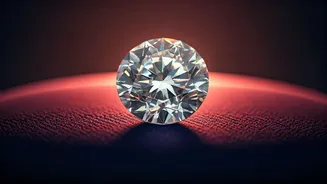
Lab-grown diamonds, also referred to as synthetic or cultured diamonds, are gemstones meticulously crafted within a laboratory setting. These marvels of
modern technology are produced by replicating the intense pressure and high temperature conditions found deep within the Earth, or by employing advanced chemical vapor deposition (CVD) techniques. These processes effectively mimic nature's billions-of-years-long journey in a significantly compressed timeframe, resulting in diamonds that are chemically and physically indistinguishable from their mined counterparts. They represent a scientific achievement, offering a controlled and efficient method to create these beautiful carbon crystals without relying on extensive geological processes.
Are They 'Real' Diamonds?
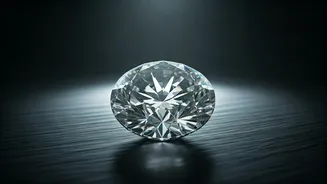
The answer is a resounding yes; lab-grown diamonds are unequivocally real diamonds. Their composition is pure carbon, arranged in the same crystal structure, giving them identical hardness, brilliance, and durability to diamonds mined from the Earth. The sole distinction lies in their genesis: one is a product of natural geological phenomena spanning eons, while the other is the result of human ingenuity realized in a matter of weeks or months. This difference in origin does not alter their fundamental nature as diamonds, possessing the same visual and material properties that have captivated humanity for centuries.
Origin vs. Properties: The Key Distinction
The fundamental divergence between lab-grown and natural diamonds rests solely on their origin. Natural diamonds are extracted from the Earth through mining, a process that can carry significant environmental burdens and raise ethical questions, particularly concerning conflict diamonds. In contrast, lab-grown diamonds emerge from controlled laboratory environments, presenting a more sustainable and ethically sound option. From a visual and physical standpoint, they are virtually identical; even experienced gemologists require specialized equipment to differentiate between them. This means consumers receive the same dazzling beauty and enduring quality, regardless of the diamond's origin.
Affordability and the Price Factor
A notable advantage of lab-grown diamonds is their generally more accessible price point compared to natural diamonds of equivalent size and quality. This economic difference stems directly from their production methods. The controlled environment of a laboratory bypasses the extensive costs associated with the mining industry, including exploration, extraction, and complex global supply chains. Consequently, lab-grown diamonds offer a way for consumers to acquire larger or higher-quality stones at a fraction of the price, making diamond jewelry more attainable for a broader audience.
Investment Potential: A Different Perspective
While beautiful and ethically produced, lab-grown diamonds are generally not considered a direct investment like traditional natural diamonds have been historically perceived. Their value is more closely tied to their production costs and current market demand, and they tend to experience depreciation over time. The conversation around lab-grown diamonds encourages a shift away from viewing jewelry solely as a financial instrument. Instead, they are presented as an opportunity for indulgence, self-expression, and everyday enjoyment, emphasizing their aesthetic and personal value over potential resale gains. The focus is on the joy they bring rather than a future financial return, moving away from the 'calculator' mindset of investment.
Ethical Considerations and Consumer Choices
Lab-grown diamonds are widely recognized for their superior ethical profile. The extraction of natural diamonds has historically been linked to environmental damage, hazardous working conditions, and the funding of conflicts, issues that are largely absent in the creation of lab-grown diamonds. Produced in controlled settings with minimized environmental impact and without any association with conflict, they offer a clear conscience for consumers. This ethical advantage, coupled with their beauty and affordability, positions them as a compelling choice for modern jewelry buyers prioritizing responsible sourcing and sustainability.
Evolving Consumer Priorities: Beyond Carat Size
Consumer preferences in the diamond market are undergoing a significant evolution. While the allure of larger stones at more attractive prices initially drove interest in lab-grown diamonds, the focus is now shifting. Buyers are increasingly prioritizing design, personal style, and the emotional connection to a piece of jewelry. Questions about wearability, practicality, and how a piece reflects individual identity are becoming more prominent. This signifies a move towards a more personalized approach to jewelry acquisition, where the intrinsic value of adornment and self-expression takes precedence over purely quantitative metrics like carat weight.
Understanding Value: Sentiment vs. Sparkle
When considering value, it's important to differentiate between sentimental and market value. A mined diamond, especially an heirloom, might carry profound sentimental or heritage value, passed down through generations. Conversely, a lab-grown diamond's meaning can be derived from its exquisite design, its suitability for everyday wear, and the sheer pleasure it provides to the wearer. The anxiety surrounding resale value often stems from treating jewelry strictly as a financial asset. For buyers who intend to wear and enjoy their jewelry, the primary value lies in the aesthetic and emotional fulfillment it offers, regardless of its future market price.