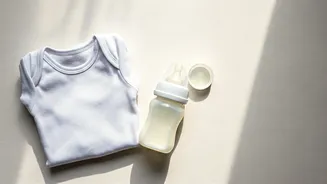







Smart Summer Wardrobe
Dressing your newborn for the Indian summer requires focusing on comfort and protection. Opt for lightweight, loose-fitting garments made from breathable
cotton fabrics. Avoid tight swaddling, as it can trap heat and cause discomfort. Prioritize clothes that fully cover your baby's limbs to protect them from mosquito bites. Consider long-sleeved shirts, pants, or full-length onesies. For added protection against insects, utilize mosquito nets over cribs and consider using repellent patches on your baby's clothing rather than applying repellents directly to their skin. The goal is to ensure your baby remains cool and shielded from pests without compromising on comfort.
Comfortable Ambient Temperature
Maintaining a comfortable environment for your baby is crucial during hot Indian summers. If you use an air conditioner, set the temperature to a minimum of 26°C to avoid drastic temperature changes that can shock your baby's system. When using a fan, ensure it's not directed straight at your baby, as a direct draft can cause discomfort or illness. Maximize natural ventilation by keeping windows open, but ensure they are fitted with fine mesh to prevent insects and mosquitoes from entering your home. A well-ventilated yet protected indoor space is key to your baby's well-being.
Hydration and Feeding
For breastfed newborns, breast milk provides all the necessary hydration they need, even during summer. The mother, however, must significantly increase her fluid intake during this season to ensure an adequate milk supply. You can gauge your baby's hydration by monitoring their urine output; at least 6-8 wet diapers in a 24-hour period indicate good hydration. If your baby is on expressed or formula milk, proper storage is vital. Expressed milk should be refrigerated and discarded if left at room temperature for more than 3 hours. Formula milk should not be reused or reheated, and any unused portion should be discarded within 2 hours of preparation.
Nurturing Delicate Skin
Daily oil massages can be beneficial for your baby's sleep and development, followed by a lukewarm or sponge bath. Pay close attention to skin folds in areas like the neck, underarms, and groin, as they can accumulate sweat and lead to rashes or fungal infections. Gently pat these areas dry regularly and promptly change wet diapers and clothing. Allowing your baby some diaper-free time during the day can also help prevent irritation. While wet wipes are convenient, frequent use can sometimes cause rashes; opting for a soft cotton cloth with running water is a gentler alternative. Avoid using talcum powder routinely, as it can pose respiratory risks and clog pores, especially when applied near the baby's face. If your baby feels warm and shows signs of fever, it could be due to dehydration. First, unwrap them if they are overclothed and offer a feed. If the fever persists, or if your baby is lethargic, irritable, hasn't urinated in over 6 hours, or refuses to feed, seek immediate paediatrician consultation.