


A Style Renaissance
The landscape of Indian menswear has undergone a dramatic metamorphosis, moving from a realm of predictable and often uninspired choices to one of vibrant
self-expression. For a significant period, men's fashion in India was characterized by a cautious approach, dominated by safe, conventional options. Formal wear typically meant a standard sherwani, donned more out of societal expectation than personal inclination. Style was frequently viewed as purely functional, lacking the flair and individuality seen in other areas of life. However, a palpable shift has occurred, ushering in an era where Indian men's fashion is not seeking approval but is confidently asserting itself. The current fashion scene is marked by richness, complexity, and a fearless embrace of personal taste, moving away from mere obligation towards genuine statement-making.
The Hybrid Aesthetic
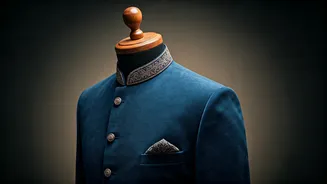
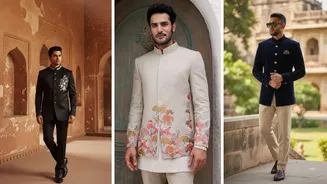
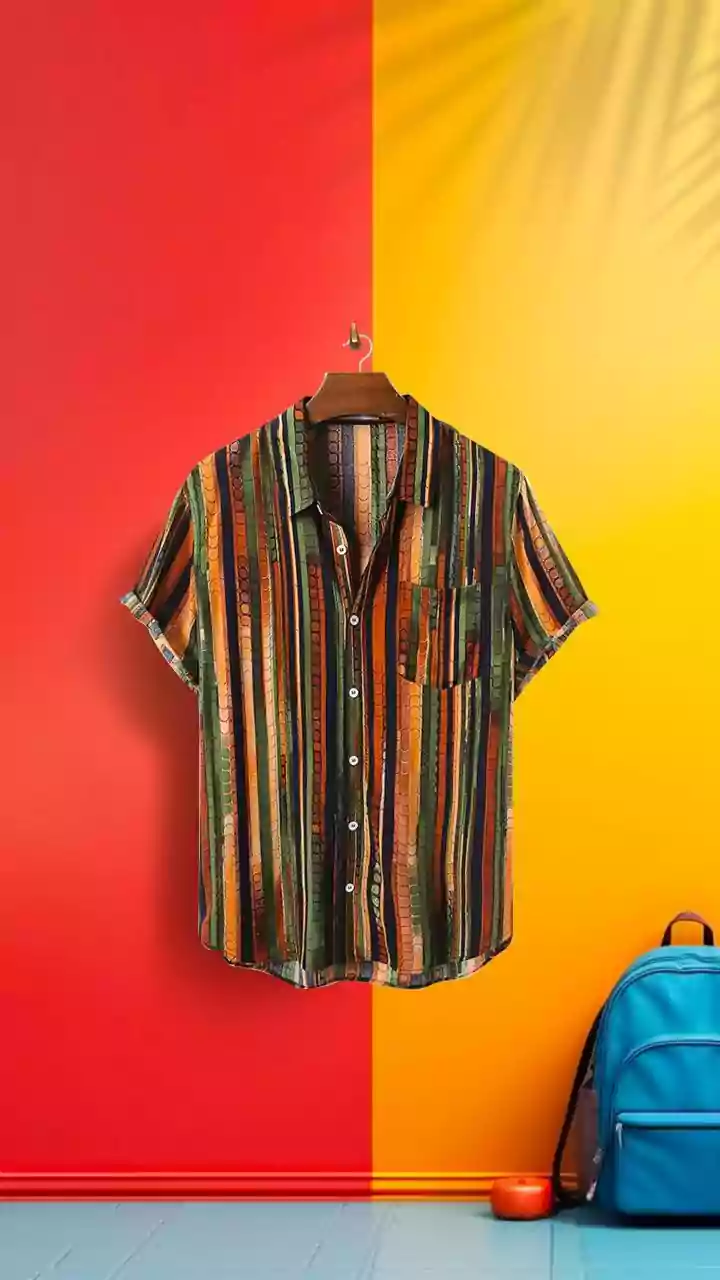
What defines this new wave of Indian menswear is not merely the garments themselves, but the innovative and unconventional ways they are styled. Today's Indian man embodies a 'hybrid' identity, masterfully combining seemingly disparate elements to craft unique looks. This approach is evident in the fusion of traditional attire, like a handwoven bandhgala jacket, with modern, casual footwear such as sneakers. Similarly, personal heirlooms, like a grandmother's antique brooch, are now integrated into everyday ensembles, adorning simple linen shirts. The kurta, once confined to cultural events, is now treated with the same casual flair as streetwear, while denim is incorporated with a sense of deliberate ritual. This fluidity extends to breaking down conventional gender boundaries and dissolving strict occasion-based dress codes. The very notion of 'Indian' fashion is no longer a restrictive category but a broad, fertile canvas for personal interpretation and creative exploration, showcasing a new definition of luxury that prioritizes personal expression over conformity.
Roots of the Shift
To truly appreciate the current dynamism in Indian menswear, it's essential to understand the period of stagnation that preceded it. Following India's economic liberalization in the 1990s, there was a significant influx of Western fashion influences, which led to a degree of aesthetic imitation. The Western suit became a widely adopted symbol of success and modernity, overshadowing traditional Indian attire. This resulted in Indian textiles and garments being largely relegated to special occasions like weddings and festivals, losing their relevance in daily wardrobes. In this rush to align with global trends, individual sartorial expression often took a backseat, leading Indian men to adopt a more conservative and less conspicuous style, possibly out of a fear of standing out or being overly scrutinized.
Drivers of Change
Several key factors have fueled the significant reversal and evolution in Indian menswear. A primary driver is the burgeoning economic confidence of a generation that is not only a consumer of global culture but also an active contributor to it. Increased digital connectivity has also played a crucial role; individuals in cities like Jaipur now possess the same level of visual awareness as their counterparts in Milan. Perhaps most importantly, there is a profound reawakening of identity and a desire to reclaim cultural heritage on contemporary terms, without being weighed down by rigid nostalgia. Globally, Indian men were often confined to narrow stereotypes – the tech professional, the elaborately dressed groom, or the ascetic in white. The modern Indian man, however, presents a far more nuanced picture, demonstrating an editorial understanding of style, proportion, and narrative, and feeling equally at ease in traditional drapes like the angarkha or in avant-garde, deconstructed tailoring. This shift is characterized by dressing for oneself, with an occasional nod to digital influence, rather than for external validation.
Influential Voices
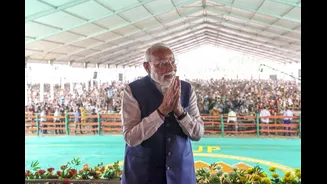
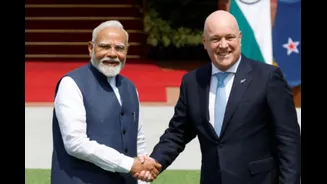
Beyond individual choices, influential figures and cultural tastemakers have subtly but powerfully shaped this sartorial revolution. When prominent leaders, such as Prime Minister Narendra Modi, have their fashion choices, like half-sleeve kurtas and deliberate color palettes, widely discussed, it signifies that menswear has entered mainstream public discourse. Clothing is no longer dismissed as superficial; it's recognized as a potent form of communication, conveying power, approachability, and intent. However, the most compelling agents of change are often not political or cinematic figures, but cultural innovators like stylists, designers, and young entrepreneurs. These individuals are actively reshaping fashion norms from within. Examples include designers whose work blends dramatic silhouettes with traditional Indian textiles, or brands that prioritize the artisanal process over conventional polish. This collective effort is redefining not just what men wear, but how clothing interacts with the diverse Indian male identity.
Body and Self-Expression
A radical renegotiation is also occurring concerning the perception and presentation of the Indian male body within fashion. The focus has shifted from conforming to clothes to having garments adapt to diverse body types, moods, and personal identities. What was once considered oversized is now intentionally styled for comfort and aesthetic impact. Jewellery, formerly seen as merely decorative, is now worn as a declarative statement of personal style and heritage. Skin is no longer something to be concealed but is integrated into the overall styling, becoming part of the fashion narrative. Perhaps the most significant transformation is the liberated allowance for men to genuinely enjoy fashion. There's a palpable sense of humor and playfulness in contemporary dressing, where getting ready is viewed as an act of storytelling and self-discovery rather than a rigid adherence to norms. This is visible in the growing popularity of thrift culture, the artful layering of high-end and affordable pieces, and an irreverent yet respectful approach to tradition, which is remixed rather than discarded. The Indian man has evolved from a passive wearer to an active curator of his own style.