



Defining Your Style
The first step in any style journey is self-discovery. Recognizing your personal style preferences is crucial. Ask yourself: what colors and silhouettes
do you genuinely enjoy wearing? What makes you feel comfortable and confident? Experiment with different styles, from minimalist to bohemian, to find what resonates with you. Look at the fashion icons that inspire you and analyze what elements of their style you admire. Consider the practical aspects of your lifestyle. Do you need outfits suitable for work, casual outings, or special events? Build your closet with clothes that represent your authentic style. This ensures that every outfit is a reflection of your personality and creates an enjoyable experience.
Building a Versatile Wardrobe
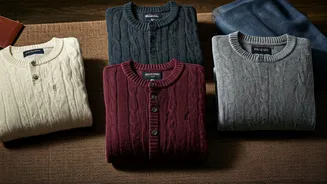
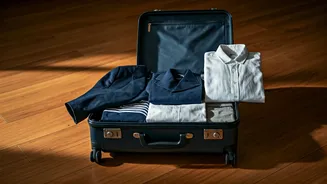
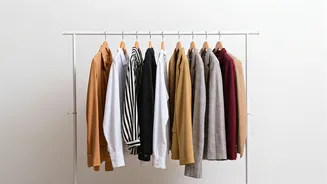
Building a versatile wardrobe starts with a foundation of essential pieces that can be mixed and matched. These are the building blocks of numerous outfits. Focus on key items like a well-fitting pair of jeans, a classic white shirt, a blazer, a neutral-colored skirt, and a versatile dress. These items can be styled up or down. Next, consider adding a selection of tops, bottoms, and outerwear in colors and patterns that complement your essential pieces. Think of clothing like individual pieces of a puzzle. Consider investing in quality over quantity. Choose items made from durable fabrics that withstand regular wear. Buying a few high-quality, timeless pieces is far more effective than an overflowing closet filled with fleeting trends. This strategy ensures you always have options, regardless of the occasion.
Accessorizing Smartly
Accessories are your secret weapon in elevating any outfit, allowing you to transform a simple look into something extraordinary. They're a fantastic way to add personality and make a statement. Experiment with different accessories to understand what works best for your style. A simple scarf can add a pop of color or a touch of elegance to a casual ensemble, while a statement necklace can dress up a basic top. Don't underestimate the power of belts, bags, and shoes. A carefully chosen belt can define your waist, a stylish bag can complete your outfit, and a pair of chic shoes can elevate your overall style. Keep your accessories in line with the pieces in your wardrobe. Consider color coordination and the overall aesthetic of each piece. The right accessories can truly amplify your confidence.
Color Coordination Techniques
Color plays a significant role in creating cohesive and visually appealing outfits. Understanding the basics of color coordination will help you create a wardrobe of versatile options. Start by identifying your base colors. Typically, neutral shades like black, white, gray, and navy serve as an excellent base for almost any outfit. These colors serve as a foundation upon which you can build the rest of your outfit. They make mixing and matching colors easier. Next, introduce accent colors, which are shades that provide a contrast or a complementary tone. These colors include reds, greens, yellows, and blues, which can be introduced through accessories, tops, or bottoms. Consider using the color wheel to your advantage. Complementary colors, those opposite each other on the wheel, create striking combinations, such as blue and orange. Harmonious colors, those next to each other, like green and blue, produce a seamless and calm effect. Always remember that confidence is the best accessory!
Embracing Fashion Trends
While a classic wardrobe is essential, keeping up with fashion trends can add a fresh and modern edge to your look. The key is to embrace trends selectively. Don’t feel pressured to adopt every passing style. Instead, identify trends that align with your personal style and complement your existing wardrobe. Consider how the trend can be incorporated into your life without requiring a complete overhaul of your closet. Start with accessories or smaller items that won’t break the bank. You could try adding a trending scarf, a new bag style, or a pair of fashionable shoes to introduce the latest trends. Keep an eye on the current fashion, follow your favorite style influencers, and pay attention to what's featured in magazines. Remember, the goal is to enhance your style, not to change your identity.
Seasonal Wardrobe Transitions
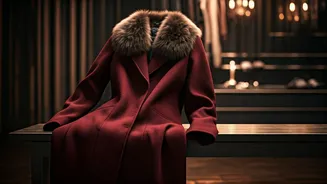
Seasonal wardrobe changes will ensure your clothing stays relevant and appropriate. Adapting your wardrobe to the seasons involves more than just changing the thickness of your clothing. It's about modifying your entire approach to dressing. As the seasons shift, organize your wardrobe accordingly. Store off-season clothes in a clean, accessible space, and bring out items appropriate for the current weather. Consider how seasonal changes affect the fabrics, colors, and styles you select. In summer, opt for lightweight, breathable fabrics and brighter colors, while winter calls for warm layers and heavier textiles. Pay attention to how the light changes during the year, which will greatly affect the clothes you wear. Your wardrobe should support your confidence through all the seasons.