





Foundational Nutrients
Maintaining optimal health as men enter their 30s often involves a proactive approach to nutrition, with certain supplements playing a supporting role.
Dr. Ramita Kaur, a nutritionist specializing in maternal and child health, has highlighted seven crucial supplements that can contribute to well-being in the decades to come. These are not intended as replacements for a balanced diet but rather as adjuncts to ensure adequate intake of essential micronutrients. The emphasis is on supporting bodily functions that may decline with age or be impacted by modern lifestyles. For instance, Omega-3 fatty acids are vital for cardiovascular health and brain function, and it's suggested that men consume between 250-500 mg of EPA and DHA combined, preferably with meals like breakfast or dinner to enhance absorption. Magnesium, essential for muscle and nerve function, is recommended at 400-420 mg daily, ideally taken in the evening to promote relaxation and sleep. This strategic intake of foundational nutrients aims to build a robust health framework for the future.
Gut Health and Immunity
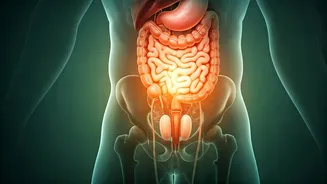
Beyond the widely recognized benefits of Omega-3 and Magnesium, supporting gut health and the immune system becomes increasingly important for men in their 30s. Dr. Kaur suggests incorporating probiotics, which are beneficial live microorganisms that can contribute to a healthy gut microbiome. The recommended dosage for probiotics ranges from 1 to 10 billion Colony Forming Units (CFU), and it's advised to take them on an empty stomach to maximize their efficacy. Furthermore, Vitamin D3 is crucial for immune function, bone health, and mood regulation. The suggested intake for Vitamin D3 is 600-800 mg, and it's best consumed with healthy fats, such as milk, to improve absorption. These specific recommendations aim to bolster the body's defenses and ensure smooth internal operations, laying the groundwork for sustained health and vitality.
Antioxidants and Energy
As men progress through their 30s, incorporating antioxidants and nutrients that support energy metabolism can be beneficial for long-term health. Curcumin, the active compound in turmeric, is renowned for its potent anti-inflammatory and antioxidant properties. Dr. Kaur suggests a dosage of 500-1000 mg of Curcumin, ideally consumed with healthy fats, similar to Vitamin D3, to enhance its bioavailability. Alongside this, Zinc is vital for immune function, wound healing, and cell growth, with a recommended daily intake of 11 mg. It's advised to take Zinc at least one hour before or two hours after meals to avoid potential stomach upset. Lastly, Coenzyme Q10 (CoQ10) plays a critical role in cellular energy production and acts as an antioxidant. The recommended dosage for CoQ10 is 100-200 mg, and it's best taken with healthy fats, such as milk, at night to support energy levels and cellular repair during sleep. These supplements collectively contribute to combating oxidative stress and maintaining cellular vitality.
Expert Perspectives
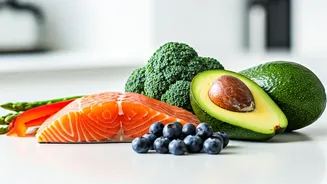
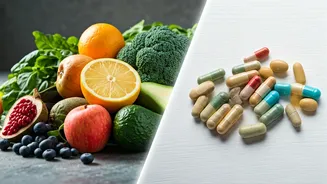
While specific supplements can offer targeted benefits, it's crucial to understand that a one-size-fits-all approach to supplementation is generally not advised. Edwina Raj, Head of Services for Clinical Nutrition and Dietetics at Aster CMI Hospital, Bangalore, emphasizes that a healthy diet and regular exercise should always be the primary focus. The necessity of supplements should be determined on an individual basis, often through assessment by a registered dietitian or doctor. These professionals can identify nutrient deficiencies, analyze symptoms, or conduct biochemical tests to ascertain whether supplementation is truly needed. Unsolicited advice on supplements without clear guidance on duration is strongly discouraged by qualified health professionals. Edwina also points out that many of these nutrients, such as fiber, magnesium, and omega-3 fatty acids, can be naturally obtained from foods like nuts, oilseeds, fish, and fermented products, while a variety of fruits and vegetables can naturally enhance gut health. Avoiding processed foods is key to reducing inflammation. She further cautions that supplements, if not of good quality or taken in excess, can pose risks, such as mercury toxicity from poor omega-3 supplements or bloating from high probiotic doses. Therefore, consulting with healthcare professionals for evidence-based guidance is paramount before starting any supplementation regimen.