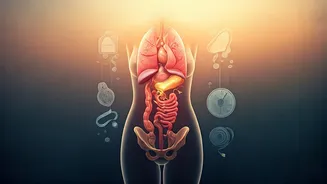







Gendered Fitness Realities
It's crucial to acknowledge that many popular fitness and diet strategies are designed with male physiology in mind. Women's bodies, however, process energy,
manage stress, and regulate hormones in fundamentally different ways. This disparity means that approaches that may be effective or even harmless for men can lead to adverse effects for women. Understanding these biological differences is the first step towards adopting a healthier, more personalized approach to nutrition and exercise that truly supports a woman's body, rather than working against it. This nuanced perspective is essential for achieving sustainable health outcomes without compromising well-being.
Fasting Pitfalls for Women
Popularized for its potential benefits, intermittent fasting can pose significant risks for women. Extended fasting periods, often exceeding 12-14 hours, can disrupt hormonal equilibrium, elevate cortisol (the stress hormone), lead to acidity, and cause blood sugar fluctuations. These imbalances can manifest as menstrual irregularities and increased hunger later in the day. For women, adhering to shorter fasting windows, ideally between 12 to 14 hours, is generally recommended to mitigate these negative effects. This approach aims to support hormonal stability and overall health, acknowledging the unique metabolic needs of the female body compared to males, who may tolerate longer fasting periods more effectively.
The Danger of Restriction
Extreme calorie restriction is another dietary trend that warrants caution, particularly for women. Unlike men, whose higher muscle mass and basal metabolic rates allow for greater tolerance to energy deficits, women's bodies are more sensitive to severe food limitations. This sensitivity stems from the body's natural drive to protect reproductive functions and maintain hormonal balance. Consequently, a drastic reduction in caloric intake can interfere with these vital processes. Nutritionists suggest that a moderate calorie deficit, around 20 percent of total daily energy expenditure, is more appropriate and sustainable for women, safeguarding their hormonal health and fertility.
Low-Carb Diet Concerns
While low-carbohydrate diets have gained popularity, they can present specific challenges for women. For some, significantly reducing carb intake may lead to a slowdown in thyroid function, a decrease in progesterone levels, sleep disturbances, and shifts in mood. These side effects highlight a potential difference in how women's bodies respond to severely restricted carbohydrate intake compared to men, who often tolerate such diets with fewer adverse effects. Maintaining a balanced intake of carbohydrates is often more conducive to a woman's hormonal and neurological well-being.
Training on Empty
The practice of exercising in a fasted state, frequently promoted within male-dominated fitness circles, can be detrimental for many women. Engaging in intense physical activity without prior fuel can elevate cortisol levels, diminish workout performance, and potentially lead to increased muscle breakdown. To optimize energy and minimize negative physiological responses, women often benefit from consuming a small meal before their workouts. This pre-exercise snack should ideally comprise a combination of protein and carbohydrates, or simpler options like a banana with almonds, ensuring adequate energy without compromising hormonal balance.
Protein: A Female Necessity
There's often an underemphasis on protein intake for women, with a focus instead on calorie reduction. However, adequate protein is essential for maintaining muscle mass, supporting hormonal health, and ensuring the vitality of skin and hair. Many women can significantly improve their body composition and overall health by increasing their protein intake rather than by severely limiting their overall food consumption. Prioritizing sufficient protein supports crucial bodily functions and aids in achieving fitness goals more effectively and healthily.