






The Great Spice Migration
Rishab Rikhiram Sharma's experience of a decade in the US highlights a common phenomenon: moving away from the intensely spiced traditional Indian diet
often leads to a diminished capacity for heat. American cuisine, generally perceived as milder, can gradually retrain the palate, making formerly enjoyable spice levels feel overwhelming. This adaptation isn't just a matter of preference; it's often tied to our body's responses. Sharma himself notes this shift, humorously observing that his tolerance has decreased significantly. He even makes an interesting observation about general spice tolerance tendencies, suggesting women might often have a higher threshold, although this isn't a universal truth. The core idea is that consistent consumption of less spicy foods remodels our sensory and digestive engagement with spices over time.
Aging Palates and Digestion
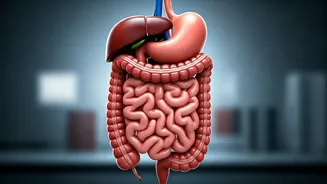
As individuals mature, their digestive systems may undergo subtle changes that impact food tolerance. Dr. Vinodha Kumary explains that the efficiency of digestion can decrease with age, leading to a slower processing of foods that are heavy, spicy, or fried. This means that what was once easily handled might now cause discomfort. Coupled with a potentially slower metabolism, the body finds it harder to break down rich and fatty ingredients efficiently. Dr. Sangeeta Tiwari elaborates that this can result in feelings of bloating and general digestive unease, naturally guiding people towards lighter, more digestible meals. It's a gradual recalibration of what the body can comfortably handle, influencing dietary choices towards gentler options.
Sensitivities and Hormonal Shifts
Beyond general aging, specific sensitivities can emerge or become more pronounced. Dr. Kumary points out that individuals with pre-existing digestive conditions like Irritable Bowel Syndrome (IBS) or gastritis might find spicy, greasy, and fried foods particularly problematic. These foods can exacerbate symptoms, leading to flare-ups and discomfort. Furthermore, hormonal fluctuations play a significant role, especially for women navigating menopause. Dr. Tiwari highlights how changes in estrogen levels can influence taste perception, appetite regulation, and overall digestive function. This can make certain foods, particularly those with intense flavours or textures, less appealing or harder for the body to process effectively.
The Nuance of Spice
It's crucial to distinguish between 'spiced' and 'overly spicy.' Fitness expert and dietitian Garima Goyal emphasizes that not everyone can tolerate excessive spice, especially those prone to issues like acid reflux, gastritis, IBS, or hemorrhoids. For these individuals, intense spices can irritate the gastrointestinal lining, triggering heartburn or worsening existing discomfort. However, traditional Indian cooking often masterfully blends spices not just for heat but for their digestive and balancing properties. When Indian vegetarian meals are prepared with mindful oil usage, adequate fibre, and moderate spice levels, they can be both gut-friendly and nutrient-rich, showcasing the potential for wholesome, flavourful, and digestible food.
Gut Health is Key
Ultimately, the body's ability to tolerate spice is significantly influenced by its overall gut health. If the digestive system is robust and functioning well, many individuals can adapt and tolerate spices effectively. Dietitian Garima Goyal suggests that the focus should always be on the holistic quality of the meal rather than solely on the presence of chillies. This involves considering portion control, an individual's specific digestive tolerance, and the overall balance of nutrients. Wholesome and nourishing vegetarian food, whether spicy or not, can be achieved through careful preparation. The ultimate goal is a balanced diet that supports well-being, where the level of spice is just one factor among many.