





The Pink Culprit Revealed
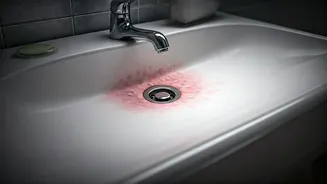
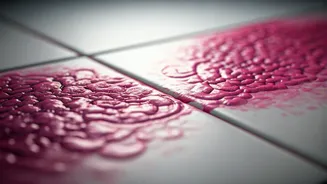
Those persistent pinkish streaks and patches that tend to reappear in your bathroom aren't what they seem. Contrary to their common name, 'pink mould,'
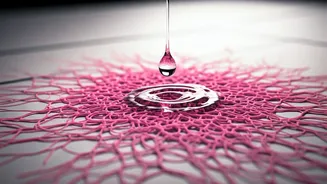
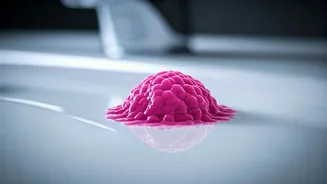
these are not a fungal growth at all. Instead, they are colonies of a bacteria known as Serratia marcescens. This microorganism thrives in damp environments, feeding off the residue left behind by soap, shampoo, and other toiletries that accumulate in areas like sinks, showers, and along grout lines. These moist conditions, often found around faucets, drains, and shower walls, create an ideal breeding ground for Serratia marcescens. While typically harmless to individuals with robust immune systems, this bacteria can pose a potential health concern for those with compromised immunity, potentially leading to rare respiratory or urinary tract infections. Therefore, addressing these pink stains is more than just an aesthetic concern; it's also a matter of maintaining a healthier living space.
Why It Keeps Returning
The stubborn nature of these pink bacterial growths is largely due to our cleaning habits and the environment they inhabit. Even after a thorough scrub, a microscopic film of soap scum and organic matter can remain on surfaces. When combined with the ever-present moisture in bathrooms, this residue acts as a food source, allowing the Serratia marcescens bacteria to quickly repopulate. This phenomenon is explained by scientific research into microbial biofilms, which are thin, protective layers of bacteria that adhere firmly to surfaces. These biofilms are not easily removed by a quick wipe or rinse, hence the frequent return of the pink stains. Without consistently removing the food source and eliminating moisture, the bacteria simply re-establish themselves, leading to a frustrating cycle of cleaning and reappearance.
Effective Cleaning Solutions
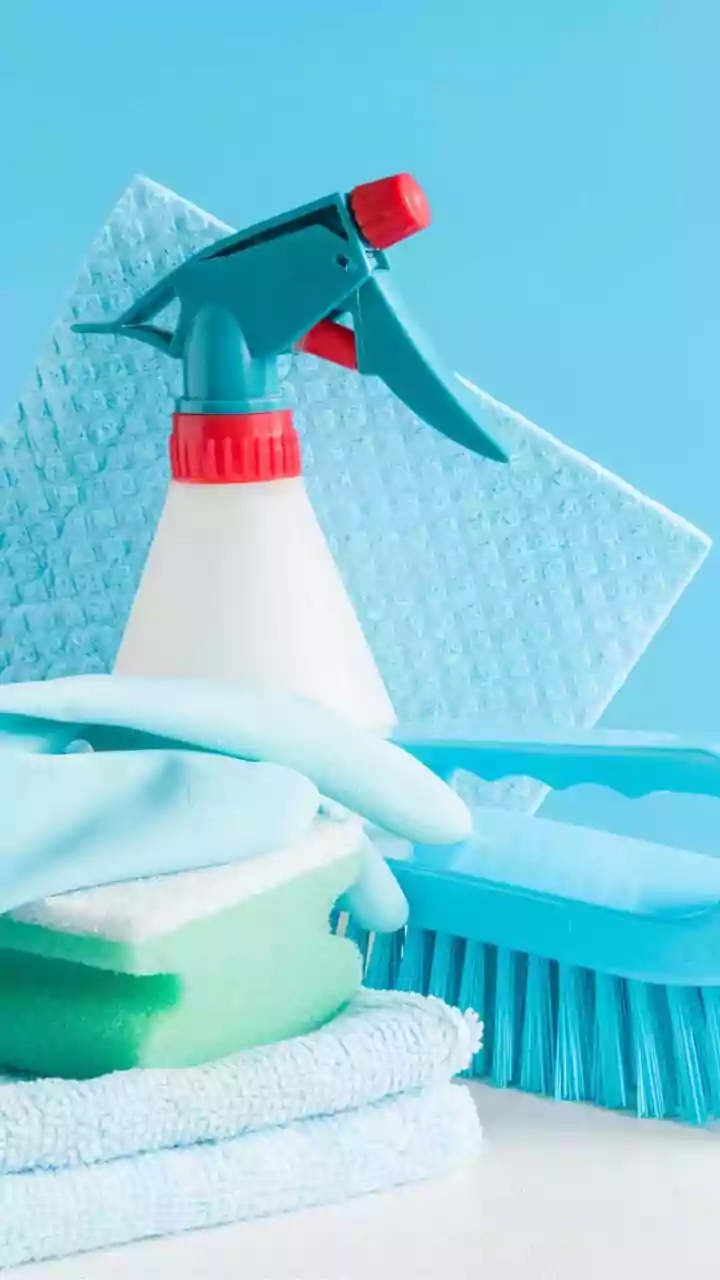
Fortunately, combating these bacterial invaders doesn't require specialized or expensive cleaning products. Simple, readily available household items can be incredibly effective. A mixture of white vinegar and water, when sprayed onto the affected areas and allowed to sit for a period, can help loosen the bacterial film. Scrubbing with an old toothbrush or a stiff brush is ideal for reaching into grout lines and crevices. For tougher stains, a paste made from baking soda and a small amount of dish soap can be a powerful cleaner. This combination works to lift and break down the residue without damaging bathroom surfaces. Crucially, patience during the cleaning process is key; rushing can leave behind remnants that allow the bacteria to return. After cleaning, ensuring the area is thoroughly dried is paramount.
Prevention is Key
Beyond cleaning, establishing a routine that prioritizes dryness and regular upkeep is essential for preventing the return of pink bacterial stains. After using the sink or shower, take a moment to wipe down wet surfaces with a towel or squeegee. Improving ventilation by opening windows or using exhaust fans helps to dissipate moisture quickly, creating an environment less conducive to bacterial growth. Regular, consistent cleaning is far more effective than periodic deep cleans. Focus on areas that are prone to water accumulation, such as around soap dispensers, the base of faucets, and shower curtain edges. By addressing these spots proactively and frequently, you prevent the bacteria from establishing a foothold in the first place. This shift from reactive cleaning to proactive maintenance makes keeping your bathroom perpetually clean a far less daunting task.