



The Venus Flytrap
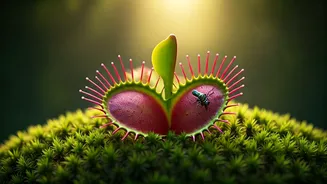
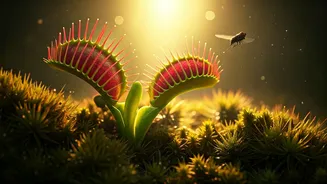
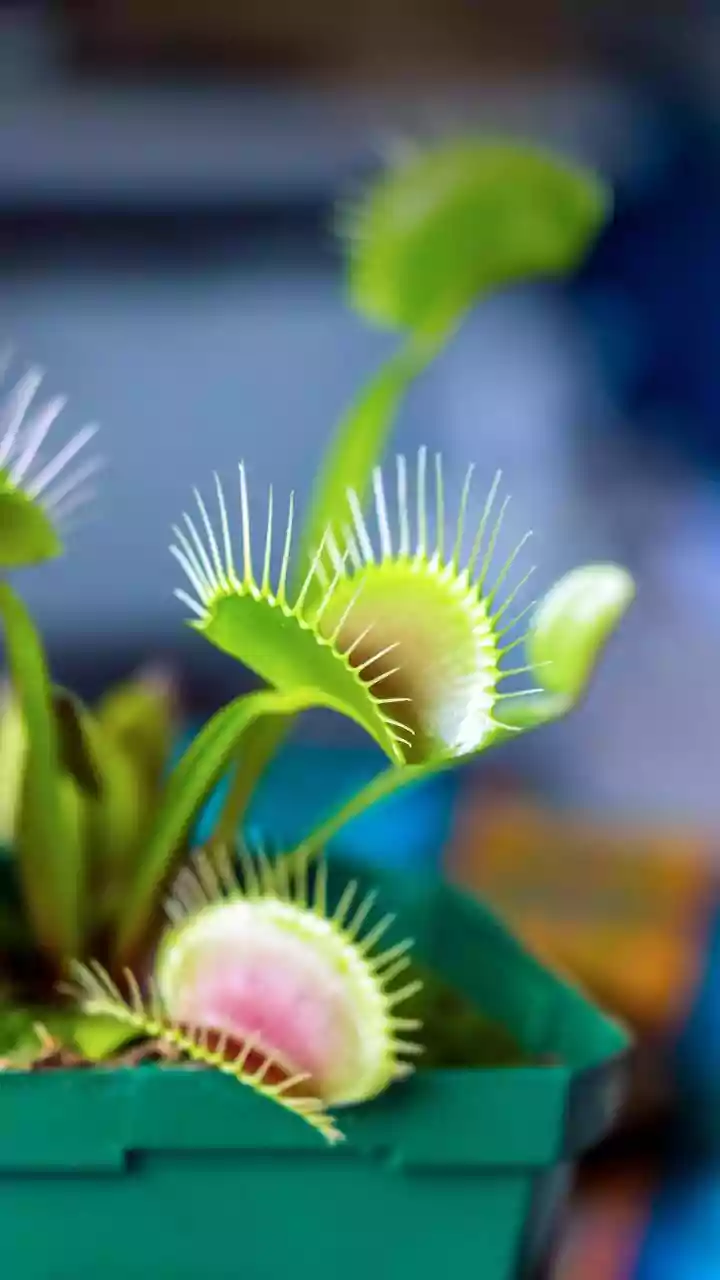
The iconic Venus flytrap stands as the most recognized carnivorous plant, employing a remarkable snap-trap mechanism. Its specialized leaf blades are equipped
with sensitive trigger hairs; the slightest touch by an unsuspecting insect initiates a rapid closure, effectively ensnaring its prey. While primarily feeding on insects, this fascinating plant has been known to occasionally capture other minute creatures, showcasing its predatory versatility. This ingenious design allows it to supplement its nutrient intake in environments where soil fertility is limited, a testament to nature's innovative survival strategies.
The Pitcher Plant
Pitcher plants, members of the Nepenthes family and others, employ elegant pitfall traps. Their leaves are transformed into deep, pitcher-like structures filled with digestive fluids. Insects are enticed by sweet nectar secreted around the rim, only to lose their footing and slip into the liquid, where they drown. The plant then absorbs nutrients from the dissolved prey. Some of the larger species, particularly within the Nepenthes genus, are capable of trapping more than just insects, sometimes ensnaring small rodents and other diminutive animals, demonstrating an impressive predatory range.
The Sundew
Sundews present a visually striking method of insect capture, with their leaves adorned by numerous glandular tentacles that glisten like dew drops. These sticky secretions act as an irresistible lure for insects, which become firmly adhered upon contact. The plant then slowly curls its leaves inward, enveloping the trapped insect. Subsequently, digestive enzymes are released to break down the prey, allowing the sundew to absorb essential nutrients. These plants are commonly found in boggy areas and acidic soils, environments that typically lack the necessary nutrients for robust plant growth.
The Bladderwort
Bladderworts are exceptionally quick, aquatic or terrestrial carnivorous plants that utilize a unique suction trap system. They possess minute, hollow bladders that create a vacuum. When small aquatic organisms, such as insect larvae or water fleas, brush against trigger hairs near the bladder's opening, the door is instantly pulled inward, sucking the prey into the bladder. This rapid action makes bladderworts highly effective predators in watery habitats and damp soils, capturing even the most elusive of tiny creatures with remarkable speed and efficiency.
The Butterwort
Butterworts, characterized by their soft, broad leaves, employ a sticky flypaper trap. The surface of these leaves is covered in tiny glands that exude a viscous mucilage, effectively trapping small flying insects like gnats and fruit flies that land on them. Once an insect is caught, the leaf edges may curl slightly, and digestive enzymes are secreted to break down the prey. These delicate plants typically inhabit moist environments where their small size and sticky traps allow them to efficiently capture the small insects prevalent in such areas.
The Cobra Lily
The Cobra Lily, also known as the California pitcher plant, possesses a distinctive hooded shape that remarkably resembles the head of a raised cobra. Insects are lured into the opening of this unique pitcher, often by alluring scents or colors. Once inside, they find themselves in a slippery interior, making escape extremely difficult. This fascinating plant thrives in the marshy regions of northern California and southern Oregon, showcasing a specialized adaptation for nutrient acquisition in its native boggy habitat.
The Waterwheel Plant
The Waterwheel Plant is a rare and endangered aquatic carnivorous species that exhibits an ingenious trap design. It features a whorl of modified leaves that float on the water's surface, each equipped with tiny, hinged traps. When small aquatic prey, such as mosquito larvae, encounter these traps, they are rapidly sprung shut, capturing the organism. Its free-floating nature allows it to drift with water currents, ensuring a continuous supply of potential prey. This plant exemplifies the diverse and innovative evolutionary paths taken by carnivorous flora.