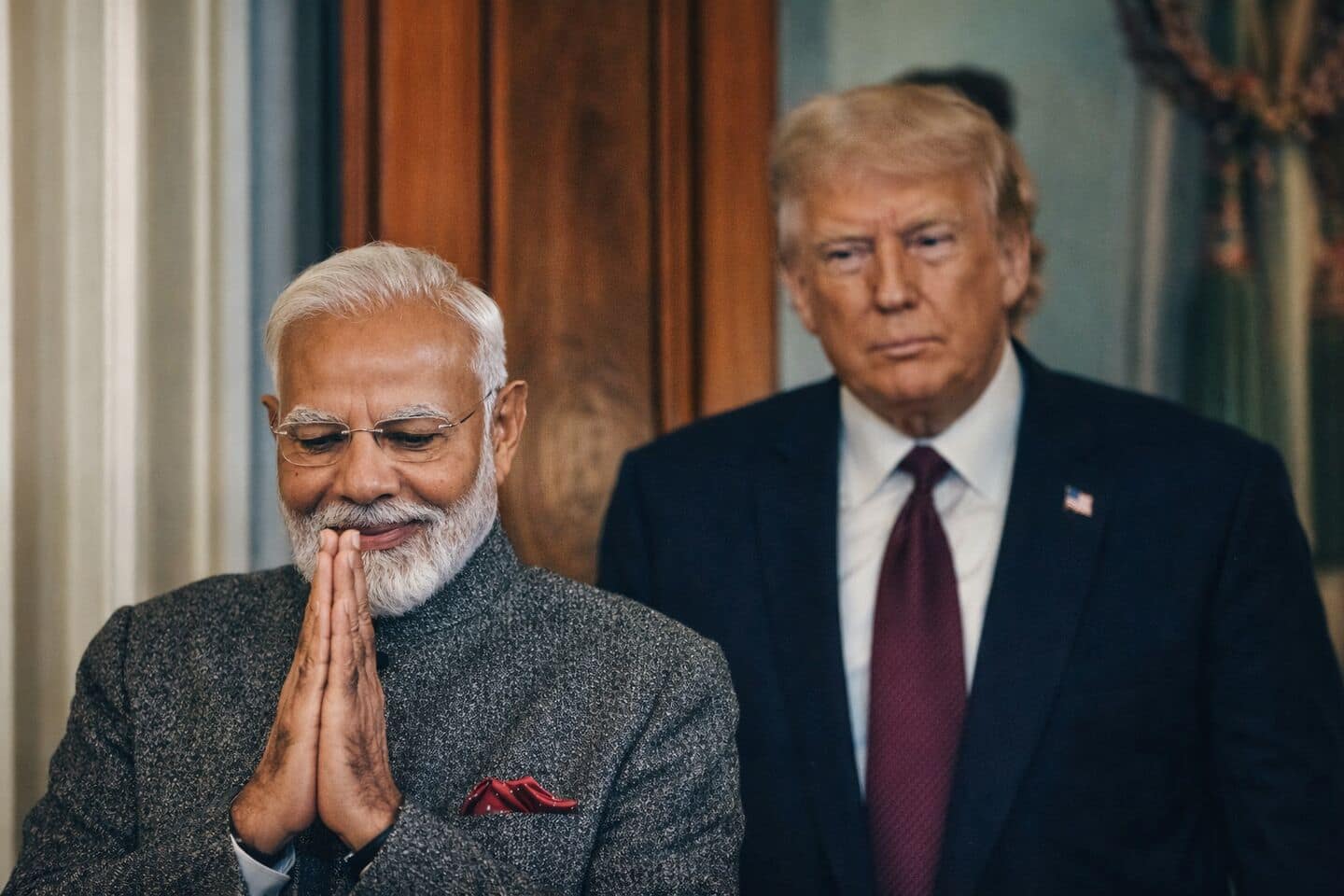









Tariffs: Global Impact
Tariffs, essentially taxes on imported goods, act as significant players in global trade and can reshape international financial dynamics. When the US,
a major economic power, modifies its tariff policies, the repercussions can be felt across the globe. Changes in US tariffs have historically triggered market volatility, currency fluctuations, and shifts in investment patterns, affecting the economies of nations that trade with the US. For India, a country with substantial trade relationships with the United States, understanding these changes and their potential effects is vital for both investors and policymakers. Decisions made regarding tariffs often influence the competitiveness of Indian exports, potentially altering the profitability of Indian companies that engage in international trade. Moreover, fluctuations in the value of the Indian rupee, which can be influenced by tariff decisions, can impact everything from the cost of imports to the returns on investments in the Indian stock market. Consequently, the US Supreme Court's verdict carries more weight than just a domestic legal matter; it's a critical factor with the power to influence trade, investments, and economic stability in India.
Market Reactions: Potential
The Indian stock market's reaction to the US Supreme Court's decision on tariffs would likely be determined by several key factors. First, investors would closely watch how the ruling affects specific sectors heavily involved in US trade. Sectors such as pharmaceuticals, IT services, and textiles, which have significant exposure to the US market, could be the most sensitive to any tariff adjustments. Positive developments, such as a reduction in tariffs, could stimulate bullish sentiment, while adverse changes might trigger a sell-off. Second, the broader market outlook, including overall economic conditions and global trade sentiment, will influence investors' responses. If the ruling aligns with a positive global economic forecast, the impact may be muted, with investors more likely to stay positive. Conversely, in periods of heightened economic uncertainty, the tariff decision could worsen market volatility, prompting risk aversion. Finally, currency fluctuations play a pivotal role. The strength or weakness of the Indian rupee against the US dollar could affect the profitability of Indian companies trading with the US, thereby influencing market behavior. For Indian investors, carefully observing these factors will be crucial for navigating the market in the aftermath of the US Supreme Court's tariff ruling.
Sectoral Impact: Insights
The effects of the US Supreme Court's decision on tariffs would not be evenly distributed across all sectors in the Indian stock market. The sectors with the closest ties to US trade would likely feel the most immediate impact. For instance, the pharmaceutical industry, heavily dependent on exports to the US, could face significant changes in profitability depending on adjustments to drug import tariffs. IT services, which derive a substantial portion of their revenue from US clients, might experience fluctuations tied to shifts in the cost of providing services or changes in outsourcing demand. The textile industry, a significant exporter of clothing and fabrics to the US, could also witness considerable shifts in competitiveness. Each of these sectors requires a different degree of monitoring. In sectors less involved in direct trade with the US, like the Indian financial industry, the impact would be more indirect. Market sentiment, influenced by the wider economic implications of tariff decisions, would be a key element. Understanding the specific risks and opportunities that arise within these sectors will be vital for investors to make well-informed decisions.
Investor Strategies: Adapt
In light of the US Supreme Court's decision on tariffs, Indian investors should consider different strategic approaches to manage their portfolios. One essential element involves analyzing the risk profile of individual stocks and sectors. Investors should assess the exposure to US tariffs and the likely impact on earnings and growth. Diversification is another key tactic. Spreading investments across various sectors and asset classes could mitigate the impact of market volatility driven by tariff changes. Monitoring currency fluctuations is also vital. Investors can consider hedging strategies to protect against the adverse effects of exchange rate volatility, especially if the Indian rupee is anticipated to fluctuate significantly against the US dollar. Keeping abreast of trade policy changes and market updates is also crucial. Investors need to stay informed about announcements, legal interpretations, and global economic data that could affect investment strategies. Engaging with financial advisors who possess specialized knowledge of international trade dynamics can provide valuable insights and guidance, supporting investors in navigating the evolving landscape.
Long-Term Market Outlook
Looking ahead, the US Supreme Court's tariff decision may have wider ramifications for the Indian stock market's long-term trajectory. Beyond immediate reactions, the ruling's effect on trade relations between the US and India can shape the investment climate. Any policy adjustments that encourage or impede trade flows could redefine the outlook for export-oriented sectors and foreign direct investment. Furthermore, the decision might influence the Reserve Bank of India’s monetary policy decisions. The central bank may consider the impact of tariff decisions on inflation and economic growth when deciding interest rates and other monetary tools. The long-term implications also extend to the overall economic relationship between the US and India. A more stable trade environment can lead to stronger partnerships and increased business opportunities, which would support long-term investment. Conversely, trade disputes or disruptions could slow economic development, impacting investor confidence. Therefore, understanding the broader context of the tariff decision and its influence on trade relations, monetary policy, and overall economic cooperation is necessary to assess its long-term impact on the Indian stock market.