





Core Distinctions Defined
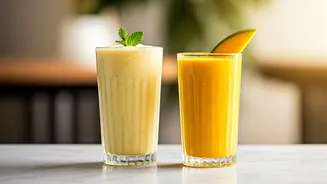
Mango shake and aamras, while both celebrating the king of fruits, present vastly different experiences. A mango shake is typically a smooth, creamy beverage
concocted from ripe mangoes, milk, and a touch of sugar, often chilled for refreshment. It can be enhanced with additions like ice cream or nuts for a richer profile. Aamras, conversely, is a thick, concentrated mango pulp. Its essence lies in preserving the natural sweetness and pure flavor of the mango, usually prepared with minimal or no additional ingredients, save for occasional hints of cardamom or saffron for aromatic depth. This fundamental difference in composition leads to a divergence in their taste, texture, and how they are best enjoyed, making them distinct entities in the realm of mango-based treats.
Preparation and Ingredients
The creation of a mango shake involves a straightforward blend: ripe mangoes are pureed and combined with milk and a sweetener, resulting in a lighter, drinkable consistency. For added indulgence, elements like ice cream or chopped nuts might be incorporated, transforming it into a more decadent dessert-like beverage. Aamras, on the other hand, champions simplicity. The primary step is extracting the luscious pulp from ripe mangoes. Unlike the shake, milk is notably absent in traditional aamras. The focus is purely on intensifying the natural mango flavor, perhaps with a subtle addition of spices like cardamom or a strand of saffron to elevate its aroma without masking the fruit's inherent taste. This minimalist approach ensures a more intense, fruit-forward experience.
Nutritional Footprints
Both mango shake and aamras benefit from the inherent goodness of mangoes, which are rich in vitamins A and C, as well as beneficial antioxidants. However, their nutritional values diverge due to their distinct ingredient lists. A mango shake, by virtue of its milk and sugar content, tends to be higher in calories and fat. This composition can make it a filling option and a quick energy booster, but it may not be ideal for those mindful of their sugar and fat intake. Aamras, when prepared purely with mango pulp, offers a more natural sugar profile and typically contains no added fat, making it a healthier choice for purists. Its nutritional benefits are primarily derived directly from the fruit itself.
Cultural Roots and Modern Appeal
Aamras boasts a deep-seated cultural significance, particularly prevalent in regions like Gujarat and Maharashtra, where it's a cherished summer delicacy, often served alongside puri. Its preparation is intrinsically linked to the mango season and traditional Indian meals. In contrast, the mango shake is a more contemporary creation, its popularity surging in urban settings. You'll readily find it offered in cafes, juice bars, and prepared at home, reflecting its status as a modern, accessible, and widely loved beverage. While aamras is steeped in tradition, the mango shake represents a more recent, globalized adaptation of enjoying mangoes.
Taste, Texture, and Serving
The sensory experience of a mango shake is characterized by its velvety smoothness and creamy texture, designed to be sipped as a cool, refreshing drink. The milk introduces a subtle richness that complements the mango. Aamras presents a starkly different profile: it's dense, thick, and possesses an intensely concentrated mango flavor that is truly potent. It's typically served in a bowl or as part of a meal, intended to be savored with a spoon. While the mango shake is a lighter, liquid refreshment, aamras is a more substantial, fruit-centric dish. Ultimately, the choice between them hinges on whether one desires a cool, creamy beverage or a rich, unadulterated taste of pure mango.