






Digital Records vs. Physical Checks
Maharashtra's education department has initiated a fresh physical verification process for student enrollments in government schools, targeting specific
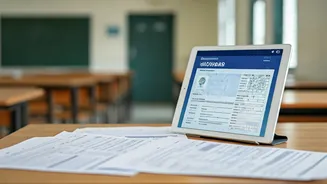
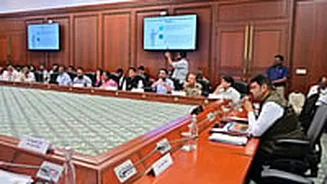
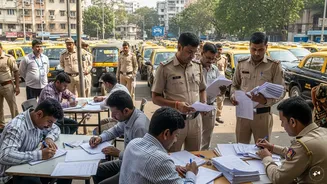
grades including Class 1, 2, 8, 9, and 11. This move is aimed at ensuring that reported enrollment figures accurately reflect actual student attendance. The primary objective behind this physical audit is to identify and weed out any fraudulent entries, thereby preventing the misappropriation of government funds allocated for essential programs like the midday meal scheme and uniform distribution. However, this directive has met with significant criticism from educators across the state. They argue that the exercise appears redundant given that over 95% of student records are already securely linked to Aadhaar numbers through centralized digital systems like the SARAL portal. This existing digital infrastructure, they contend, should suffice for verification purposes, making a physical audit an unnecessary duplication of effort and a potential drain on already stretched resources, especially during crucial academic periods like assessments.
Educators' Concerns Mount
Educators and school administrators in Maharashtra are vocally questioning the rationale behind the state's recent order for a physical student enrollment audit. The Maharashtra School Principals’ Association, through representatives like Mahendra Ganpule, has highlighted the pre-existing robustness of their digital record-keeping. Ganpule pointed out that nearly all students in government schools have their details authenticated and linked to Aadhaar on the education department's SARAL portal. Furthermore, he mentioned that the Sanch-Manyata process, which finalizes teacher positions based on actual student numbers, has already been completed. This makes the initiation of a new, physical verification process particularly confusing and seemingly without a clear purpose. Teachers suggest that if any validation is truly needed, it should be narrowly focused on the minimal percentage of students whose Aadhaar validation remains incomplete, rather than a wholesale physical check of all enrollments.
Class 11 Admissions Scrutinized
The mandate for physical student enrollment verification also extends to Class 11 admissions, a move that has drawn specific criticism from junior college educators. Mukund Aandhalkar, General Secretary of the Maharashtra Junior College Teachers’ Association, has formally communicated these concerns to the Director of Education. He emphasizes that Class 11 admissions are managed through a centralized system overseen by the state government. Consequently, student enrollment data is already accurately recorded and used to determine student strength. Aandhalkar argues that the purpose of conducting a physical verification for this cohort is unclear and appears entirely unnecessary. This is especially true given that many junior colleges are either in the midst of their final examinations or have already concluded them, with Class 11 students potentially being on summer break. The timing and scope of this physical check in the context of the established centralized admission process are therefore deemed illogical and inefficient by college authorities.