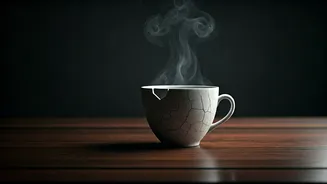







The Death of Repair Attempts
Healthy relationships thrive on the ability to de-escalate conflict through 'repair attempts.' These can be as simple as a lighthearted joke, a comforting
touch, or a suggestion to pause. In robust partnerships, these efforts are recognized and accepted, allowing tensions to subside and preventing minor disagreements from escalating into major fractures. However, in a struggling marriage, these vital lifelines are often ignored or met with hostility. When a partner consistently dismisses or rejects attempts at reconciliation, it’s akin to letting every small bump in the road cause irreparable damage to the relationship's foundation. This inability to mend, even with overt gestures, signals a critical breakdown in connection and a likely path towards separation.
Contempt: The Ultimate Killer
While frustration is a natural part of any relationship, contempt represents a far more destructive force. It's characterized by an attitude of superiority and disdain, actively eroding the respect that binds a couple. Instead of criticizing a specific action, contempt attacks the very essence of a person's character, using sneers, mocking tones, or dismissive eye-rolls. For instance, saying 'You forgot the milk' is a criticism, whereas 'You're completely incompetent' is an attack of contempt. When one partner develops a deep-seated belief that they are inherently better or more intelligent than the other, the fundamental admiration necessary for a lasting partnership simply ceases to exist, paving the way for profound disconnection.
Physiological Flooding Explained
Imagine discussing weekend plans, only to find your heart pounding and your breath catching in your throat. This overwhelming physiological response is known as 'flooding.' When a partner's negativity becomes a constant, relentless barrage, the nervous system can misinterpret the verbal assault as a genuine physical threat. This triggers a surge of adrenaline, causing blood pressure to rise and initiating a primal fight-or-flight reaction. In this state of intense stress, empathy and effective problem-solving abilities are completely suppressed. If your home environment consistently induces a fear response akin to encountering a dangerous predator, the inherent drive for self-preservation will eventually compel you to seek an escape from the perceived danger.
Rewriting Shared History
The current emotional climate of a marriage can dramatically skew one's perception of the past. Consider a couple facing divorce looking back at a chaotic, rain-soaked wedding day; they might recall it as a grim omen that foretold their marital struggles. In stark contrast, a happy couple recalling the same event would likely remember it with fondness, perhaps as a humorous anecdote that ultimately brought them closer. The endearing quirks that once drew partners together can, in hindsight, be reinterpreted as significant flaws or major warning signs. When present bitterness becomes so potent that it taints cherished memories and casts a negative light on genuinely happy moments, it signifies a critical turning point has been reached, indicating deep-seated issues that are unlikely to be resolved.
The Quiet Marital Collapse
Contrary to dramatic portrayals, marriages rarely end in explosive, theatrical confrontations. Instead, the dissolution often occurs gradually and subtly, unfolding in the mundane routines of everyday life. The person who was once intimately familiar can become an unrecognizable stranger sharing the same living space. Renowned relationship researcher Dr. John Gottman's decades of observation revealed that the predictability of divorce wasn't tied to the frequency of arguments but rather to the manner in which couples debated and, crucially, how they attempted to reconcile. Gottman could accurately predict divorce with 94% accuracy based solely on observing a couple's interactions, underscoring that the quality of conflict resolution is paramount.