


Embrace Natural Greenery
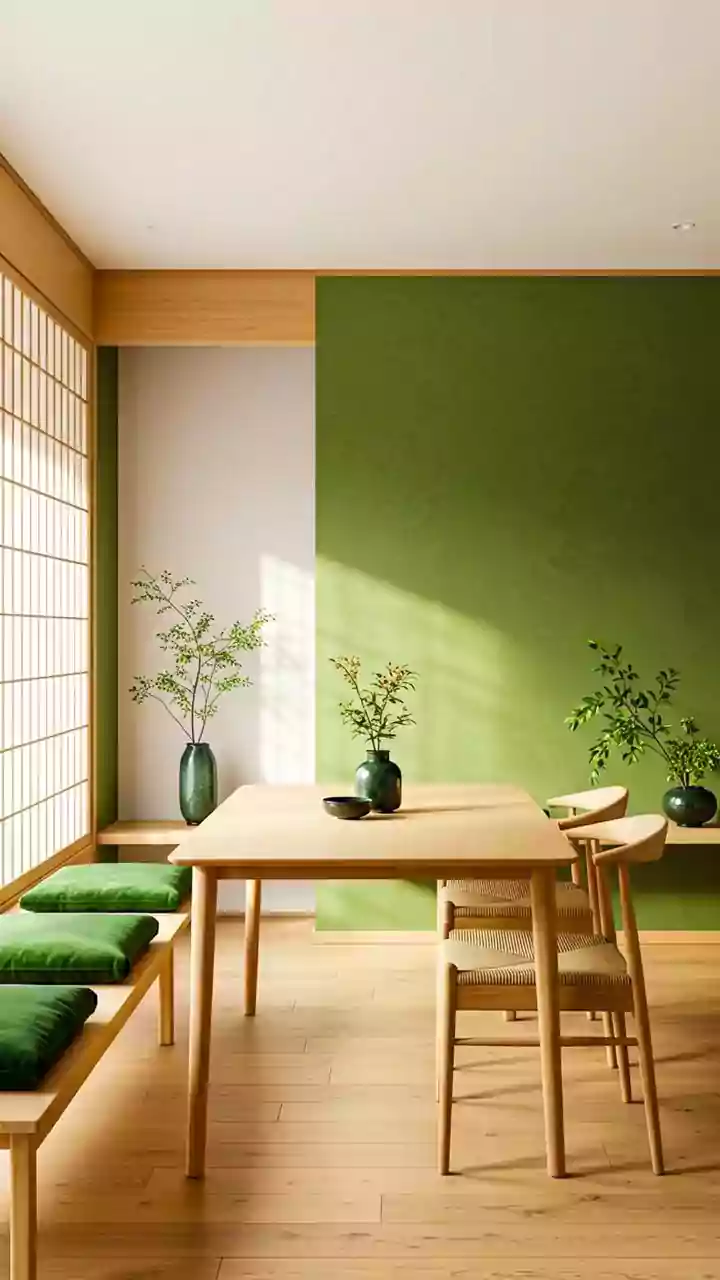
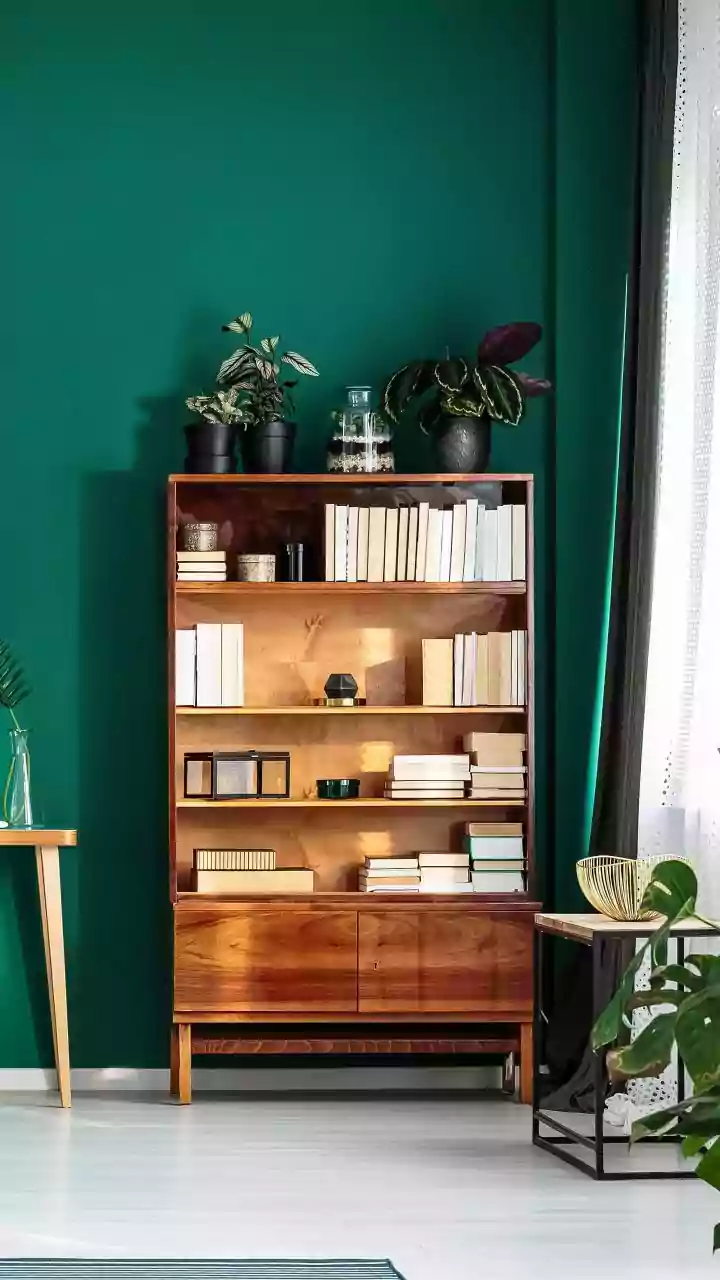
Indoor plants are more than just decorative elements; they act as miniature climate controllers for your home. Through a process called transpiration,
these leafy companions release moisture into the air, effectively counteracting the dry atmosphere that often builds up indoors, especially during hot weather. For the Indian climate, varieties like snake plants, peace lilies, and ferns thrive in sunny spots and are excellent choices. Integrating these plants into contemporary interiors, which often feature hard surfaces like stone, metal, and glass, introduces a vital sense of tranquility and can evoke the serene ambiance of a resort, adding a refreshing natural touch to your living space.
Strategic Exterior Shading
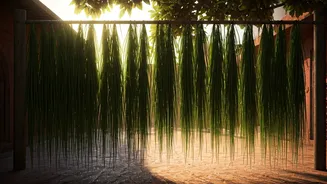
The most effective way to cool your home is to prevent heat from entering in the first place, rather than trying to remove it once it's inside. Simple yet highly effective solutions include using blackout curtains, reflective blinds, or traditional bamboo chick screens to significantly reduce direct sunlight. For homes on upper floors or those with terraces, architectural elements like pergolas, extended roof overhangs, and tensile fabric structures can dramatically decrease heat absorption. When these shading solutions are integrated thoughtfully into the building's design, they become functional architectural features that also enhance the aesthetic appeal, adding a refined layer to the home's exterior.
Terracotta's Timeless Cool
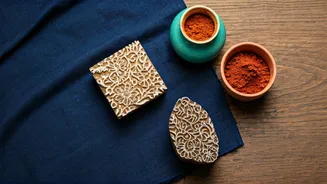
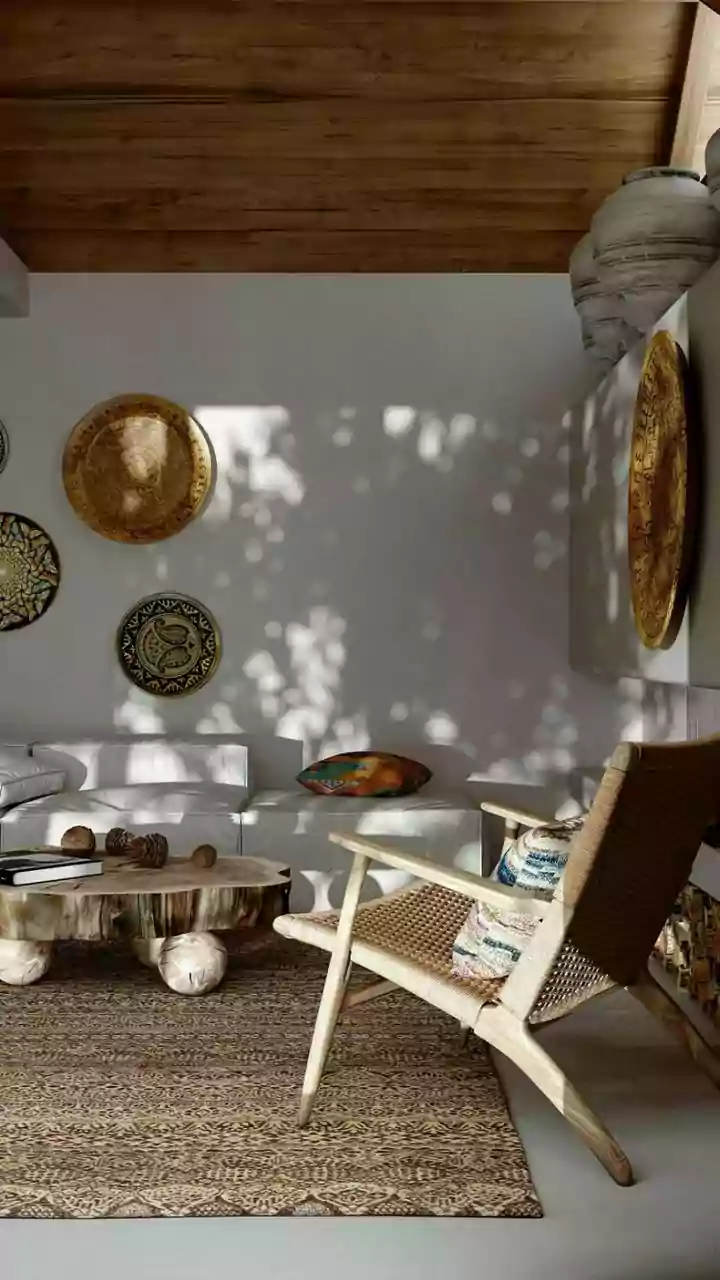
The historical architecture of cities like Jaipur offers invaluable lessons in passive cooling, a technique that has been refined over centuries. Traditional elements such as terracotta jaalis (perforated screens) and shaded courtyards were masterfully designed to filter harsh sunlight and allow buildings to 'breathe,' maintaining a cooler internal temperature. In modern homes, incorporating terracotta can be achieved through partitions, clay-based wall finishes, or jaali-inspired decorative panels. These applications not only add rich texture and visual depth but also harness the material's inherent cooling properties. Terracotta is known for its natural ability to regulate temperature, it ages gracefully, and imparts a grounded, sophisticated warmth that feels uniquely crafted rather than merely ornamental.
Optimize Balcony Living
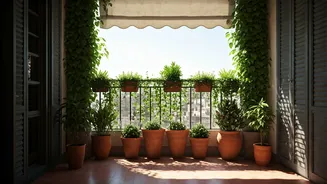
Balconies, often overlooked, can be transformed into effective climate-control zones and extensions of your living space. When thoughtfully designed, they act as a crucial buffer, intercepting and mitigating heat before it penetrates the main interior areas of your home. Incorporating features like deck flooring, overhead pergola shades, external blinds, and strategically placed tall planters can help deflect glare and soften the incoming heat. By adding comfortable seating, ambient layered lighting, and tactile finishes, your balcony can become a private, usable, and remarkably climate-smart outdoor oasis, enhancing your home's overall comfort and livability.
Design for Airflow
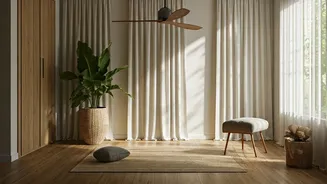
While air conditioners cool a space, they don't always address the issue of trapped heat within the building's structure. Creating effective cross-ventilation is a highly underrated design improvement that profoundly impacts how a home feels. By opening windows on opposite sides of the house, especially during cooler evening hours, trapped warm air can naturally escape. Enhancing this natural flow can be achieved with ceiling fans or subtle exhaust systems that promote air movement without compromising the interior design aesthetics. Homes meticulously planned with aligned openings and layouts that encourage breathability tend to feel cooler, more peaceful, and better balanced overall.