





Towering Chopines Ascend
Originating from the sands of Egypt and flourishing in the royal courts of Renaissance Europe, footwear has always been a profound indicator of social
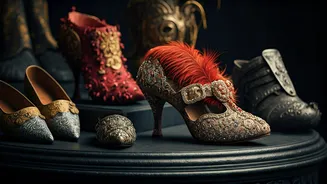
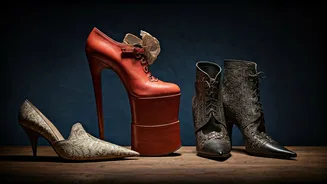
standing, architectural imagination, and aesthetic fixation. Ancient shoe trends reveal a captivating blend of these elements, with certain historical styles dramatically altering human gait and the very definition of social mobility. The Chopines of Venice, for instance, stand as a testament to this, with their staggering platform soles that could reach upwards of 20 inches. Initially conceived as a practical measure to prevent opulent gowns from dragging through muddy streets, these elevated shoes rapidly transformed into potent symbols of wealth and prestige. The greater the height of the Chopine, the more elevated the wearer's social status became, making a literal ascent a visible marker of one's place in society.
Crakows: The Pointed Controversy
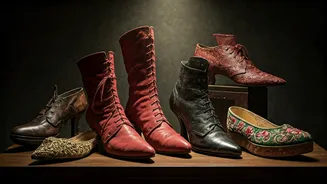
As fashion trends evolved, so did the expressions of vanity and societal commentary through footwear. The Crakows, a distinctive variation of the even more famous poulaines, emerged as a prominent example. These shoes were characterized by their dramatically exaggerated pointed toes, often extending to impractical lengths. Their flamboyant design led to them being widely regarded as overt symbols of personal vanity, and their controversial reputation was so pronounced that they even faced outright bans in certain regions. The sheer impracticality and the social commentary they invited made Crakows a focal point of both admiration and disapproval, pushing the boundaries of acceptable sartorial expression during the Middle Ages.
Duckbill Shoes' Wide Stance
Following the era dominated by the intensely pointed shoe trend, European fashion took a dramatic swing in the opposite direction. The aesthetic pendulum shifted from extreme elongation to pronounced width, giving rise to the Duckbill Shoe. These footwear designs featured a super wide, square-toed silhouette, presenting an exaggerated and often comical appearance. Their distinctive shape was so unconventional that they sometimes became subject to legal regulation, indicating the extent to which their appearance diverged from typical norms. This shift marked a significant departure from previous trends, showcasing the cyclical and often extreme nature of historical fashion.
Nalins: Elevated and Decorated
Beyond the elaborate courtly footwear, functional designs also showcased unique historical ingenuity. The Nalins, for example, were high wooden platform sandals primarily used in bathhouses. Their primary purpose was to keep the wearer's feet dry and elevated above the damp floors, offering a practical solution in a specific environment. However, these functional sandals were not devoid of aesthetic consideration; some Nalins were elaborately decorated, transforming a utilitarian item into an object of artistic expression. These embellished platforms significantly elevated the wearer, demonstrating that even practical footwear could serve as a canvas for design and status signaling.
Pattens: Medieval Mud Shields
In the less refined but equally practical world of medieval streets, a different form of elevated footwear emerged: Pattens. These were essentially wooden overshoes designed to be worn on top of regular footwear. Their main function was to provide a protective barrier against the pervasive mud, filth, and general grime that characterized urban environments during the Middle Ages. While undeniably effective in keeping the wearer's primary shoes clean and dry, Pattens were inherently bulky and awkward to navigate, requiring a deliberate and often ungainly gait.
Poulaines: The Lengthy Statement
The Poulaines, a style of shoe that captivated medieval Europe, are renowned for their exceptionally long and sharply pointed toes. This distinctive feature made them instantly recognizable and a significant fashion statement of the era. The length of these points was not merely a stylistic choice; it was often a deliberate indicator of social rank, with longer points signifying higher social standing. In some cases, the extreme length of the toe required additional support, often in the form of strings or ribbons, to keep them from dragging and to maintain their dramatic shape. The Poulaine embodies how fashion can be intertwined with societal structures and personal aspiration.