




What is German Silver?
German silver, contrary to its name, doesn't contain any silver at all. It's a metal alloy, primarily composed of copper, nickel, and zinc. The exact proportions
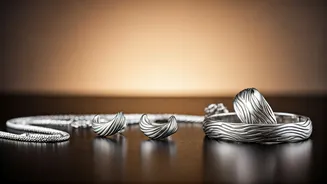
can vary, impacting its properties and appearance. The alloy's composition lends it a silvery sheen, hence the misnomer. German silver is popular in jewellery because it's relatively inexpensive, easily molded, and can mimic the look of more precious metals. However, the presence of nickel is a key factor to consider regarding skin sensitivity. This composition gives it desirable characteristics for crafting, like workability and a lustrous appearance, making it a common choice for various items beyond jewellery.
Nickel and Skin Reactions
The main concern with German silver jewellery is the presence of nickel. Nickel is a common allergen, causing allergic contact dermatitis in many individuals. This reaction typically manifests as a red, itchy rash at the point of contact with the skin. The severity of the reaction varies from person to person. Those with a pre-existing nickel allergy are most susceptible. Even short exposure can trigger a reaction in sensitive individuals. The nickel content in German silver means that prolonged or direct skin contact can lead to irritation and discomfort for some users. This makes understanding your own skin's sensitivity to nickel essential before wearing such jewellery.
Identifying Nickel Sensitivity
If you suspect a nickel allergy, monitoring your skin after wearing German silver jewellery is a good first step. Look for signs such as redness, itching, swelling, or blistering in the areas where the jewellery touches your skin. These symptoms typically appear within hours or days of exposure. Consulting a dermatologist can provide a definitive diagnosis through patch testing. A patch test involves applying small amounts of potential allergens to the skin and observing the reaction. This test helps identify specific substances causing the allergic response. Furthermore, knowing your sensitivity level is key to determining if you can safely wear German silver. If you experience any of these reactions, it's advisable to avoid jewellery made from German silver or any other materials containing nickel to avoid future discomfort.
Safe Jewellery Alternatives
For those with a known nickel allergy or sensitive skin, safer jewellery alternatives abound. Surgical-grade stainless steel is often a good choice, as it's typically low in nickel content and hypoallergenic. Sterling silver (92.5% silver with other metals) is another option, though it's important to ensure it's nickel-free. Platinum is also an excellent option. Gold jewellery, particularly higher karat gold (18K or higher), usually contains less nickel. Always inquire about the metal's composition when purchasing jewellery, and look for nickel-free markings or certifications. Choosing jewellery made from these materials can significantly reduce the risk of allergic reactions and allow you to enjoy your accessories without worry. If in doubt, consult a jeweler or dermatologist.
Caring for Jewellery
Proper care can extend the life of your jewellery and potentially reduce skin reactions. Cleaning your German silver jewellery regularly can help remove any potential irritants. Use a soft cloth to polish the metal and avoid harsh chemicals or abrasive cleaners that might erode the surface and release more nickel. Consider applying a clear coat of nail polish to the areas of the jewellery that touch your skin. This can act as a barrier to prevent direct contact with the metal, particularly if you're not highly sensitive. Regularly inspect your jewellery for signs of wear and tear. Damaged or worn jewellery may expose more of the metal to your skin. Make informed choices about the jewellery you choose and the methods used to care for it.