






Understanding the Trend
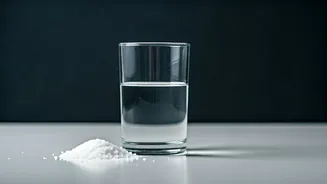
The recent surge in 'electrolyte hacks' on social media has popularized the idea of adding salt to drinking water, suggesting it enhances hydration. However,
medical professionals caution against this widespread adoption. While sodium plays a vital role in bodily functions, including fluid balance and nerve transmission, our regular diets typically provide ample amounts. Excessive sodium intake from added salt in water can easily surpass daily recommendations, leading to a cascade of negative health effects. These can range from increased water retention and elevated blood pressure to more serious long-term cardiovascular complications, underscoring the importance of moderation and understanding individual health needs before embracing such trends. The allure of quick hydration solutions often overlooks these potential downsides.
When Salted Water Helps
The practice of consuming salted water finds its justification in specific physiological circumstances where the body experiences significant sodium depletion. This is primarily observed after intense physical exertion leading to profuse sweating, during episodes of vomiting or diarrhea that cause electrolyte loss, or following prolonged exposure to extreme heat. In these situations, replenishing lost sodium is crucial for restoring fluid balance and preventing dehydration. However, it's essential to differentiate these acute needs from a daily hydration regimen. While beneficial for endurance athletes or those recovering from illness-induced dehydration, the casual addition of salt to everyday water is largely unnecessary and potentially harmful for the general population. Opting for medically formulated rehydration solutions is often a safer and more effective approach.
Who Should Avoid
Certain individuals must exercise extreme caution or entirely avoid the practice of adding salt to their drinking water due to pre-existing health conditions. Those diagnosed with hypertension (high blood pressure), heart disease, or kidney disease are particularly vulnerable to the adverse effects of increased sodium intake. Fluid retention and swelling are also contraindications for this trend. Furthermore, individuals with thyroid conditions may also need to be mindful of their sodium levels. For those with compromised kidney function, the body's ability to excrete excess sodium is impaired, making them highly sensitive to even small increases. Therefore, unless explicitly advised by a medical professional, individuals with these health concerns should abstain from this hydration strategy to safeguard their well-being.
Appropriate Use Cases
There are indeed limited scenarios where supplementing water with electrolytes, including sodium, can be appropriate and beneficial. These primarily revolve around prolonged and strenuous physical activities like endurance sports, severe dehydration stemming from illness, or extended periods of working or being exposed to very hot environments. In such contexts, electrolyte replacement is vital for effective rehydration. However, even in these instances, experts strongly recommend using commercially prepared oral rehydration solutions (ORS) or medically formulated electrolyte drinks over the simple addition of table salt to water. These products are designed to provide a balanced mix of electrolytes and carbohydrates in precise quantities, ensuring safety and optimal absorption. The key is controlled and informed supplementation, not arbitrary mixing.
Smart Consumption Practices
Before considering the addition of salt to your water, a thorough self-assessment of your health status is paramount. If you have any history of high blood pressure, kidney issues, or heart-related concerns, it is strongly advised to avoid this practice altogether. It's a common misconception that more salt equates to better hydration; in reality, excessive sodium can actually exacerbate thirst and lead to dehydration. The body's primary need is water, and a balanced intake is crucial. Furthermore, it's wise to be critical of trending health hacks on social media. What might appear to be a beneficial practice for one individual could be medically unsuitable, or even dangerous, for another. Prioritizing natural sources of hydration like plain water, coconut water, buttermilk, and water-rich fruits, along with medically approved ORS when necessary, is a far safer and more sustainable approach to maintaining optimal hydration levels.