



Understanding Rice Water's Limits
It's crucial to acknowledge that rice water isn't a miracle cure for severe hair damage, nor can it substitute specialized hair treatments. Its effects
are transient, typically washing away with your next shampoo, positioning it as a convenient, short-term enhancement rather than a permanent solution. While rice water has transitioned from a traditional remedy to a prominent beauty phenomenon, celebrated for its perceived simplicity and ease of integration into existing routines, its efficacy lies in managing superficial concerns. It provides a temporary sheen and improved manageability but does not address underlying structural issues in the hair shaft.
Making and Using Rice Water
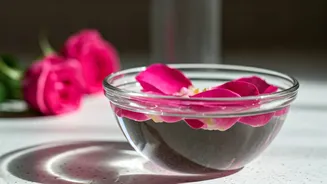
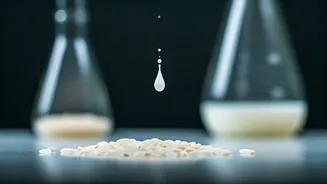
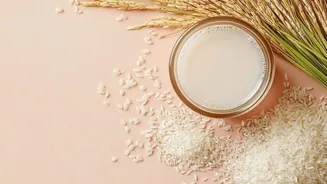
Preparing rice water at home is a simple process involving rinsing uncooked rice and collecting the starchy water, or allowing it to soak for a few hours. While fermented rice water is often touted as more potent, it's not necessarily superior and can be overly intense for consistent scalp application. Moderation is key when incorporating rice water into your routine; occasional use yields better results for healthy hair by enhancing texture and softness. Overuse, conversely, can lead to product buildup, potentially impacting scalp health and leaving hair feeling weighed down or coated, negating the desired effect.
Rice Water's Surface-Level Magic
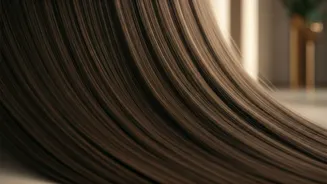
The true strength of rice water lies in its ability to enhance the hair's surface. It significantly improves manageability, making hair easier to style and detangle, while imparting a subtle, appealing polish. On the skin, it offers a refreshing sensation, explaining its frequent inclusion in natural remedies and basic skincare regimens. The starch, amino acids, and trace vitamins present in rice water form a thin layer on the hair's exterior. This coating effectively reduces friction between strands, aiding in detangling, and contributes to a temporary feeling of smoothness and added shine, making hair feel noticeably softer immediately after application.
Effective Application for Hair
Rice water demonstrably works, but its impact is specifically on the hair's aesthetic and tactile qualities for a limited duration. It boosts softness and shine, contributing to a more visually appealing appearance. However, it functions best as a supplementary addition to a well-rounded haircare regimen, not as a replacement for established, effective hair treatments. Understanding this distinction is vital for managing expectations and achieving the desired outcomes. When used correctly and sparingly, it can be a valuable tool for quick improvements in hair's feel and look, but it won't address deeper damage or provide long-term structural benefits.
Rice Water for Skin Concerns
While rice water can be utilized as a gentle facial rinse, it's important to recognize its limitations in comprehensive skincare. It may leave the skin feeling light and impart a temporary glow, contributing to its popularity in natural beauty practices. Nevertheless, it does not possess the capability to address more profound dermatological issues or deliver the targeted benefits of active ingredients found in established daily skincare products. Therefore, it should be viewed as a supplementary step for a refreshing sensation rather than a substitute for a thorough cleansing routine or treatments for specific skin conditions.
Tailoring to Hair Texture
Hair type significantly influences the performance of rice water. Fine-textured hair might experience enhanced smoothness and a feeling of lightness. In contrast, thicker or more textured hair types can sometimes feel stiff or appear coated after application. Adjusting the frequency of use is often more critical than adhering strictly to prevailing beauty trends. For instance, individuals with finer hair may benefit from less frequent applications to prevent any heaviness, while those with denser hair might find occasional use beneficial for manageability without causing stiffness.