





The Teething Analogy
The evocative phrase 'Parents are the bones on which children cut their teeth' initially sounds quite stark. However, upon deeper reflection, its wisdom
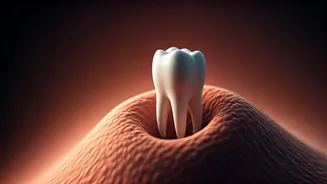
becomes clear. It encapsulates the fundamental way children develop by exploring, challenging, and sometimes even causing discomfort to the very individuals who provide their foundation and support. Consider the analogy of a baby’s teething process: it’s often a messy, uncomfortable period, not always gentle. Extrapolating this to childhood, children don't solely learn through parental instruction; they absorb lessons by interacting with, questioning, and occasionally confronting their parents. This dynamic, far from signifying parental failure, is an integral part of the developmental journey, illustrating how children forge their understanding of the world through these essential early relationships.
Why Home is the Testing Ground
Children frequently reserve their most challenging behaviors for the home environment, a phenomenon that can feel deeply personal to parents. They engage in arguments, exhibit defiance, express distress through crying, and consistently push against established limits. The underlying reason for this is that home represents their most secure haven. Parents, acting as the steadfast 'bones' of this foundation, provide a reliable, ever-present, and resilient presence. This security allows children to lean on them, test their limits, and decipher the mechanics of the world by observing and interacting with their parents. While this can be emotionally taxing for parents, even during moments of perceived disconnect, a significant amount of development is occurring. Children are actively learning to recognize and process emotions like anger and forgiveness, while simultaneously gauging their own capabilities and understanding where boundaries lie.
Subtle Lessons Embedded
Beyond overt teachings, children internalize a wealth of knowledge through observing their parents' daily conduct. They absorb how parents manage stress, the tone of voice used when fatigued, and their general approach to dealing with setbacks. Consequently, when a child exhibits an outburst or withdraws, and a parent responds with patience—or even makes an effort to be patient—this action powerfully demonstrates resilience and effort, not necessarily perfection. This is a lesson that profoundly impacts a child. Conversely, the constant use of harsh language, persistent criticism, or periods of silent treatment can shape a child just as profoundly. This aspect of the 'bones' metaphor highlights the significant impact parents have; being the stable support also means being a source of constant influence, with every interaction leaving a lasting imprint on the child's developing psyche.
Navigating Imperfection
There is a considerable societal expectation for parents to consistently embody calm, wisdom, and unwavering patience. However, the reality of daily family life rarely mirrors this idealized image. Parents, like all individuals, experience moments of losing their temper, uttering regrettable words, or succumbing to exhaustion. Crucially, children witness all these imperfections. Yet, this exposure might not be detrimental. It provides children with the opportunity to observe what transpires afterward: Do parents offer apologies? Can they explain their actions? Do they demonstrate a willingness to try again? These subsequent actions, rather than the initial mistake, impart the most valuable lessons. The true learning occurs not in the absence of errors, but in the constructive manner in which they are addressed and managed.
Mutual Transformation
The concept of children 'cutting their teeth' on their parents extends beyond the child's developmental trajectory; it is a catalyst for parental transformation as well. Parents often discover reserves of patience they never knew they possessed. They are confronted with aspects of their own personalities that they might prefer to avoid. This process, often unfolding in challenging ways, leads to significant personal growth. Thus, while children may 'cut their teeth' by testing, pushing against, and shaping themselves through their parents, the parents are concurrently being molded by these interactions. Although these experiences are not always smooth or aesthetically pleasing, they are undeniably authentic, and it is this genuineness that imbues them with profound significance.