





Winter's Damp Secret
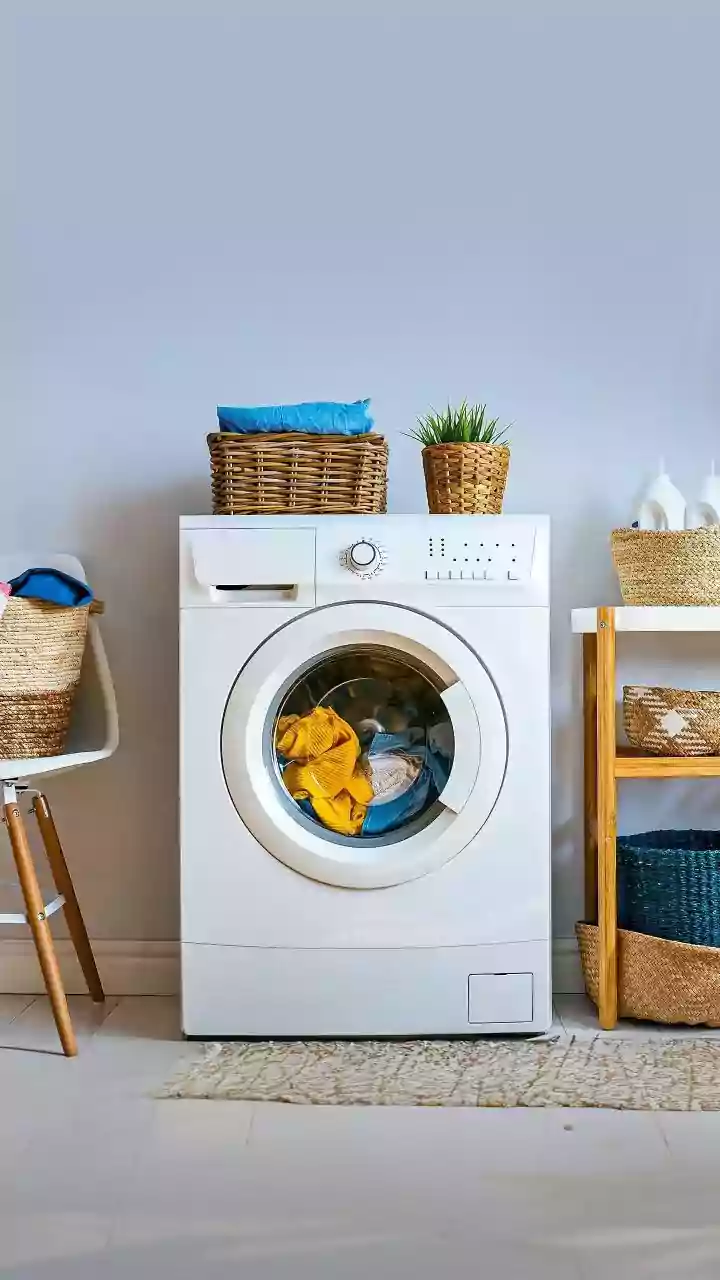
As winter blankets homes with its chill, an age-old domestic practice – drying laundry indoors – becomes a commonplace solution. However, this seemingly
innocent act of hanging wet garments on radiators or across doorways, while comfortable, acts as a stealthy humidifier. It releases substantial moisture vapour into enclosed living spaces. In well-ventilated homes, this moisture might dissipate unnoticed, but with modern, insulated dwellings designed to conserve heat, the water vapour has nowhere to escape. This trapped dampness then settles, often in cooler areas, initiating a cycle that can be difficult to reverse and leading to a cascade of potential issues.
The Mould Menace
The true danger isn't merely the increased humidity from indoor drying; it's the direct consequence of poor ventilation. When fresh air cannot circulate, humidity levels can spike rapidly, creating a fertile ground for unwelcome microbial life. These microbes thrive where dampness encounters cold surfaces or obstructions that impede airflow, leading to mould growth. Scientific research highlights that mould removal alone isn't a complete fix, as the excess moisture provides an ideal environment for microbial proliferation affecting the entire household. Studies indicate that residents of damp premises face a heightened risk of upper respiratory symptoms, including coughing and wheezing, with children and vulnerable individuals potentially experiencing asthma exacerbation.
Beyond Mould Concerns
The detrimental effects of excessive indoor dampness extend beyond mould proliferation. Scientific observations reveal that prolonged exposure can cause the very materials within the home to begin decomposing, releasing volatile organic compounds into the air. Furthermore, hidden dampness, often concealed within walls or behind drywall, can lead to more insidious problems. These issues may only become apparent when a persistent, unpleasant odour begins to emanate from recently washed clothes, indicating a deeper moisture problem that has infiltrated the building's structure.
Smart Drying Strategies
Addressing a large laundry load during inclement weather requires a fundamental understanding of evaporation and ventilation. To dry clothes effectively, prioritizing airflow is paramount. This can be achieved by slightly opening a window or utilizing a powerful exhaust fan. According to a comprehensive report on damp indoor spaces and health, proactively managing the 'moisture dynamic' is the most effective way to prevent long-term structural damage and health complications. Experts advocate for a 'source control' approach, suggesting placement of drying racks in areas with better natural airflow, employing a dehumidifier to actively remove moisture, or using an oscillating fan to promote air circulation over the damp fabrics.
Maintaining Healthy Humidity
Consistency in managing indoor moisture is crucial, as it's not just a single large spill but the cumulative effect of daily chores like laundry that elevates humidity over time. Simple tools like a hygrometer can provide precise readings, indicating when ventilation is necessary. The established benchmark for a healthy home environment is to maintain indoor humidity levels below 50 percent, which is highly effective in preventing mould growth and ensuring fresh-smelling air. By making small, proactive adjustments to how and where laundry is dried, individuals can significantly protect their homes and the well-being of their families.