






Understanding Skin Fasting
The recent buzz around 'skin fasting,' championed by personalities like Mira Kapoor, signifies a growing interest in simplifying skincare routines. This
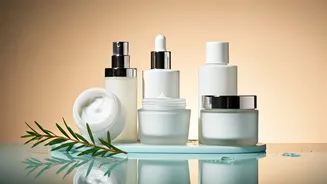
approach, often likened to intermittent fasting for the body, encourages individuals to temporarily halt the use of potent skincare ingredients. Typically, this involves abstaining from active components such as retinoids, alpha-hydroxy acids (AHAs), beta-hydroxy acids (BHAs), and vitamin C for a set period. Alternatively, participants might opt for a drastically reduced regimen, confining their routine to just a cleanser, a basic moisturizer, and sunscreen. The core philosophy behind this trend is to give the skin's natural barrier a chance to recover and function optimally, counteracting concerns that an excessive build-up of products could lead to irritation and heightened sensitivity.
Expert Insights on Benefits
Dermatologists acknowledge that a controlled form of skin fasting can be beneficial, particularly for individuals with sensitive or over-treated skin. By reducing the application of potentially irritating substances, the skin barrier can regain its equilibrium. Scientific research and clinical observations suggest that reducing inflammation through such practices can enhance skin hydration and accelerate healing processes. Studies, including a 2023 investigation into fasting-mimicking diets, have indicated improvements in skin hydration and texture. The body's natural mechanisms, like autophagy, are believed to play a role in decreasing inflammation and oxidative stress, contributing to these positive outcomes. This approach emphasizes letting the skin's inherent regenerative capabilities take precedence.
Crucial Skincare Non-Negotiables
While simplifying routines can be advantageous, experts caution against complete abandonment of all skincare products. Most dermatologists advocate for a 'controlled skin fast,' where patients reduce the use of irritating actives but diligently continue with essential products. Foremost among these non-negotiables are sunscreen, vital for protecting the skin from harmful UV radiation, and barrier-repair moisturizers, which help maintain the skin's protective layer. It's crucial to understand that entirely ceasing skincare treatments is not scientifically supported as a method for skin restoration. The emphasis shifts from total product elimination to a more mindful and strategic selection of what your skin truly needs for protection and repair.
Who Should Reconsider?
The concept of skin fasting isn't universally applicable, and dermatologists strongly advise against its adoption by everyone, especially younger individuals in their 20s. Those with already healthy skin who maintain a balanced and consistent skincare routine are unlikely to gain significant advantages from stopping all products. In fact, such drastic changes could potentially disrupt their skin's status quo. The rise of social media trends has led many young adults to over-rely on exfoliants, acids, and a multitude of active ingredients. For these individuals, reducing product overload can indeed help restore the skin barrier, alleviate redness, manage acne flare-ups, and combat dryness, but this is distinct from a complete 'fast'.
Personalized Care Over Trends
Dermatologists universally stress the importance of tailoring skincare regimens to individual needs rather than blindly following fleeting trends. For individuals managing specific skin conditions such as acne, rosacea, eczema, or pigmentation issues, it is imperative to continue prescribed treatments unless advised otherwise by a healthcare professional. The consensus among experts, mirroring the approach of many dermatologists, is that simplifying one's skincare routine yields superior results compared to complete product cessation. This mindful simplification, focusing on core protective and restorative elements, is advocated as a more effective and sustainable path to achieving healthier skin.