





Nature's Red Heart Guards
A colourful plate often signifies more than just visual appeal; it's a promise of internal health. Among the spectrum of colours, red foods command attention
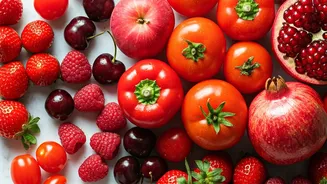
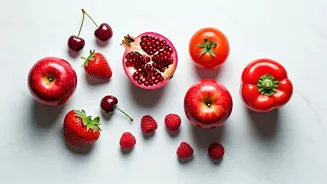
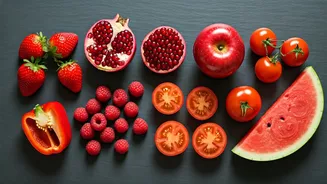
for their potent heart-protective qualities. These vibrant offerings are brimming with beneficial compounds like lycopene, anthocyanins, and flavonoids. Far from being mere labels, these are active agents that work to quell inflammation, fortify blood vessel integrity, and foster a healthy balance of cholesterol. Scientific studies, including those highlighted by the US National Institutes of Health, consistently demonstrate that diets rich in fruits and vegetables significantly reduce the risk of cardiovascular ailments. The underlying principle is straightforward: what appears vibrant externally often performs its vital functions quietly within the body.
Tomato's Lycopene Power
Tomatoes, often relegated to secondary roles in salads and curries, are nutritional powerhouses, especially for heart health. They are a premier source of lycopene, a remarkable phytonutrient strongly associated with a diminished risk of heart disease. Interestingly, the bioavailability of lycopene increases when tomatoes are cooked. This means that a simple, simmering tomato-based curry can offer substantial benefits beyond mere culinary enjoyment. Research published in the journal Biology suggests a direct correlation between consistent tomato consumption and improved cholesterol profiles. It's truly inspiring how such a commonplace ingredient possesses such profound health-promoting capabilities.
Watermelon's Hydration Boost
More than just a refreshing treat on a hot day, watermelon offers significant cardiovascular advantages due to its citrulline content. This amino acid plays a crucial role in enhancing blood flow throughout the body. Improved circulation translates to reduced strain on the heart and aids in maintaining optimal blood pressure, particularly during periods of elevated temperatures when dehydration can subtly impact heart health. Studies have underscored the positive impact of citrulline intake on vascular function, making watermelon a delightful yet beneficial addition to your diet.
Strawberry's Antioxidant Punch
Don't let their delicate appearance deceive you; strawberries are packed with potent antioxidants, primarily anthocyanins. These compounds are instrumental in combating oxidative stress, a major contributor to the development of heart disease. Regular inclusion of strawberries in your diet has been linked to reduced levels of LDL (bad) cholesterol and enhanced arterial function. A prominent study, supported by the US government, indicated that women who regularly consumed strawberries exhibited a lower incidence of heart attacks, proving that small foods can carry immense impact.
Red Bell Pepper's Vitality
While often overshadowed by their green and yellow counterparts, red bell peppers (capsicum) offer superior nutritional value, especially for heart health. They are abundant in vitamin C and beta-carotene, both essential for maintaining the health of blood vessels and mitigating inflammation. Notably, research published by the NIH indicates that the seeds within peppers are rich in antioxidants, often exceeding those found in many other vegetables within their category. This makes the entire pepper, including its seeds, a valuable component of a heart-friendly diet.
Pomegranate's Arterial Defense
Pomegranate has long been a staple in traditional diets, and modern science now validates its ancient wisdom regarding heart health. This fruit is rich in polyphenols, which are known to help reduce the accumulation of plaque within arteries. Furthermore, it contributes to improved blood circulation and can help lower blood pressure. Organizations like the National Center for Complementary and Integrative Health recognize pomegranate's significant role in supporting cardiovascular well-being.
Cherry's Anti-inflammatory Power
Cherries, particularly the tart varieties, are celebrated for their high concentration of anthocyanins. These powerful compounds are effective in managing inflammation, a condition intimately linked with heart disease progression. Beyond their anti-inflammatory properties, cherries also support improved sleep quality due to their natural melatonin content, and better sleep is indirectly beneficial for cardiovascular health. Scientific backing from the US National Library of Medicine demonstrates that cherry consumption can lead to reduced markers of inflammation, highlighting their holistic health benefits.
Beetroot's Nitric Oxide Flow
Beetroot has rightly garnered considerable attention for its remarkable health benefits, especially concerning blood pressure regulation. Its high nitrate content is converted into nitric oxide within the body, a crucial element that helps to relax and widen blood vessels. This physiological response directly contributes to enhanced blood flow and can naturally lower elevated blood pressure when consumed consistently. While the taste of beetroot juice might require some adjustment, the long-term benefits for your heart are undeniable and highly appreciated by your cardiovascular system.