

The Iconic Influence
The year 2006 brought a significant cinematic moment with 'The Devil Wears Prada,' showcasing how attire can powerfully communicate professional stature.
Miranda Priestly's impeccably tailored ensembles, in classic neutral tones accented with rich hues, weren't just clothing; they were a visual declaration of her editorial command. This film resonated deeply, particularly with the Indian audience, highlighting that corporate dressing is far more than aesthetics – it's a strategic tool for projecting authority, building trust, and clearly signaling intent. It redefined for women in professional spheres the idea that their clothing could articulate decision-making prowess and establish a commanding executive presence. The narrative cemented the understanding that fashion in the workplace serves as a potent non-verbal language, conveying not only personal identity but also hierarchy and influence within an organization, setting a new benchmark for how women could visually assert their power.
Early Indian Adaptations
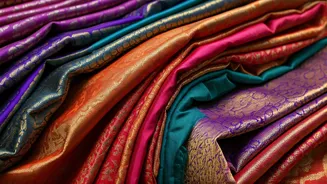
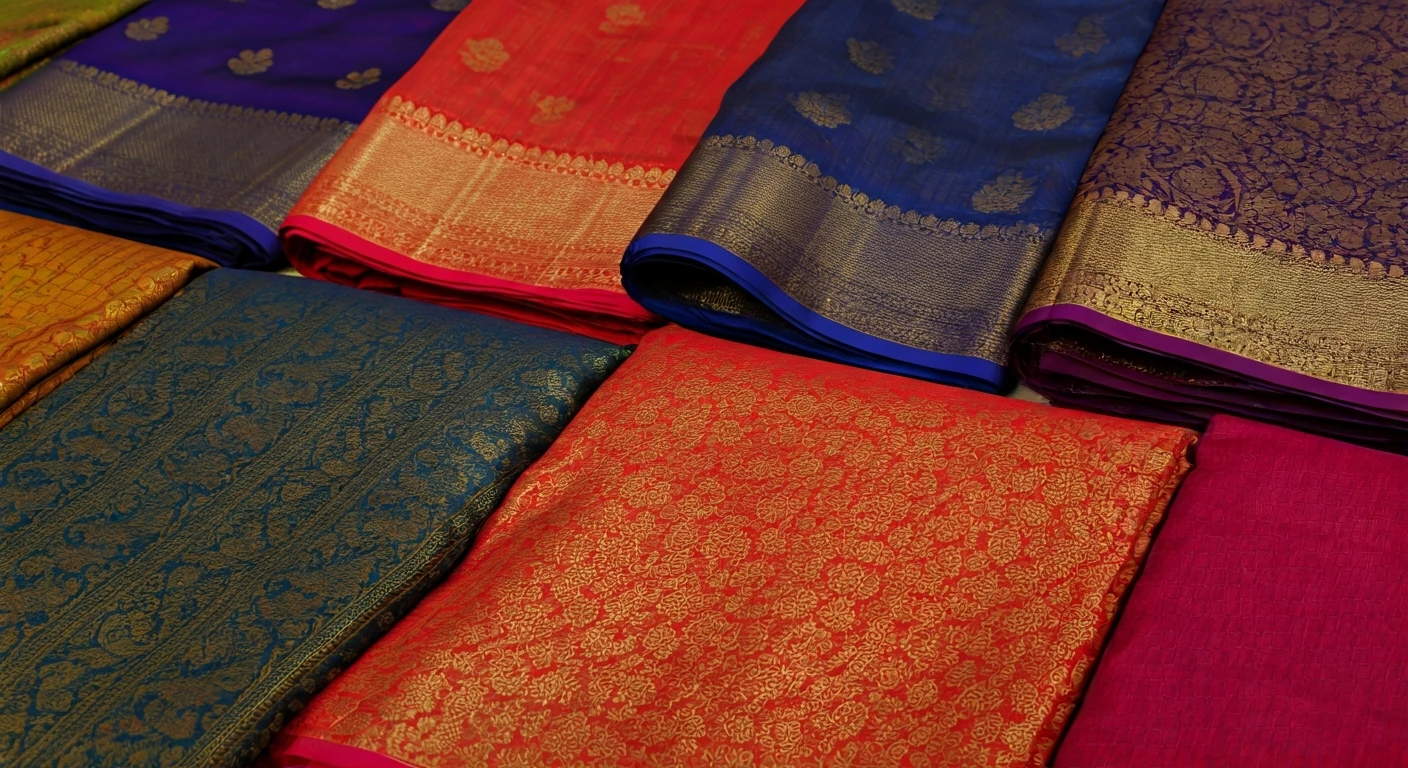
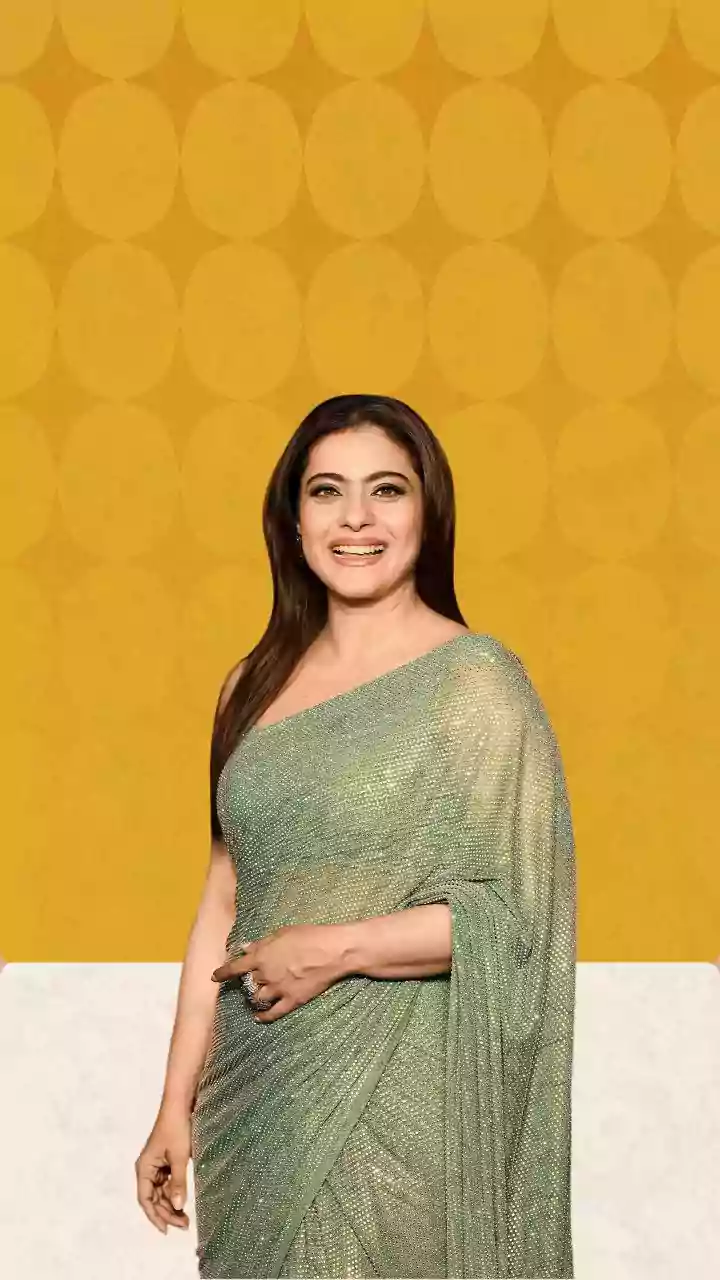
In the nascent stages of the new millennium in India, the concept of a defined corporate wardrobe for women was still taking shape, often characterized by a blend of traditional sarees and Western suits. The available Western wear options typically fell into tailored pieces or ready-to-wear selections from major retailers. However, brands like AND and Fabindia began to introduce the notion that workwear could be thoughtfully designed, standardized, and confidently adopted by women entering the corporate world. This period marked the initial steps towards a more structured approach to professional attire, moving beyond mere necessity to embrace the idea of a deliberate professional image. While the saree remained a staple, the gradual influx of curated Western options laid the groundwork for future developments in formal work attire, reflecting a broader societal shift towards modern professional norms.
Formalization and Individuality
The landscape of corporate fashion in India experienced a significant formalization after 2010, with brands like Van Heusen Woman playing a pivotal role in solidifying the concept of 'power dressing.' While 'The Devil Wears Prada' initially emphasized dressing to project authority and hierarchy, the subsequent decade witnessed a nuanced shift. The focus gradually moved from a uniform portrayal of authority to the expression of individuality and personal branding. The burgeoning culture of corporate coaching and training began to stress the importance of aligning one's appearance with their specific role, target audience, and professional environment. This evolution signified a move towards a more sophisticated understanding of professional presentation, where personal style could coexist with and even enhance one's perceived competence and authority in the workplace.
The Future of Professional Attire
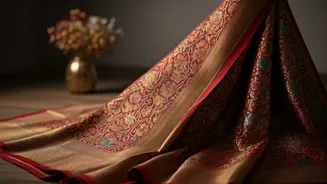
As we look towards 2026-27, the world of corporate dressing is poised for further transformation. With trends like 'city dressing' emerging as a blend of office wear and understated luxury, and the rise of adaptable wardrobes, rigidity is giving way to intention. The anticipated 'The Devil Wears Prada 2' sequel, set to release on May 1, 2026, is expected to mirror this evolving professional landscape, potentially steering Miranda Priestly's iconic style towards a more purposeful and less label-centric presentation. This suggests a future where gravitas and ethical judgment are communicated through thoughtful styling, possibly embracing sustainable choices. In India, the saree is set to retain its significance, adapting in fabric and draping while continuing to be a powerful emblem of authority, cultural relevance, and conscious fashion. The visual language of clothing will remain paramount, offering new directives for projecting confidence and command in the professional sphere.