




The Rise of Restrictive Eating
In contemporary urban India, a peculiar trend has emerged where individuals, influenced by celebrity endorsements and wellness gurus, are embracing highly
restrictive dietary regimens. This often involves prolonged fasting periods, sometimes extending to 18 hours daily, followed by the consumption of minimal food items like a mere handful of almonds or a spoonful of ghee, alongside a significant amount of quinoa. The author observes a widespread reliance on protein powders, humorously questioning the potential digestive consequences. This phenomenon is framed against a backdrop of global events, suggesting a potential shift in dietary habits towards perceived austerity. The narrative highlights the contrast between this approach and traditional dietary norms, prompting a consideration of whether these practices are rooted in genuine health benefits or merely a superficial adoption of trends without critical evaluation. The article questions the underlying rationale for adopting such strict eating patterns, especially when they involve the exclusion of enjoyable foods.
Water Therapy and Green Elixirs
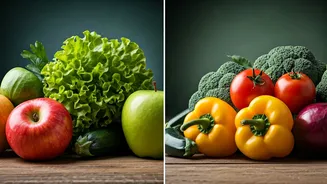
The author shares a personal routine that mirrors some celebrity wellness practices, starting the day with 'water therapy.' This involves drinking warm water infused overnight with seeds like fenugreek, fennel, or coriander, which is then heated and strained. This is followed by a nutrient-dense green juice, meticulously crafted from ingredients such as apple, orange, celery, bottle gourd, cucumber, ginger, mint, and amla. Occasionally, a red juice alternative, featuring beetroot and carrot, is consumed. Even after these hydrating beverages, a cup of ginger tea is enjoyed, though the author notes that celebrities might advocate for ghee instead. This section illustrates the detailed preparation and consumption of various functional beverages, presenting them as foundational elements of a health-conscious lifestyle, and drawing parallels to broader trends in celebrity wellness.
Celebrity Diet Staples Deconstructed
The article scrutinizes the typical dietary recommendations promoted by celebrities, which often include a daily spoonful of ghee, followed by chewing flaxseeds. A notable exclusion from these diets is white rice, with brown rice being advocated as a healthier alternative. Furthermore, there are directives against consuming meat prepared with yogurt and a general emphasis on fasting for extended periods. Drinks like almond milk, which is essentially pureed almonds with water, are favored over dairy. Sweeteners are replaced with dates, and traditional baked goods are re-imagined with substitutes like coconut milk, eschewing butter, sugar, and flour. While acknowledging the appeal of a healthy diet, the author finds these restrictions to be extreme and questions the sustainability and enjoyment derived from such eating patterns. The reliance on processed or substituted ingredients, like coconut milk, is noted to alter familiar taste profiles.
The Science Behind the Greens
Delhi-based nutritionist Shweta Ahuja Arora lends a scientific perspective to these dietary trends, explaining the rationale behind green juices. These beverages are rich in essential vitamins like A, D, E, and K, along with folate, contributing to effective hydration, particularly beneficial during warmer months for skin and gut health, and aiding in detoxification. Regarding brown rice, Arora highlights its high fiber content, which promotes satiety and helps regulate blood sugar levels, making it a beneficial choice for weight management compared to white rice. However, she emphasizes that portion control remains crucial even with healthier alternatives. The nutritionist also points out the importance of yogurt as a daily inclusion due to its protein and probiotic content, beneficial for gut health, and highlights pomegranate as a fruit rich in iron, folate, and antioxidants. Pulses and beans are lauded for their fiber content, aiding in prolonged fullness, cholesterol management, and fat loss.
Herbal Drinks and Practical Realities
While herbal drinks are popular, their direct impact on weight loss is minimal. However, they do offer significant benefits in terms of improving digestion, aiding sugar control, and curbing cravings, which indirectly contribute to faster weight loss. The article then pivots to the practical challenges of maintaining such regimented diets. It's highlighted that these elaborate meal preparations are often feasible only for individuals with dedicated staff or ample free time. For those with demanding professional lives, the daily commitment to preparing fresh items like cheelas or slow-cooking brown rice can be impractical compared to the quick preparation of white rice. Furthermore, diet foods can be prohibitively expensive, often leaving individuals feeling hungry, contrasting with more conventional meals like toast with eggs or roti with curry. The author emphasizes that celebrities' livelihoods depend on their appearance, necessitating strict adherence to diets and fitness regimes.
A Balanced Approach to Wellness
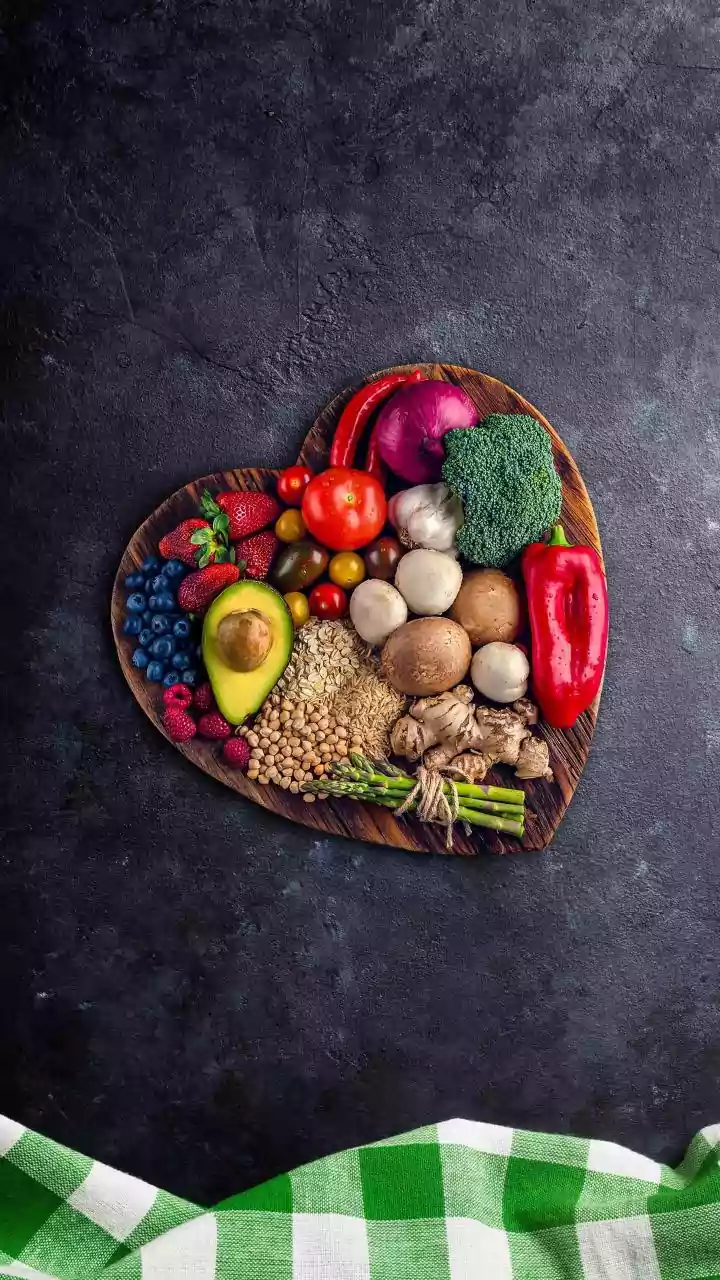
The author offers a pragmatic approach to healthy eating, devoid of celebrity fanfare. The core advice is to prioritize healthy, home-cooked meals in small, controlled portions. Regular daily exercise, even a brisk one-hour walk, is strongly recommended. The author also advocates for the consumption of natural protein sources over excessive intake of protein shakes. This balanced lifestyle is presented as a pathway to greater happiness and well-being, even if it doesn't generate the same level of social media attention as highly restrictive, ascetic diets. The piece concludes by reiterating the importance of consulting a health practitioner before adopting any new dietary routine, underscoring that the information provided is based on public domain knowledge and expert opinions, not personal medical advice.