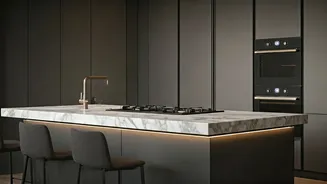

Traditional to Modern
The journey from a conventional kitchen to a dream space is often a significant undertaking, requiring careful planning and execution. Traditional kitchens,
characterized by their functional layouts, often prioritize practicality over aesthetics. This often involves older appliances, less efficient lighting, and a generally enclosed feeling. Modern kitchen designs, in contrast, emphasize openness, contemporary aesthetics, and advanced technology. The renovation begins with a vision: how the space should look, and what features are essential. Considering how the kitchen is used – cooking style, entertainment habits, and storage requirements – shapes this vision. The initial step is often a thorough assessment of the existing space, which helps identify structural limitations, plumbing and electrical needs, and any essential changes. Planning is crucial. Before demolishing anything, meticulously outline the scope of the project, including design, budget, and timeline. Engaging a professional, such as an architect or interior designer, can prove invaluable. They help refine the design, ensuring functionality and aesthetic appeal while also adhering to structural and building codes. Decisions on layout, materials, and appliances follow this phase. This ensures that the renovation stays within the established parameters and that the result meets all expectations.
Cost Breakdown Revealed
Understanding the financial aspects is crucial for a kitchen renovation. Costs depend on several factors, including the size of the kitchen, the chosen materials, and the extent of the modifications. A basic remodel focuses on cosmetic changes like painting, new flooring, and perhaps replacing some appliances. This may cost considerably less than a full-scale renovation involving structural changes. Mid-range renovations typically involve more extensive work, such as replacing cabinets, countertops, and appliances, along with changes to lighting and plumbing. High-end kitchen renovations encompass premium materials, custom designs, and advanced features, like smart appliances, custom cabinetry, and high-quality finishes. The budget must incorporate labor costs, which often make up a significant portion of the total. Consider the costs of materials, such as cabinets, countertops, flooring, and appliances. Appliances can significantly impact the budget, with high-end brands being more expensive. Do not forget to account for unforeseen expenses. It is prudent to allocate a contingency fund to cover unexpected repairs, design changes, or material price increases. A detailed budget, maintained and updated throughout the project, helps to keep the renovation on track.
Design Elements Explored
The design phase is where the dream kitchen takes shape. Several key elements contribute to a successful design. Layout is fundamental, impacting the kitchen's functionality and workflow. The ‘work triangle’ concept – the optimal arrangement of the sink, refrigerator, and cooktop – enhances efficiency. Consider the dimensions of the space and how it will be used. Cabinetry is a significant design element, influencing both aesthetics and storage. Select cabinets based on your style preferences and storage needs. Countertops contribute to the kitchen's overall look, but also its utility. Consider materials like granite, quartz, or solid surface, taking into account durability, maintenance, and visual appeal. Choosing the correct lighting makes the space user-friendly. Combining ambient lighting with task lighting (above the cooktop and prep areas) and accent lighting will create a balanced environment. Flooring choices should consider durability, comfort, and design. Options include tile, hardwood, and laminate. Appliances also play a vital role. Choosing energy-efficient appliances that fit your cooking style will improve functionality. Consider the overall design aesthetic, whether you prefer modern, traditional, or a hybrid of styles. Integrate storage solutions, such as pull-out shelves, organizers, and pantry designs, to enhance convenience and usability.
Renovation Timeline Factors
Understanding the timeline for a kitchen renovation is essential. The duration varies based on the project's scope, the complexity of the design, and the availability of materials and labor. A basic remodel may take several weeks, while a more extensive renovation can take several months. Demolition is usually the initial phase, removing the existing kitchen elements. This may take a few days to a week, depending on the size and complexity of the space. Preparing the space for new installations, including plumbing and electrical work, is a crucial step. This phase can take several days to a couple of weeks, depending on the changes needed. Installing new cabinets, countertops, and appliances takes several weeks. It is best to have skilled professionals for this purpose. The final touches include flooring, lighting, and finishing details. Allow a week or two for the completion of these tasks. Delays are inevitable. Material shortages, unexpected issues, and weather conditions can cause delays. Plan for flexibility in the schedule to accommodate these potential setbacks. Clear communication with contractors and suppliers regarding the project timeline is important. Establishing a realistic timeline early and keeping track of the progress during the entire process helps in managing the project.
Tips for Success
Several strategies contribute to a successful kitchen renovation. Set a clear budget and stick to it. Research the costs of materials and labor, and include a contingency fund for unexpected expenses. The kitchen design process should consider your lifestyle and how you intend to use the space. Ensure that the design aligns with your needs and preferences, not just with current trends. Choose the correct contractor. Get multiple bids, check references, and ensure the contractor is licensed and insured. Check the quality of the materials and their compatibility with your design aesthetic. Prioritize quality over cost. Maintain open and frequent communication with the contractor and any other parties involved. Ensure everyone understands the plan. When the work is in progress, make regular site visits. Inspect the work regularly and address any issues immediately. Be patient. Kitchen renovations can be stressful. Manage expectations and be prepared for minor inconveniences and delays. Stay organized throughout the process. Keep track of all documents, invoices, and communications, and make informed decisions at each stage. When the project is complete, ensure a thorough final inspection. Verify the work meets your expectations and resolve any outstanding issues before signing off on the project.