






Daily Activity Struggles
When you consistently engage in weightlifting but consistently bypass cardio, your body develops a peculiar imbalance. While your muscles might become
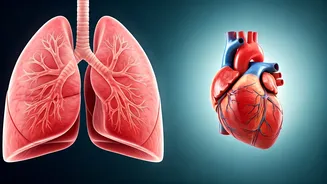
adept at handling resistance for specific exercises, this strength doesn't translate well to the demands of everyday life. Simple actions like ascending a flight of stairs, chasing after a bus, or transporting grocery bags can leave you unexpectedly winded. This occurs because your cardiovascular system, specifically your heart and lungs, isn't adequately conditioned to pump blood efficiently. Consequently, even minor physical exertion can rapidly elevate your heart rate beyond its comfortable capacity, leading to a feeling of premature fatigue. Your body is signaling that while it can exert force, it lacks the endurance for sustained effort.
Endurance vs. Power
The core issue with a strength-dominant training regimen without a cardio component is the disparity it creates between muscular power and oxygen utilization. Weightlifting is excellent for building muscle mass and increasing your capacity to generate force, but it does little to enhance your aerobic capacity. Without regular cardiovascular activity, the network of blood vessels supplying your muscles remains relatively restricted. This limited blood flow hampers the delivery of oxygen and nutrients, which in turn can prolong the recovery process and exacerbate post-exercise soreness. Thus, individuals might feel robust and capable during their weightlifting sessions, only to find themselves gasping for breath during warm-up routines or short bursts of activity, a clear indication that their heart and lungs are not conditioned for sustained aerobic output.
Impact on Joint Health
While skipping cardio might not directly damage your joints, its indirect effects can be significant. A lack of cardiovascular endurance can lead to alterations in your posture and natural movement mechanics. As your body tires more quickly due to insufficient stamina, your form during both workouts and daily activities is likely to deteriorate. This compromised form places undue stress on critical joints, including your knees, hips, and lower back, increasing the risk of strain or injury. Cardiovascular exercise, on the other hand, plays a crucial role in enhancing blood circulation throughout the body, improving the flexibility of muscles and connective tissues, and boosting overall mobility. These benefits are essential for providing a protective buffer for your joints, especially when you're engaging in demanding weightlifting exercises.
Fat Loss and Metabolism
For many, a significant goal in the gym is fat loss, and it's here that neglecting cardio can create a bottleneck. Cardiovascular exercise is a potent tool for accelerating your metabolism, meaning your body burns more calories at rest and during activity. When cardio is absent from your routine, your body's ability to use energy efficiently is diminished, which consequently slows down the rate at which you lose fat. This can result in a physique that appears muscular but lacks the lean definition many seek, often described as a 'bulky' appearance. The frustration for such individuals can be considerable, as they invest considerable time in training only to feel sluggish and not achieve the desired aesthetic results due to an imbalanced approach to fitness.
The Balanced Approach
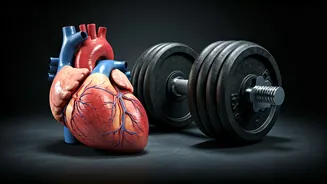
Achieving truly holistic fitness requires integrating both strength training and cardiovascular conditioning. A balanced approach, incorporating activities like brisk walking, cycling, or light jogging alongside your weightlifting, significantly enhances overall bodily function. This combination demonstrably improves heart health, facilitates more efficient muscle recovery, reduces the likelihood of sustaining injuries, and cultivates stamina that is in harmony with your physical appearance. It's vital to understand that optimal fitness isn't solely measured by the size of your muscles, but rather by your body's sustained ability to perform physical tasks without succumbing to fatigue, a goal best achieved through a well-rounded training regimen.