






Why Cleaning Matters
The washing machine, a household workhorse, often gets overlooked when it comes to cleaning. However, it's essential to understand that a dirty washing machine can
lead to several issues. Firstly, it affects the cleanliness of your clothes, leading to unpleasant odors and even the transfer of bacteria and mold. Secondly, a build-up of detergent residue, lint, and other debris can reduce the machine's efficiency, forcing it to work harder and potentially shortening its lifespan. By neglecting the washing machine, one risks not only compromising the quality of their laundry but also inviting potential health hazards and incurring unnecessary repair costs. Regular cleaning, therefore, is a proactive measure that promotes hygiene, maintains appliance performance, and saves money in the long run.
Detergent Drawer Woes
The detergent drawer is a prime breeding ground for mold and mildew. This area, often damp and dark, provides an ideal environment for these microorganisms to thrive. The sticky residue from detergents and fabric softeners further contributes to the problem. To keep the detergent drawer clean, it is recommended to remove and wash it regularly, preferably after every few washes, depending on usage. You can wash it with warm, soapy water, ensuring all residue is removed. Allow the drawer to dry completely before returning it to the machine to prevent mold growth. This simple yet effective practice keeps your washing machine hygienic and prevents the transfer of unwanted smells and organisms to your laundry, ensuring each wash leaves your clothes fresh and clean.
Cleaning the Filter
The washing machine filter plays a crucial role in trapping lint, hair, and other debris that can accumulate during the wash cycle. A clogged filter restricts water flow and can affect the machine's performance, leading to longer wash times and reduced cleaning efficiency. The filter's location varies by model, but it is usually accessible at the bottom front of the machine. Cleaning it involves opening the access panel, removing the filter, and removing all trapped debris. Rinse the filter thoroughly under running water until clean. Reinstalling the cleaned filter will restore the machine's optimal performance and prevent potential damage to the pump. Regular filter cleaning is a simple, yet vital maintenance task that protects your washing machine.
Deep Cleaning the Drum
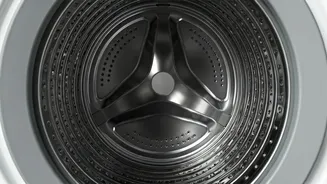
The washing machine drum, where clothes are cleaned, also requires periodic deep cleaning. Over time, detergent residue, mineral deposits, and mold can accumulate inside the drum. You can do this by running an empty wash cycle with hot water and a cup of white vinegar or a washing machine cleaner. This removes soap scum, odors, and any build-up on the drum's surfaces. After the cleaning cycle, wipe down the drum with a clean cloth to remove any remaining residue. Doing this regularly keeps the drum clean and hygienic and ensures that your clothes are washed in a fresh environment. It also helps to maintain the efficiency and prolong the life of your washing machine.
The Door Seal
The rubber door seal, or gasket, is another area where mold and mildew often thrive. This area is constantly exposed to moisture, making it a perfect breeding ground for these unwanted organisms. After each wash, it's wise to wipe down the door seal with a clean cloth, removing any standing water and preventing mold growth. You can also use a mild cleaning solution to remove any residue. Regular maintenance of the door seal maintains the hygiene of your washing machine. Keeping it clean will prevent musty smells from forming and keep your clothes fresh. Inspect the seal periodically for any damage, and replace it if necessary to prevent leaks and maintain efficient washing.
Beyond Cleaning Steps
In addition to regular cleaning routines, there are other steps you can take to maintain your washing machine. After each wash, leave the washing machine door open to allow air circulation and prevent mold growth. Ensure you use the correct amount of detergent for each load; using too much can lead to excessive residue build-up. Consider running an occasional 'clean washer' cycle using a washing machine cleaner or vinegar. This will further help remove residue and maintain freshness. Regularly inspect the hoses for leaks or damage and replace them promptly if needed. These additional practices help to keep your washing machine in prime condition.
When to Seek Help
While regular cleaning is usually sufficient, there are instances where professional help may be necessary. If you notice persistent foul odors that regular cleaning doesn't eliminate, it may indicate a deeper issue like a clogged drain line or excessive mold growth. If your washing machine experiences frequent breakdowns, malfunctions, or unusual noises, it is advisable to consult a professional technician. Ignoring these warning signs can lead to more serious and costly repairs. A professional technician can diagnose the problem, perform necessary repairs, and ensure your machine runs efficiently. Sometimes, a professional deep clean is necessary to remove stubborn buildup or address complex issues that regular maintenance cannot resolve.