






The Foot Soak Claim
A unique approach to stroke prevention has emerged, championed by Shweta Shah, former nutritionist to Deepika Padukone. Shah advocates for a daily Japanese
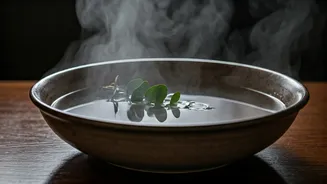
ritual: soaking feet in hot water for 15 to 20 minutes. She posits that this practice, particularly beneficial for individuals over 50, holds significant science behind it. The purported benefits include the expansion of blood vessels, enhanced circulation, and a calming effect that reduces stress. Adding Epsom salt, she suggests, can further improve sleep quality. Shah expresses strong confidence in the efficacy of this simple, accessible method for mitigating stroke risk.
Expert Medical Viewpoint
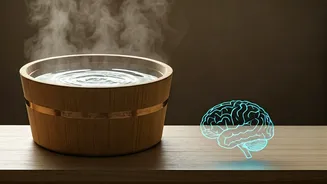
However, the medical community offers a more cautious perspective on the stroke prevention claims associated with warm foot soaks. Dr. Pankaj Agarwal, a leading neurologist, states that while warm water foot soaks can provide temporary relaxation and comfort, there is no concrete scientific evidence to substantiate their ability to prevent strokes. He emphasizes that strokes are severe medical events stemming from interrupted brain blood flow, primarily influenced by factors like high blood pressure, diabetes, elevated cholesterol, smoking, and lifestyle choices. The established methods for stroke risk reduction involve consistent medical check-ups, a balanced diet, regular physical activity, and adhering to prescribed medications, rather than relying on home remedies.
Understanding Circulation & Stress
According to Dr. Agarwal, the temporary improvements in circulation and stress reduction some individuals experience from warm foot soaks are localized and transient. These effects do not penetrate to the deeper arteries or significantly impact the brain's blood supply, which are the critical areas for stroke prevention. While Epsom salt might offer mild muscle relief and aid sleep, it plays no direct role in preventing strokes. He strongly advises caution regarding unsubstantiated health claims circulating online and urges individuals, especially those over 50, to seek professional medical advice and avoid substituting established medical care with unverified practices.
Traditional Roots & Modern Context
Dr. Amit Saraf, an internal medicine specialist, notes that warm water therapy has historical roots in traditional Japanese and Chinese medicine, where it was believed to harmonize energy and improve blood flow. The ritual's inherent relaxation component can lead to a reduction in stress hormones and a slight decrease in blood pressure. Since these factors are indirectly associated with stroke prevention, the practice may contribute to a feeling of well-being. Nevertheless, Dr. Saraf clarifies that this does not replace the essential medical interventions and lifestyle modifications that are crucial for safeguarding heart and brain health.
SMART Stroke Prevention
Dr. Saraf outlines a well-established framework for stroke prevention, encapsulated by the SMART acronym. This strategy begins with 'Stop smoking,' which is non-negotiable. 'Consume meals that are healthy' emphasizes avoiding junk and fried foods. 'Lead an active lifestyle' promotes regular physical activity like walking and running, countering a sedentary existence. Finally, 'Get regular checkups done' involves monitoring weight, blood pressure, cholesterol, and sugar levels, alongside adherence to any prescribed treatments for these conditions. This comprehensive approach forms the cornerstone of effective stroke risk management.
Precautions for Certain Conditions
For individuals with pre-existing medical conditions, participating in warm water foot soaks requires careful consideration. Dr. Saraf advises individuals with diabetes or peripheral neuropathy to meticulously check water temperature, as even mildly hot water can cause burns if foot sensation is compromised. Furthermore, people suffering from severe varicose veins or heart failure should refrain from prolonged hot water immersion. These precautions are essential to ensure the practice does not inadvertently lead to adverse health outcomes for vulnerable populations.