






Customer's Shocking Discovery
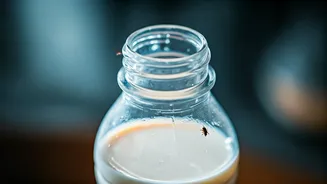
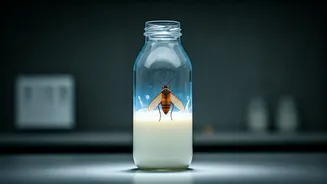
A prominent author recently shared a deeply unsettling experience on social media, posting images of a milk bottle that contained an insect. This post,
directed at the milk brand, questioned their understanding of "protein," implying the unexpected addition was not a welcome one. The images quickly circulated, drawing significant attention and sparking a broader conversation among consumers about the standards of packaged food production and the vigilance required in today's market. This incident underscores the amplified scrutiny brands face, where even a single reported issue can rapidly gain widespread visibility and impact public perception, highlighting the critical need for unwavering quality control and transparent communication from manufacturers.
Brand's Initial Response
In the wake of the public outcry, the company promptly addressed the author's concern, demonstrating an immediate acknowledgment of the issue. Their initial reply, posted publicly, assured the customer that this was not the standard experience they aimed to provide. To facilitate a swift resolution, they requested specific details, including the customer's registered contact number and a clear photograph of the product. This proactive step indicated their intention to investigate the matter with urgency and commitment, aiming to resolve the situation as quickly as possible and reassure both the affected customer and the wider audience about their dedication to customer satisfaction and product integrity.
Founder's Detailed Explanation
Further elaborating on the brand's commitment to quality, the founder of the associated app shared a video from their production facility, offering a transparent glimpse into their manufacturing processes. He explained that the bottles undergo a rigorous two-stage cleaning procedure involving RO jet-sprayed water and a HEPA-filtered air jet. The entire plant operates under positive pressure, maintained by an air handling unit, to prevent external contaminants from entering. The founder's initial hypothesis suggested the insect may have become lodged in the packaging before the cleaning cycle or was not fully dislodged during the process, rather than entering through airborne means. He extended a sincere apology for the customer's unpleasant experience and pledged a thorough investigation to implement enhanced measures and prevent future occurrences, reinforcing their dedication to upholding high hygiene standards.