



The Dawn of Demand
As twilight hues paint the sky, a different kind of spectacle unfolds outside select showrooms. In cities like Bangalore, a quiet revolution is in motion:
long queues forming well before sunrise. The object of this fervent anticipation? Exquisite Mysore silk sarees. These aren't just any traditional garments; they are luxurious creations carrying a price tag that can reach upwards of ₹2.5 lakh. This surge in demand and the associated cost have ignited a fascinating conversation: has this timeless silhouette ascended to the status of India's new Birkin bag, a symbol of ultimate luxury and exclusivity?
Beyond Traditional Weaves
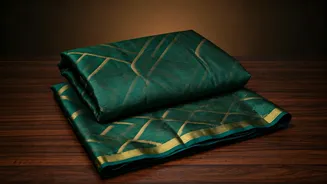
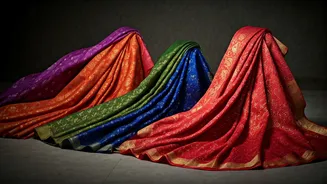
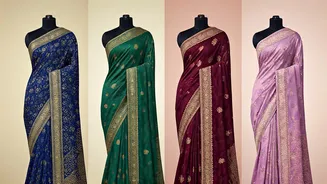
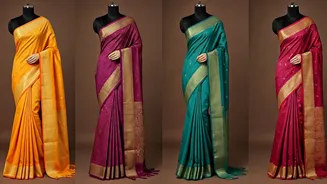
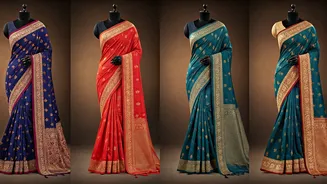
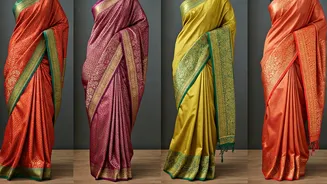
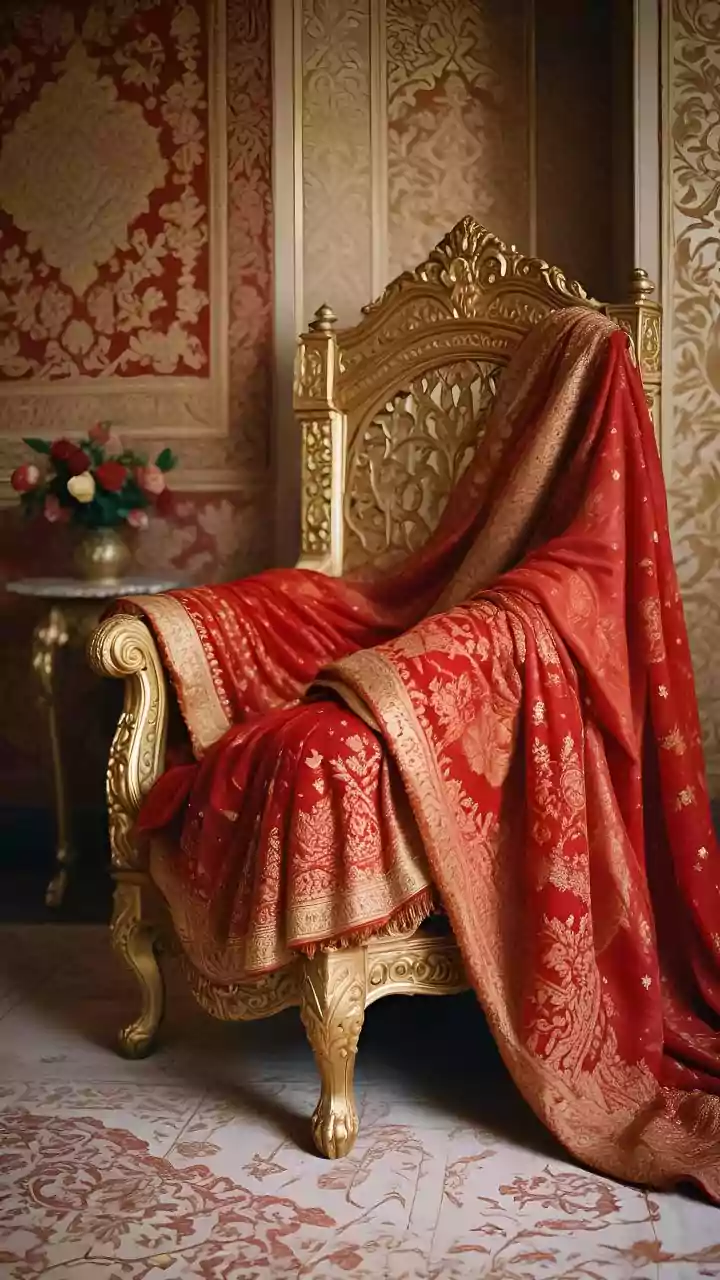
While the allure of Banarasi and Kanjeevaram silks is undeniable, a distinct obsession with Mysore silk drapes is deeply rooted, particularly among women in South India. These magnificent pieces are meticulously produced under the umbrella of the Karnataka Silk Industries Corporation, an entity with a rich history dating back to 1912, established during the reign of the Maharaja of Mysore. What sets these sarees apart from fleeting fashion trends is their inherent credibility. Each drape is woven from pure mulberry silk and meticulously embellished with genuine gold zari, a testament to quality that is officially certified and rigorously tested. This commitment to authentic materials and craftsmanship inherently justifies the substantial investment required to own one.
The Economics of Scarcity
The soaring demand for Mysore silk sarees can be understood through the fundamental principles of luxury economics. True luxury often thrives on exclusivity and limited availability, much like coveted designer handbags that boast lengthy waiting lists. Mysore silk drapes are not produced in mass quantities, nor are they readily accessible at a moment's notice. The intricate process involves significant expenditure on gold zari, the cost of which is inherently volatile, fluctuating with global bullion prices. This controlled scarcity, coupled with the fluctuating cost of precious materials, creates an artificial urgency, mirroring the 'Birkin phenomenon' where demand consistently outstrips supply, fostering an environment of anticipation and desirability.
An Investment in Gold
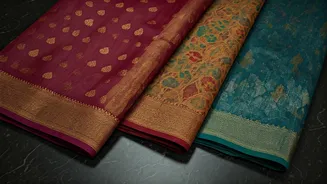
A Mysore silk saree priced at ₹2.5 lakh is far more than just an ornate garment; it's a tangible asset valued for the precious metals woven into its fabric. The intricate zari work, made from genuine gold and silver threads, significantly contributes to its overall worth. As the market price of gold continues its upward trajectory, the inherent value of these sarees tends to appreciate over time. This makes them not just a beautiful heirloom for special occasions like weddings or festivals, but a wise financial investment that can be passed down through generations, retaining and potentially increasing its worth.
Legacy Woven in Silk
Considering the elements of scarcity, premium pricing, the dedication of early morning queues, the status it confers, and its deep cultural resonance, it's evident that a 'Birkin-like' phenomenon is indeed at play in India. However, the comparison to a handbag, while capturing the exclusivity, only scratches the surface. A Mysore silk saree embodies a far more profound significance. It transcends mere fashion and exclusivity, representing the preservation of rich cultural heritage, the enduring value of gold, the artistry of traditional craftsmanship, and ultimately, a woman's identity. The unwavering resolve of those waiting at 4 AM is thus understandable; they are not merely acquiring a saree, but purchasing a legacy, a tangible piece of cultural richness steeped in threads of gold.