





Identity Woven In
Delving into the exhibition "Disobedient Objects: The Biography of Clothes," we encounter artworks that reframe textiles as potent carriers of personal
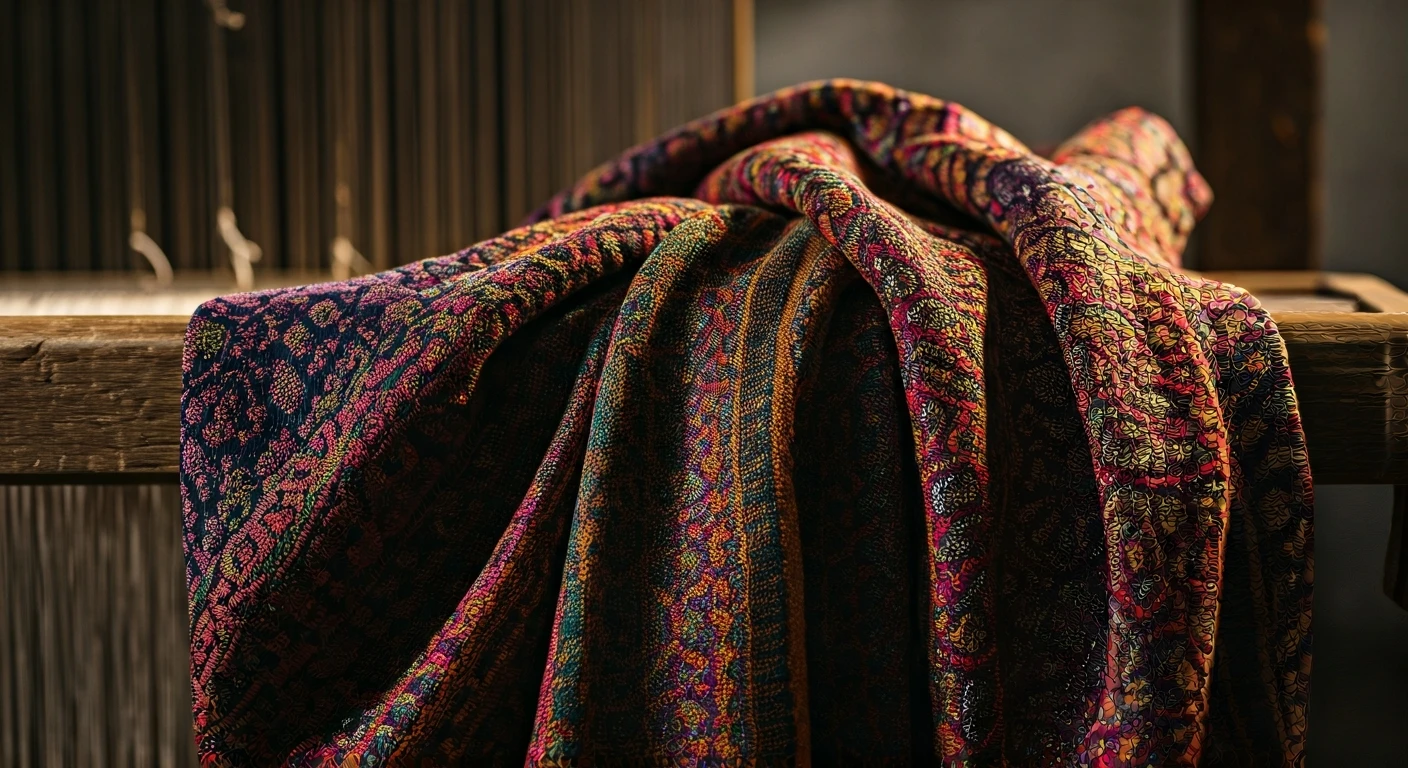
and political messages. A striking example is artist Debashish Paul's capes, crafted from delicate rice paper, a material Paul likens to the fluid and evolving nature of identity, especially his queer identity. These capes are more than just attire; they are described as 'living surfaces' that allow him to explore and express his identity in a spiritual and tender light, challenging societal perceptions of marginalization. The intricate details, including miniature clothing and Varanasi brocades, alongside charcoal and acrylic abstractions, further imbue these pieces with layers of meaning, turning the garments into profound visual metaphors for self-expression and the reclamation of identity. This section emphasizes how artists are using the very materiality of fabric to articulate complex personal narratives.
Materials and Meaning
The exhibition critically examines the choices of materials, revealing how they underpin socio-political commentary and encourage experimentation. Anuj Sharma's "Button Masala" features suspended installations made from discarded materials like trash and fabric, artfully assembled using buttons and rubber bands, eschewing traditional stitching. This technique serves as a critique of excessive consumerism and the alarming accumulation of plastic waste, offering a way to give these materials a 'dignified burial.' Similarly, Shradha Kochhar's wearable sculptures, crafted from homespun kala cotton and bamboo, draw inspiration from the traditional 'Kacchi-Ghodi' dancers of Rajasthan, highlighting folk identity and reinterpreting clothing forms. Ashita Singhal of Paiwand utilizes textile offcuts and waste materials, intricately embroidered onto wooden sculptures that represent her family members, thereby intertwining personal connection with a strong commitment to ecological sustainability and upcycling. These examples showcase how innovative material usage is central to the exhibition's discourse.
Labor's Hidden Threads
"Disobedient Objects" also sheds a powerful light on the often-unseen labor of women, particularly within the textile industry. Richa Arya's imposing 8-foot tall sculptures, fashioned from repurposed metal, depict women working in Panipat, a significant recycling hub. These artworks aim to expose the challenging work environments, meager wages, and serious health risks faced by these women, who are often exposed to toxic fumes and dense textile dust without adequate protection while dismantling garments. The laborious process of embroidering on metal itself mirrors the physical endurance required of these workers, serving as a poignant acknowledgment of their strength and resilience. Arshi Irshad Ahmadzai presents a vast scroll featuring a kurta adorned with floral motifs, created by women known as 'rafoogar' in Najibabad. This piece pays homage to their vital role in mending and repairing clothes, illuminating their stories of solidarity, sisterhood, and shared aspirations within a patriarchal framework. These contributions underscore the exhibition's commitment to revealing the human element behind fabric production.