






Unique Spot Signatures
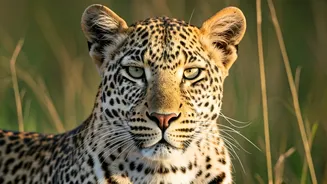
On International Leopard Day, we celebrate a truly remarkable characteristic of these stealthy predators: their one-of-a-kind coat patterns. Much like
human fingerprints, no two leopards share the exact same arrangement of rosettes. These distinctive spots are not merely for aesthetic appeal; they serve a crucial evolutionary purpose, providing exceptional camouflage amidst the dappled light of their diverse habitats. This natural artistry allows them to blend seamlessly into their surroundings, making them incredibly effective hunters and adept at evading detection from both prey and potential threats, showcasing nature's ingenious design.
Dedicated Mothers
The maternal instincts of female leopards are truly admirable, especially as International Leopard Day highlights their role in the wild. These devoted mothers typically give birth to two or three cubs at any time of the year, without a specific breeding season. They invest a significant amount of time and energy into raising their young, remaining by their cubs' side for approximately two years. During this extended period, the mother leopard diligently teaches her offspring the essential survival skills, including hunting techniques and how to navigate their environment, ensuring they are well-prepared to fend for themselves once they reach maturity and venture out on their own.
Swift, Not Fastest
While leopards are undeniably swift hunters, capable of reaching speeds of up to 58 km/h, it's important to note they don't hold the title of the fastest land animal. That distinction belongs to the cheetah, which can achieve speeds exceeding 100 km/h. Leopards, however, rely on a combination of speed and cunning rather than sheer velocity for their hunting success. Their impressive pace is a valuable asset in their predatory strategies, allowing them to cover ground quickly and surprise unsuspecting prey, but it's their overall agility and stealth that truly define their hunting prowess.
Solitary Hunters
Leopards are fundamentally solitary creatures, preferring to lead a life and hunt independently. This preference for solitude is particularly pronounced during their nocturnal activities, when they are most active. Living and hunting alone helps them minimize direct competition for resources with other large predators that often share their territories, such as lions and hyenas. Their independent nature allows them to focus on their own hunting strategies and territory management without the complexities of social dynamics, contributing to their survival and success in varied environments.
Highly Adaptable Dwellers
A truly fascinating aspect of leopards, often overlooked, is their extraordinary adaptability, making them distinct among many big cat species. Unlike many of their relatives who are restricted to specific types of environments, leopards demonstrate a remarkable ability to thrive in an astonishing array of habitats. Their range extends across dense forests, arid deserts, rugged mountains, and even the fringes of urban areas, provided there is an adequate supply of prey and suitable cover. This resilience and flexibility allow them to persist and flourish in environments where other large predators might struggle, showcasing their incredible capacity to survive and adapt.
Masters of Stealth
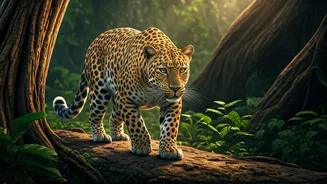
Leopards have earned their reputation as 'silent killers' due to their unparalleled mastery of stealth, a trait that truly sets them apart. They possess an uncanny ability to move with extreme quietness and precision, allowing them to approach their prey incredibly closely before launching an attack. Rather than relying solely on bursts of speed, their hunting strategy is heavily centered on their capacity for silent movement and surprise. This sophisticated approach, honed through generations of evolution, enables them to execute successful ambushes, making them one of the most effective and elusive predators in the wild ecosystem.