







The Carb-Skin Connection
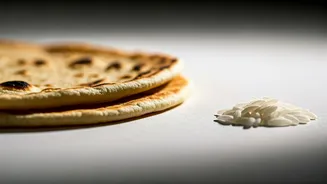
The daily debate between rice and roti, a staple in Indian households, extends beyond taste and tradition to significantly influence your skin's well-being.
For those striving for a complexion free from excess oil and persistent acne, making informed choices about your primary carbohydrate source is paramount. Primarily, focusing on whole wheat or multigrain roti as your daily go-to can offer substantial benefits by helping to maintain hormonal equilibrium and stable blood sugar levels, which are crucial for healthy skin. If you possess a strong preference for rice, opting for brown rice over its refined white counterpart is a wise alternative, offering similar skin-enhancing advantages. Integrating an abundant portion of fiber-rich vegetables alongside either roti or brown rice will further contribute to a healthier, more radiant appearance, as your skin acts as a direct indicator of your internal health.
Gut Health Matters for Skin
Your skin often mirrors the state of your digestive system. When your gut isn't functioning optimally, leading to issues like sluggish digestion or constipation, toxins can accumulate within your body. This internal buildup invariably manifests on your face, resulting in a dull complexion or the unwelcome appearance of sporadic pimples. Roti, particularly when made from whole wheat flour, plays a vital role in mitigating these issues. Its rich dietary fiber content is instrumental in ensuring smooth digestive processes and promoting consistent bowel movements, which in turn nourishes the beneficial bacteria within your gut microbiome. In stark contrast, white rice undergoes a milling process that strips away its essential fiber-rich bran and germ layers. This leaves it as a highly processed grain, offering minimal to no discernible benefits for digestive health, thereby exacerbating potential skin problems stemming from gut imbalance.
Micronutrients for Repair
For your skin's barrier to effectively repair itself and maintain its integrity, it requires a consistent supply of specific vitamins and minerals, not just superficial treatments. Whole wheat flour, being less processed than refined grains, retains a wealth of essential micronutrients that are vital for skin health. These include crucial elements like B vitamins, zinc, magnesium, and iron. These nutrients are actively involved in supporting the natural process of cellular turnover, essential for healing and rejuvenation, and in fortifying the skin's protective barrier. Conversely, the rigorous milling process applied to white rice largely eradicates these vital, skin-nourishing compounds, leaving it deficient in the very elements your skin needs to thrive and remain resilient.
Glycemic Impact on Breakouts
The Glycemic Index (GI) of the foods you consume plays a pivotal role in managing acne. White rice has a notoriously high GI, typically around 73 or higher, meaning it causes a rapid spike in blood sugar upon consumption. This quick surge triggers a significant release of insulin and a related hormone called Insulin-like Growth Factor 1 (IGF-1). Elevated IGF-1 levels can wreak havoc on your skin by stimulating androgen hormones and overactivating sebaceous glands, leading to increased oil production, clogged pores, and subsequent breakouts. Whole wheat roti, however, has a considerably lower GI, around 62. This allows for a slower, more gradual release of glucose into the bloodstream, preventing drastic hormonal fluctuations and excessive oil production, thereby promoting calmer, clearer skin.
The Brown Rice & Gluten Factor
While whole wheat roti generally holds an advantage for skin health, there are specific nuances to consider. Brown rice emerges as a strong contender, leveling the playing field. By retaining its bran and germ, brown rice boasts a lower GI and a comparable fiber profile to roti, offering similar anti-inflammatory benefits for the skin. However, the presence of gluten in roti can be a concern for individuals with celiac disease, wheat allergies, or non-celiac gluten sensitivity. In these cases, gluten intake can trigger systemic inflammation, manifesting as cystic acne, eczema, or other skin conditions. For such individuals, naturally gluten-free rice becomes the superior and safer dietary choice.