



What is Designer Rice?
CSIR-NIIST has engineered a novel rice variety termed 'Designer Rice,' a significant leap forward in nutritional fortification. This innovation centers
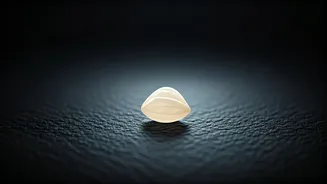
on repurposing broken rice, a component often relegated to lesser uses, and transforming it into a highly nutritious foodstuff. The process, described as 'food architecture,' involves advanced food-processing techniques rather than genetic modification. Researchers meticulously deconstruct traditional rice grains, isolating key elements like starch, protein, and fiber. These components are then strategically reassembled, with a portion of the starch being replaced by enhanced protein content and crucial micronutrients. The result is a grain that visually, texturally, and in taste, is indistinguishable from conventional rice but boasts a dramatically improved nutritional profile, specifically targeting issues of widespread protein deficiency and elevated diabetes rates in India.
Addressing India's Health Paradox
India faces a dual health challenge: being dubbed the 'diabetes capital of the world' due to the rapid blood sugar spikes caused by high-glycemic index (GI) foods like white rice, and simultaneously grappling with 'hidden hunger.' This insidious condition affects millions who consume sufficient calories but lack essential proteins and micronutrients, leading to deficiencies that undermine overall health. Designer Rice offers a sophisticated solution, directly tackling both these critical issues. By significantly lowering the GI to below 55, it ensures a slow and steady release of energy, mitigating dangerous blood sugar fluctuations. Simultaneously, it dramatically elevates the protein content, effectively combating protein malnutrition. This dual action makes it a powerful tool in improving the public health landscape of India.
The Innovation Process
The creation of Designer Rice is a testament to innovative food science, cleverly utilizing broken rice, a byproduct of the milling process. Scientists at CSIR-NIIST first reduce these broken grains into a fine flour. This flour then serves as the base for blending with essential protein and vital micronutrients, including iron, folic acid, and vitamin B12. Through sophisticated food-processing technology, this fortified mixture is then meticulously reformed into individual grains that perfectly mimic the appearance, mouthfeel, and taste of standard rice. This meticulous process avoids genetic modification, focusing instead on a physical and nutritional restructuring of the grain. The outcome is a familiar food staple elevated to an unprecedented nutritional standard, making health-conscious eating effortlessly integrated into daily life.
Superior Nutritional Benefits
Designer Rice offers a trio of compelling nutritional advantages that set it apart from conventional varieties. Firstly, its protein content is remarkably high, soaring to over 20%, a substantial increase from the typical 6-8% found in regular rice. This makes it a potent weapon against protein deficiency. Secondly, the rice boasts a significantly lower glycemic index (GI) of under 55, classifying it as a low-GI food. This characteristic ensures that it releases energy gradually, preventing sharp rises in blood sugar levels, which is particularly beneficial for individuals managing diabetes. Thirdly, it acts as a fortified defense against anemia by directly incorporating essential micronutrients like iron, folic acid, and Vitamin B12 into the grain's structure, addressing critical nutritional gaps prevalent in many diets.
Taste, Culture, and Sustainability
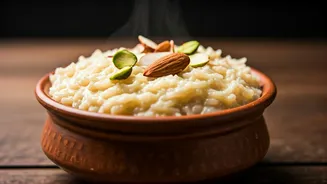
One of the most remarkable aspects of Designer Rice is its ability to enhance nutrition without demanding any cultural or dietary shifts from consumers. Dr. Anandharamakrishnan highlights that it tastes even better than regular rice due to its increased protein content. This means individuals can continue enjoying their beloved rice dishes, from biryani to pulao, while unknowingly consuming a vastly superior nutritional package. This approach avoids the need to switch to less familiar or more expensive alternatives like quinoa. Furthermore, the process champions a circular economy by ingeniously using broken rice, a hitherto underutilized byproduct of rice milling. This not only adds value for farmers but also promotes sustainable practices by transforming waste into a valuable, health-boosting resource for the nation.