




Bandhgala's New Form
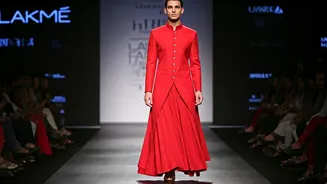
The Bandhgala, a classic Indian garment, has undergone a significant transformation. Once a symbol of traditional formality, it is now being reimagined
with a modern twist. Designers are experimenting with unconventional fabrics, cuts, and embellishments, providing a futuristic aesthetic. This shift moves beyond mere adaptation; it signifies a complete re-evaluation of the Bandhgala's identity. Tailoring plays a crucial role in this transition. By incorporating contemporary tailoring techniques, designers are crafting Bandhgalas that are both elegant and comfortable, suitable for a new generation that is fashion-conscious. The focus is on clean lines and a streamlined silhouette, making the garment a versatile piece that can be styled for various occasions, from formal events to everyday wear.
Fusion's Impact on Style
Fusion, the blending of traditional and modern elements, is having a massive impact on the evolution of ethnic wear. This approach is evident in the designs where classic silhouettes are paired with contemporary details. For instance, a traditional kurta might be styled with modern trousers or a Bandhgala could incorporate futuristic design elements. It is not just about the garments; accessories are also essential to the trend. Combining traditional jewelry with modern designs or incorporating contemporary footwear completes the look. This fusion approach encourages personal expression and makes ethnic wear more accessible. It represents a celebration of heritage while embracing modernity, making it a very appealing option for today's fashion-forward individuals. This approach demonstrates how tradition can be updated and reinterpreted for a new era.
Modern Fabrics Emerge
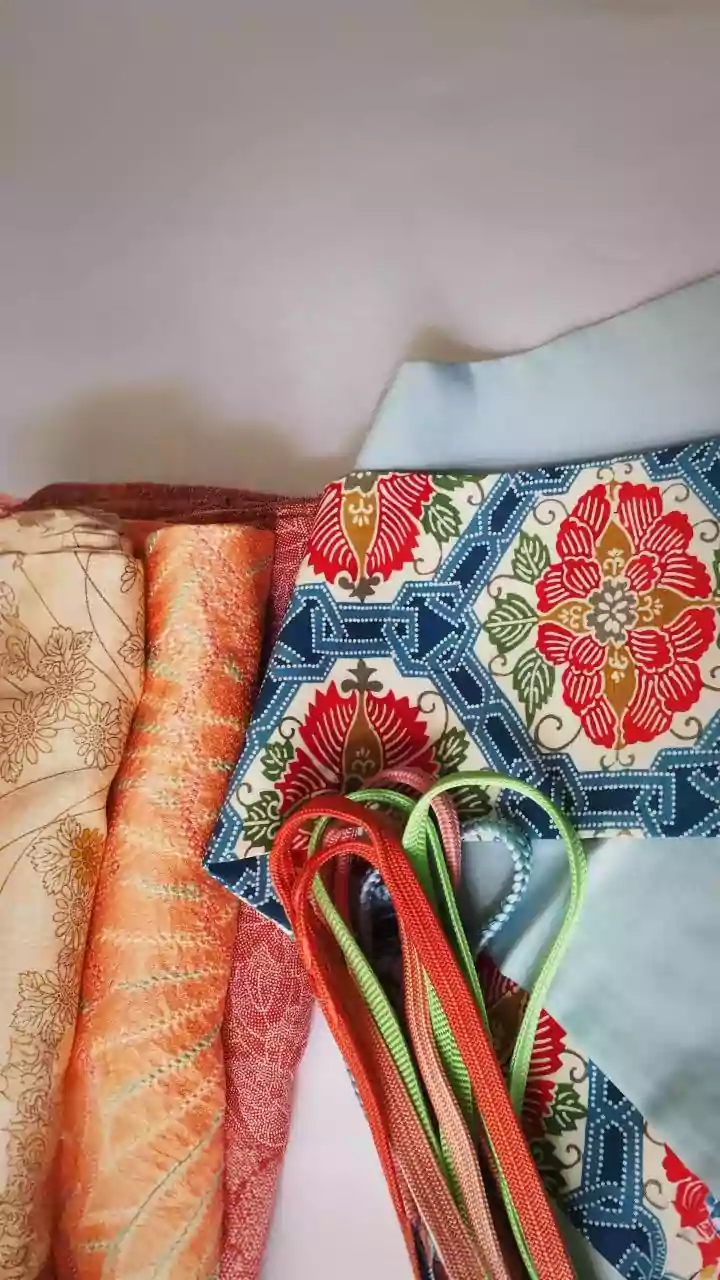
Fabric choices are central to the new-age ethnic wear trend. Traditional fabrics, such as silk and brocade, are now being juxtaposed with contemporary materials like technical textiles, neoprene, and innovative blends. This use of different materials alters the garments' aesthetic and performance. Technical textiles bring a modern, futuristic vibe to the garment, offering enhanced breathability, durability, and comfort. The incorporation of these fabrics also encourages experimentation with textures and finishes, allowing designers to create unique and eye-catching pieces. This trend indicates a shift in the fashion industry to find innovative ways to incorporate performance-based, modern materials into the construction of traditional garments. These modern fabrics not only add a new dimension to ethnic wear but also reflect the changing demands of consumers who seek style, functionality, and comfort in their attire.
Tailoring and Fit
Contemporary tailoring techniques are critical to the evolution of ethnic wear. Modern Bandhgalas and other traditional garments often feature streamlined silhouettes and precise cuts that create a sophisticated, modern aesthetic. The focus on fit is also a key aspect. Garments are designed to fit the body comfortably and elegantly. Designers are also experimenting with unconventional construction methods, such as laser-cut detailing, bonded seams, and 3D printing, to create futuristic garments. Modern tailoring ensures that traditional clothing fits the needs of a contemporary lifestyle, making these garments versatile for a variety of settings. This attention to detail highlights how traditional crafts and modern techniques can work together to produce garments that are aesthetically beautiful, functional, and durable.
Looking Ahead: Future
The future of ethnic wear is bright. Designers are increasingly exploring new ways to blend traditional elements with modern aesthetics and technologies. The trend toward personalized, customized garments is expected to grow. People want attire that reflects their individuality and preferences. Sustainable practices will play a significant role. With a greater emphasis on eco-friendly materials and ethical manufacturing processes, the industry will evolve. Collaboration among designers, artisans, and technology experts will lead to innovative garments that fuse style, comfort, and functionality. This transformation will create a more inclusive and dynamic fashion landscape that celebrates heritage, embraces modernity, and responds to the demands of an evolving world.