







The Remote Work Toll
The shift to widespread remote work, while offering flexibility, has introduced unforeseen health challenges for many professionals, particularly in India's
tech industry. A recent viral post on Reddit by a software engineer vividly illustrates these struggles, detailing persistent tiredness, bouts of dizziness, a noticeable dip in concentration, and a waning enthusiasm for work, even when adhering to a structured daily schedule. This engineer, experiencing their first prolonged period of remote employment over four months, expressed profound concern that their current work-from-home setup is significantly impacting both their physical and mental well-being, leading them to question if their routine is flawed or if remote work itself is simply incompatible with their personal needs. The sentiment has struck a chord within the developer community, with numerous individuals sharing similar experiences and validating the engineer's concerns about the hidden drawbacks of prolonged isolation and sedentary work environments.
Environmental Impact on Energy
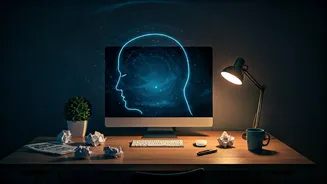
A critical factor contributing to the engineer's profound fatigue and diminished focus is their immediate work environment, specifically the severe lack of natural light. The engineer detailed in their post that their dedicated workspace is a room with no windows, featuring only a door, due to its proximity to a neighboring unit. This arrangement results in an absolute absence of sunlight throughout the entire workday. The prolonged exposure to artificial lighting and the complete deprivation of natural sunlight are suspected to be significant contributors to their low energy levels, impaired concentration, and overall mood disruption during working hours. This environmental constraint highlights a crucial, often overlooked, aspect of home office setups and its direct correlation with an individual's physical and psychological state throughout the day, suggesting a need for reassessment of home office designs.
AI's Evolving Role
The nature of daily coding tasks has also undergone a significant transformation due to the increasing integration of artificial intelligence tools, such as Claude and Cursor, into the workflow. The engineer noted that the AI's capability to handle substantial portions of coding work has diminished the feeling of 'intense' or deeply engaged development. Consequently, team collaborations primarily occur only when individuals encounter specific roadblocks. Even personal endeavors to enhance skills, like undertaking online courses, lead to quick feelings of boredom after only a few lectures. This shift indicates a potential disconnect for some professionals who thrive on the challenges and problem-solving inherent in traditional development cycles, suggesting that while AI enhances efficiency, it may inadvertently reduce opportunities for deep, satisfying work and skill progression for certain individuals.
The Social Isolation Factor
Beyond the physical exhaustion, the engineer also brought to light the emotional consequences stemming from extended periods of remote work, particularly for someone who identifies as naturally social. The absence of face-to-face interactions and the reduced opportunities for spontaneous social engagement have exacerbated feelings of fatigue and a lack of motivation during the workday. While the engineer has recently started incorporating gym visits to mitigate these issues, the persistent symptoms of dizziness and poor focus continue to affect them. This underscores the critical role of social connection and human interaction in maintaining mental well-being and combating the isolating effects that can arise from a predominantly remote work environment, suggesting that social health is as vital as physical health.
Seeking Health Solutions
Prompted by these persistent and concerning symptoms, the engineer raised questions about potential underlying health issues that might be linked to their work-from-home lifestyle. They specifically pondered whether prolonged indoor confinement without adequate sunlight could be contributing to deficiencies, such as Vitamin D or iron deficiency. This introspection led them to seek advice from the online community, asking if others had encountered similar extreme fatigue and dizziness associated with remote work and whether consulting a general physician would be a prudent step. The engineer's proactive approach and openness about their health concerns have initiated a broader dialogue online, encouraging others to reflect on their own remote work experiences and potential health impacts.