
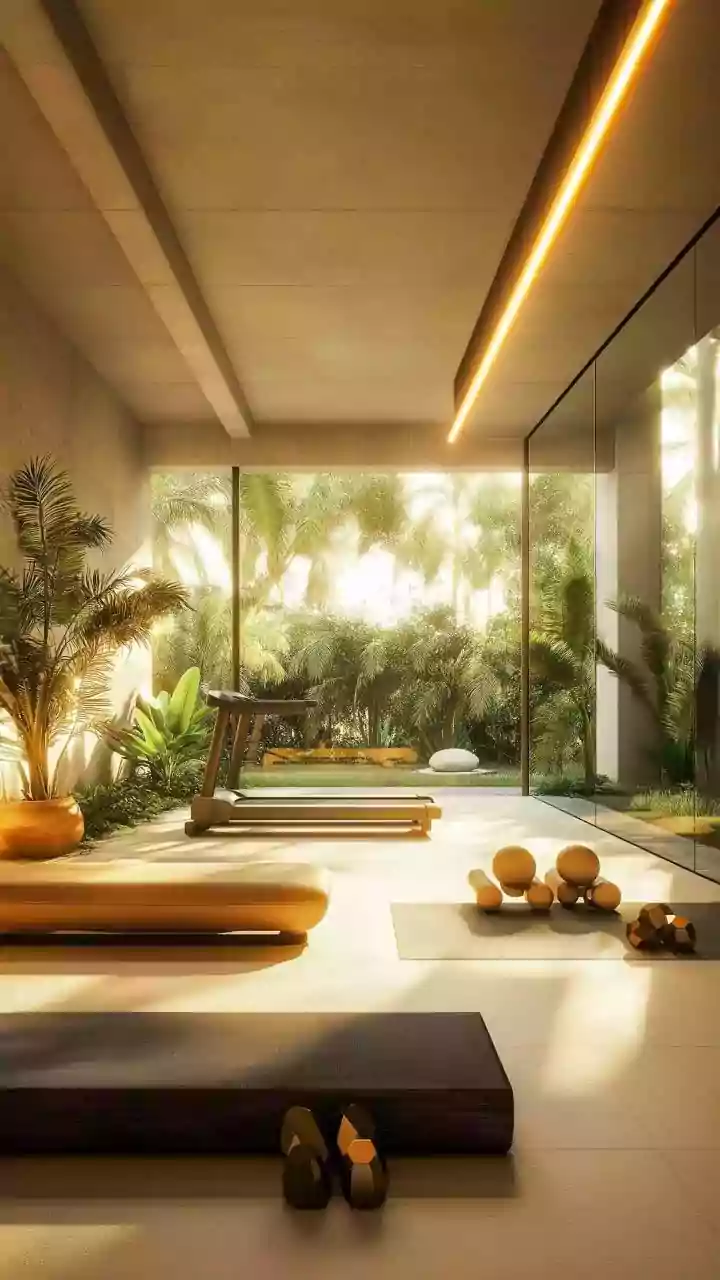



The New Lighting Paradigm
For too long, lighting in Indian homes and commercial buildings was an afterthought, a decorative element added after the main design decisions were made.
This approach is now outdated. Modern lighting science and user expectations demand a more integrated perspective. Today, light is recognized as a potent design element that profoundly influences how a space looks, feels, and operates. It impacts our physiology, mood, and behavior, extending beyond simple visibility to shape our overall experience. With increasingly urbanized and indoor lifestyles in India, lighting choices are becoming a crucial and fundamental aspect of contemporary architectural planning, moving from a passive feature to an active contributor to our living and working environments.
Light's Biological Influence
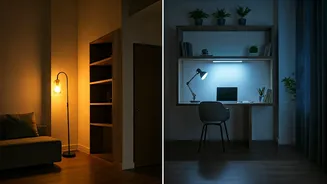
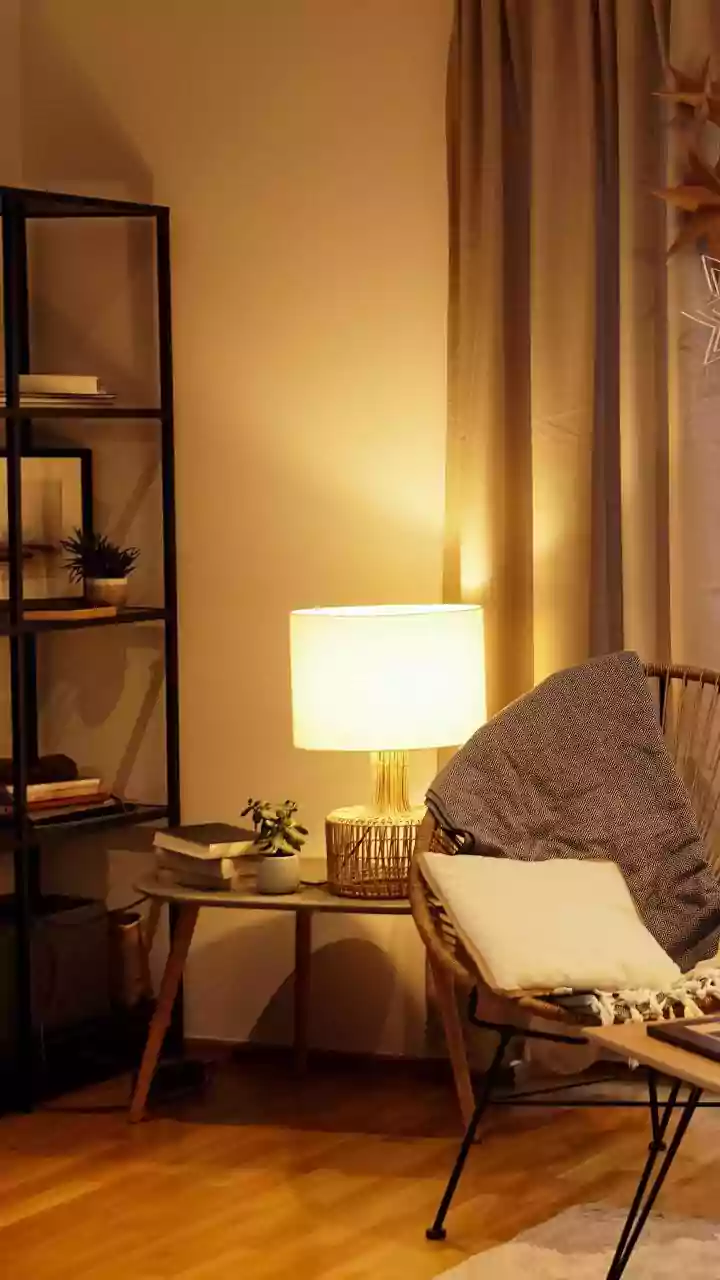
Scientific research, particularly in chronobiology, clearly shows that our bodies are deeply responsive to light exposure. The human circadian system, our internal biological clock, relies on variations in light's intensity and color temperature to regulate essential functions such as sleep-wake cycles, alertness levels, hormone secretion, and cognitive capabilities. For instance, bright, cool-toned light in the morning aids concentration and focus, while warmer, less intense light in the evening signals the body to prepare for rest. When indoor environments fail to adhere to this natural rhythm, it can lead to chronic fatigue, disrupted sleep patterns, and heightened stress levels. This isn't merely a theoretical concept; it's a tangible issue reflected in the widespread reports of persistent tiredness among urban populations, even when they claim to get sufficient sleep.
Creating Calming Environments
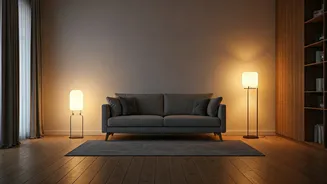
Often, the challenge with interior lighting isn't a lack of brightness but rather its improper calibration. Excessive glare, stark contrasts between light and shadow, and uniformly illuminated ceilings can force our eyes and brains into a state of constant adaptation, leading to mental exhaustion. Comfort is frequently confused with mere brightness, but true visual comfort and a sense of balance are achieved through controlled luminance levels, precise beam angles, and the strategic layering of light sources. When these elements are thoughtfully integrated, a space not only appears visually superior but also feels effortlessly calm and mentally soothing. While users might not pinpoint the exact technical reasons, they can certainly sense a reduction in visual strain and an overall improvement in their experience of the environment.
Light's Emotional Impact
The profound influence of light on human emotions and behavior is powerfully illustrated by an initiative in Japan. Starting in 2009, the East Japan Railway Company began installing blue LED lights at the ends of train platforms along the Yamanote Line. The specific intention behind this measure was to reduce suicide incidents. A comprehensive, peer-reviewed study analyzed ten years of data from 71 stations and revealed a remarkable correlation: this simple lighting intervention was associated with an approximate 84% decrease in platform suicides. Crucially, the study found no evidence that individuals were redirecting their attempts to nearby, unlit stations. Researchers attribute this significant effect to the inherently calming and mood-regulating properties of blue light wavelengths. This strategy has since been adopted in transit systems across Scotland, England, Belgium, and New York City, serving as a compelling testament to light's capacity to influence human feelings, even in the most critical moments.
The Shift to Wellbeing
The Indian market, particularly in the premium residential, hospitality, and commercial sectors, is undergoing a notable transformation. Clients are increasingly sophisticated, posing informed questions about lighting solutions. Architects are proactively incorporating circadian design principles into their early planning stages. Developers are recognizing that the quality of lighting directly contributes to the perceived value and luxury of a space, as well as the overall wellbeing of its occupants. This year signifies a pivotal transition from lighting solutions focused primarily on utility to those centered on human experience and wellbeing. Key design trends driving this evolution include the implementation of layered lighting schemes rather than relying on single light sources, a greater preference for indirect and glare-controlled fixtures, the adoption of tunable white systems that can adjust to the time of day, and the use of scene-based controls to support diverse activities within the same area.
Technology Meets Design
The lighting industry now has access to a robust suite of technological advancements, including highly efficient LEDs, sophisticated optical systems, and increasingly intelligent control technologies. From a purely technical perspective, the tools necessary to construct responsive lighting environments are largely available. The primary challenge often lies in the practical application and integration of these technologies. Human-centric lighting requires a rigorous approach, encompassing meticulous lux planning, high color rendering capabilities, effective glare management, and precise placement of lighting fixtures. Without this level of technical discipline and thoughtful execution, even the most premium lighting installations can fall short of delivering optimal comfort and performance for occupants.
Future of Lighting in India
India is entering a new era where the evaluation of lighting solutions will extend beyond mere energy efficiency to encompass their direct impact on human wellbeing. As awareness regarding sleep quality and mental load continues to grow, lighting is poised to assume a more central role in architectural decision-making processes. The industry must collectively move beyond viewing lighting as a mere commodity or a decorative accessory. Instead, it should be recognized as a vital enabler of healthier, more responsive built environments that significantly contribute to how effectively people can live, work, concentrate, and rejuvenate within their spaces.