




Understanding Khiru
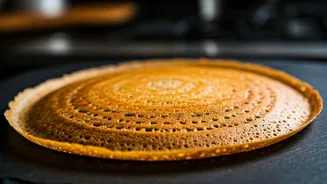
In many Indian households, the preparation of fermented foods like dosa batter is a regular culinary practice. The process of soaking, grinding, and fermenting
rice and lentils is generally straightforward, but its success hinges significantly on fermentation duration, ambient temperature, and storage conditions. When executed properly, fermentation enhances the taste, texture, and digestibility of food. However, if the batter is left out for extended periods or stored improperly, it can spoil. In some regions, the term "khiru" is used to describe batter that has gone bad or undergone undesirable changes during the fermentation process. Initially, these changes might not be obvious, with the batter appearing normal. Over time, however, it can develop an off-putting odor, an unpleasant texture, or even foster the growth of harmful microorganisms. Recognizing what constitutes "khiru" and identifying its early indicators is crucial for preventing foodborne illnesses and avoiding unnecessary waste of ingredients.
Causes of Khiru
Several factors can contribute to dosa batter turning into "khiru." Foremost among these is over-fermentation, which occurs when the batter is left at room temperature for too long. This extended exposure accelerates the metabolic activity of the microorganisms, leading to an excessively sour taste and a breakdown in the batter's structure. High temperatures and humidity also play a significant role; fermentation proceeds much more rapidly in warm environments. If the batter is not promptly refrigerated in such conditions, it can spoil considerably faster. Suboptimal storage conditions, such as using unclean containers or leaving the batter uncovered, create an environment conducive to the proliferation of unwanted microbes, thereby hastening spoilage. Furthermore, cross-contamination, often through the use of wet utensils or by mixing fresh batter with an old, potentially spoiled batch, can introduce harmful bacteria and accelerate the spoilage process.
Detecting Spoiled Batter
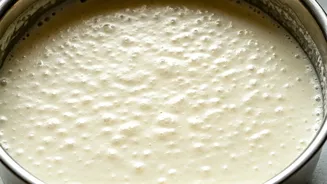
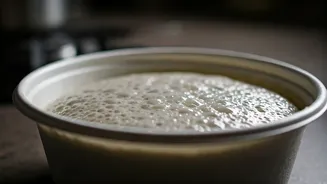
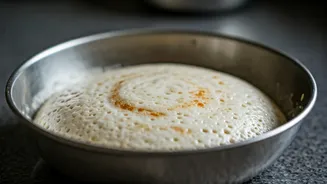
Identifying "khiru" in your dosa batter involves paying close attention to sensory cues. While freshly fermented batter naturally possesses a mild sour aroma, a strong, acrid, or foul smell is a definitive sign that it has gone bad and is no longer safe for consumption. The texture of the batter also provides clues; good batter should be smooth with a slight fluffiness, whereas spoiled batter may become excessively watery, unpleasantly thick, or develop noticeable lumps. Anomalous changes in color are another critical indicator. The appearance of black, green, or grey spots typically signifies mold growth, making the batter unsafe. Taste is also a reliable indicator; while a little sourness is expected, an overly sour or bitter flavor suggests that the batter has fermented too far. Excessive gas bubbles or a clear layer of liquid on top, beyond the usual signs of fermentation, can also suggest that the fermentation process has gone beyond the desirable stage.
Health Hazards
Consuming dosa batter that has succumbed to "khiru" poses significant health risks. The proliferation of undesirable bacteria and fungi can produce toxins that, when ingested, can lead to various forms of food poisoning. Symptoms may include nausea, vomiting, diarrhea, and stomach cramps. Such health implications underscore the importance of adhering to food safety guidelines. Both the Food Safety and Standards Authority of India (FSSAI) and the World Health Organization (WHO) consistently emphasize the critical need for proper storage of fermented foods and strongly advise against the consumption of spoiled items. These organizations' recommendations serve as a stark reminder of the potential dangers associated with eating food that has undergone unsafe fermentation or spoilage.
Preventing Khiru
To effectively prevent your dosa batter from turning into "khiru," a few key practices are essential. Prompt refrigeration is paramount; once the batter has achieved the desired level of fermentation, it should be immediately placed in the refrigerator to significantly slow down the microbial activity. Maintaining impeccable hygiene is also crucial. Always use thoroughly clean and dry utensils and containers to avoid introducing contaminants that can accelerate spoilage. Ensuring the container is well-covered is another preventive measure, as it minimizes exposure to airborne germs and the external environment. It is also advisable to avoid mixing old batter with a fresh batch, as this can introduce unwanted microbes and negatively impact the quality and safety of the new preparation. Finally, mindful monitoring of fermentation time, which can range from 6 to 8 hours in warm conditions, is key to stopping the process before it becomes excessive.