


What is French Blending?
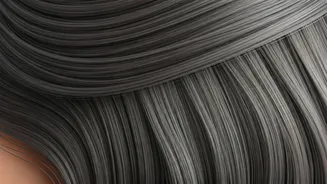
French blending represents a paradigm shift in hair coloring, moving away from aggressive coverage of gray strands towards an appreciation of natural silver.
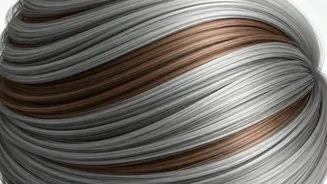
Developed as a bespoke approach, this technique, pioneered by L’Oréal Professionnel, focuses on subtly diffusing gray hair rather than hiding it. Instead of a stark root cover-up, it gently softens the contrast at the hairline and weaves lighter and darker tones throughout the hair's length. This creates a dimensional and seamlessly integrated look that feels entirely personalized. The core philosophy embraces what is already present, enhancing natural tones and texture without fighting against them. It's about achieving a softer, more believable outcome that celebrates individuality and movement. Gigi Di Rosa of Palette & Bristle emphasizes that it's about 'elevating the natural, not masking it,' leading to a feel that is both softer and more authentic. This method is particularly suited for individuals who wish to complement their existing white hair rather than completely obscure it, fostering a sense of collaboration with one's natural color pattern.
Benefits of This Technique
The advantages of adopting the French blending technique are numerous, offering a more refined and confidence-boosting way to manage gray hair. It sidesteps the common anxieties associated with harsh regrowth lines and the unnatural flatness that can arise from traditional gray coverage methods. Adam Reed, founder of Arkive, describes the outcome as a 'much softer, more elevated finish, with movement, tone, and variation, rather than a flat, one-dimensional color.' A significant benefit is the natural evolution of the color; as it grows out, it blends seamlessly and gracefully with the existing hair, avoiding the stark demarcation often seen with root touch-ups. This leads to a far more manageable maintenance routine. While the initial salon visit might be more time-consuming and potentially costly, the extended longevity of the results and the reduced need for frequent salon appointments translate into long-term savings in both time and money. Furthermore, French blending contributes positively to hair health. By carefully tailoring the color application to specific sections based on the natural graying pattern, the technique minimizes over-processing and unnecessary damage, resulting in healthier, shinier hair with a naturally dimensional appearance.
The End Result
The beauty of French blending lies in its inherent customizability; no two results are ever precisely alike, reflecting the unique characteristics of each individual's hair. Factors such as the proportion of gray, the natural base color, and the hair's overall condition all play a crucial role in dictating a bespoke application process. Therefore, entrusting the technique to a skilled colorist is paramount, as their expertise will guide the harmonious integration of tone, texture, and coverage. As Adam Reed points out, 'On lighter hair, it can appear almost imperceptible. On darker bases, it softens contrast and lends a sense of intention to gray.' The ultimate aim is for the modification to feel like a deliberate choice, not an attempt to conceal something. When executed masterfully, it can profoundly alter an individual's perception of their gray hair. This emotional transformation is a cornerstone of the technique, as highlighted by Gigi Di Rosa: 'When someone sees their gray differently, as something refined rather than something to hide, it changes everything.' The final outcome should evoke a sense of effortlessness, coupled with empowerment, marking a subtle yet significant evolution in hair coloring—shifting from correction to curation and viewing gray hair not as a problem to be managed, but as a tonal asset to be refined and enhanced.