





The Banarasi Saree
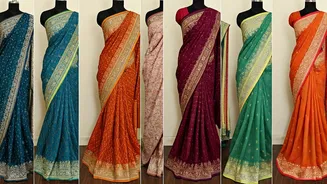
The Banarasi saree, originating from Varanasi, Uttar Pradesh, is celebrated for its opulent silk and intricate zari work. Traditionally worn during weddings
and significant celebrations, these sarees feature elaborate floral or Mughal-inspired motifs woven with gold or silver threads. The weaving process is labor-intensive, often taking weeks or months to complete a single saree. Identifying a genuine Banarasi saree involves looking for specific characteristics: the sheen of pure silk, the density of the weave, and the quality of the zari. A true Banarasi saree will feel substantial and have a rich, luxurious drape. The intricate motifs reflect the heritage of skilled artisans, making each saree a wearable work of art, perfect for any special occasion. The cost reflects the time and skill invested in its creation. Furthermore, look for a hallmark or certification to ensure authenticity.
The Kanjeevaram Silk
Hailing from Kanchipuram, Tamil Nadu, the Kanjeevaram silk saree is known for its vibrant colours, durability, and bold designs. The silk used in Kanjeevaram sarees is of exceptional quality, and the zari work often incorporates real gold. The motifs are typically inspired by temples, nature, and geometric patterns, reflecting South Indian cultural influences. Kanjeevaram sarees are often passed down through generations, representing a legacy of elegance and tradition. The process involves weaving the body, border, and pallu separately and then interlocking them, a technique that adds to the saree's strength and longevity. These sarees are often heavier than others due to the quality of the silk and zari. The motifs are often large and bold, creating a striking visual impact. They are a popular choice for weddings and festivals, epitomizing South Indian bridal wear.
The Patola Saree
The Patola saree, originating from Patan, Gujarat, is known for its intricate double ikat weaving technique, where both the warp and weft threads are dyed before weaving. This creates complex and vibrant designs that appear identical on both sides of the fabric. The Patola saree's motifs often include geometric patterns, floral designs, and animal figures. Making a Patola saree is a complex process, with each step requiring extreme precision. It can take several months to create a single saree, making them highly prized and expensive. The vibrant colours and intricate patterns are a testament to the skill and artistry of the weavers. Patola sarees are often considered heirlooms and are symbols of status and elegance, frequently worn during auspicious occasions such as weddings and festivals.
The Chanderi Saree
Chanderi sarees, from Madhya Pradesh, are celebrated for their sheer texture, lightweight feel, and delicate motifs. Woven with silk and cotton yarns, they often feature intricate borders and fine zari work. The designs frequently include floral patterns, peacocks, and geometric shapes, adding an elegant touch. Chanderi sarees are available in various styles, including Chanderi silk, cotton silk, and pure cotton, each offering a distinct feel and drape. Their light weight makes them comfortable for everyday wear, and they're suitable for both casual and formal events, particularly in warmer climates. The subtle sheen and intricate details give Chanderi sarees an understated elegance, making them a versatile addition to any wardrobe.
The Mysore Silk
Mysore silk sarees, from Karnataka, are known for their pure silk fabric and understated elegance. The sarees are characterized by their smooth texture, lustrous finish, and vibrant colours. Simple, solid colours are often paired with zari borders, creating a classic and timeless look. The silk used in Mysore sarees is produced in the region, ensuring high quality and durability. Mysore silk sarees are ideal for both everyday wear and special occasions, offering a sophisticated and graceful appearance. The focus on quality and simplicity makes them a versatile choice, easily adaptable to various styling preferences. The clean lines and rich colors provide a timeless appeal that endures across fashion trends.
The Bandhani Saree
Bandhani sarees, originating from Gujarat and Rajasthan, are distinguished by their tie-and-dye technique. The fabric is tied in numerous tiny knots and dyed, creating intricate patterns like dots, waves, and floral designs. Bandhani sarees come in a wide range of colours, and the patterns vary based on the region and the skill of the artisan. The process of making a Bandhani saree is labor-intensive, requiring meticulous skill and precision to tie and dye the fabric. Bandhani sarees are often worn during festivals and celebrations, and they hold cultural significance in many Indian communities. Each design tells a story, making them more than just garments.
The Kota Doria
Kota Doria sarees, from Rajasthan, are renowned for their unique square check pattern and lightweight feel. These sarees are woven with cotton, silk, and zari threads, giving them a delicate and airy texture. The transparency of Kota Doria fabric is a distinctive feature. The square check pattern adds a subtle visual appeal. Kota Doria sarees are comfortable to wear, making them suitable for the Indian climate. They are ideal for summer and can be styled for various occasions, from casual outings to festive gatherings. The subtle elegance and lightweight quality make them a versatile choice for any wardrobe.
The Paithani Saree
Paithani sarees, originating from Maharashtra, are recognized for their vibrant colours, intricate motifs, and peacock designs. These sarees are woven from fine silk and often feature zari work, which adds to their opulence. The pallu is often the most elaborate part, showcasing elaborate peacock and floral patterns, reflecting the rich cultural heritage. Paithani sarees are often worn during weddings and festivals, representing a symbol of tradition and status. The production involves a complex weaving process, with skilled artisans creating detailed patterns that take considerable time and effort. The vibrant colors and elaborate designs make these sarees a timeless choice for special occasions.
The Uppada Saree
Uppada sarees, from Andhra Pradesh, are known for their fine weaving and lightweight, delicate feel. Made using the Jamdani technique, these sarees often feature intricate floral and geometric motifs woven with silk and zari. The transparency and airy texture of the fabric make them comfortable to wear in warm climates. The weaving process is labor-intensive, demanding skilled artisans to create the detailed patterns. Uppada sarees are suitable for various occasions, from everyday wear to formal events, offering a blend of elegance and comfort. Their delicate appearance and intricate designs make them a special addition to any saree collection, reflecting a sense of refined taste.
The Tussar Silk
Tussar silk sarees are distinguished by their natural golden hue, coarse texture, and rustic charm. Made from a type of silk produced by a wild silkworm, Tussar silk offers a unique texture and drape. The sarees often feature simple designs, emphasizing the natural beauty of the silk. Tussar silk sarees are available in various styles, including plain, printed, and embroidered. They are suitable for both formal and casual occasions, offering a sophisticated yet understated look. The natural texture and earthy colours make Tussar silk sarees a versatile choice, providing comfort and elegance. The natural sheen and unique texture of the silk make them a distinctive addition to any saree collection, celebrating the beauty of Indian textiles.