







Initial Assessment
The journey began with assessing the existing condition of the 2 BHK DDA flat. The initial state would have involved a careful examination of the layout,
structural elements, and the overall aesthetic. The owners would have likely identified areas needing improvement, such as outdated features, inefficient space utilization, or a lack of natural light. This phase might have included creating a detailed inventory of existing furniture and fixtures, which would have informed decisions about what to keep, repurpose, or replace. They likely considered their lifestyle needs and preferences to ensure the renovation aligned with the functional requirements of the occupants. The budget would have been established at this stage, laying the groundwork for cost-effective choices throughout the project.
Planning & Design
Following the assessment, the focus would have shifted to meticulous planning and design. This would involve developing a comprehensive design plan that addressed the identified issues and incorporated the owners' vision for their new home. Key considerations would have included space optimization techniques to maximize the functionality of each area. The planning stage probably involved selecting the color palettes and materials. Lighting design would have played a pivotal role, with careful consideration given to both natural and artificial light sources to enhance the ambiance. Detailed architectural drawings or 3D renderings may have been created to visualize the final outcome. All the planning would have been undertaken keeping in mind the need for cost-effectiveness and the specific challenges presented by the existing structure.
Flooring & Walls
Significant attention would have been dedicated to the flooring and walls during the makeover. The transformation often began with updating the floors, perhaps opting for affordable yet stylish options like tiles, laminate, or vinyl. The choice of flooring would have been crucial for defining the overall aesthetic and durability. Wall treatments would have included painting, wallpapering, or applying decorative finishes. The color schemes would have been carefully selected to create a sense of spaciousness, brightness, and visual harmony. The surfaces would have been prepped appropriately to ensure the longevity of the new finishes. The placement of accent walls and the integration of textured surfaces may have been used to add depth and visual interest throughout the home.
Kitchen Makeover
The kitchen often serves as the focal point of a home, and its renovation would have been a significant aspect of the project. The kitchen could have involved replacing outdated cabinets with more modern and functional designs. The countertop materials would have been selected for aesthetics, durability, and cost-effectiveness. A fresh coat of paint or new tiles for the backsplash would have significantly enhanced the look of the area. Upgrading appliances could have been considered, or the existing ones could have been integrated to save on costs. Efficient lighting solutions, such as under-cabinet lights, would have been implemented to improve both functionality and ambience. The layout would have been optimized to maximize the available space and create a streamlined cooking area.
Bathroom Renovation
The bathroom makeover probably focused on updating fixtures, such as the toilet, sink, and shower. The selection of tiles and wall treatments would have been critical for creating a clean and refreshing atmosphere. The addition of storage solutions, like a new vanity or shelving units, would have helped to declutter the space. Upgrading the lighting would have further enhanced the functionality and comfort of the bathroom. Consideration could have been given to incorporating energy-efficient appliances, such as a water-saving showerhead. Careful planning would have been required to ensure all renovations complied with building codes and plumbing regulations, focusing on space optimization and a pleasing visual experience.
Living Room Design
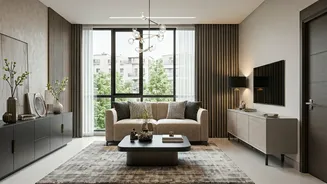
The living room would have been designed to be the central hub for relaxation and entertainment. Furniture selection would have been critical in defining the space. The arrangement of furniture, along with the incorporation of functional storage, would have been essential for optimizing flow and creating a comfortable atmosphere. The integration of technology, like a television or sound system, would have been considered to enhance the entertainment experience. The placement of accent pieces, such as artwork and décor, would have been strategically used to inject personality and style into the space. The colors and textures would have been coordinated to create a cohesive and welcoming atmosphere.
Bedroom Transformations
The bedrooms would have been transformed into tranquil and personalized sanctuaries. The selection of furniture, including the bed, nightstands, and storage units, would have been essential to create a sense of comfort and style. Careful consideration would have been given to the color scheme, ensuring the creation of a relaxing atmosphere. The lighting design, using a combination of ambient, task, and accent lighting, would have been employed to set the mood and enhance functionality. The strategic use of textiles, such as curtains and bedding, would have added texture, color, and visual interest. The organization of the space would have been critical to create a clutter-free and serene environment.
Budget & Cost Saving
The budget would have been a critical factor throughout the entire makeover process. A thorough analysis of expenses would have been carried out to stay within the allocated financial resources. The sourcing of affordable materials, such as paint, tiles, and furniture, would have been crucial for keeping costs down. Diy projects and repurposing existing items could have been incorporated to save money. The careful selection of contractors and the negotiation of prices could have helped reduce expenses. Prioritizing essential renovations and postponing optional upgrades would have been a strategy for managing financial constraints. Regular monitoring of expenses would have been done to ensure adherence to the budget.
Final Touches & Outcome
With all structural and aesthetic elements in place, the project would conclude with the addition of final touches. These could have included the arrangement of accessories, such as artwork, plants, and decorative items, to add personality. The installation of window treatments would have been done to manage light and provide privacy. A final deep cleaning of the space would have been performed to ensure a pristine outcome. The transformation would have resulted in a stunning, functional, and stylish home. The completed project would have served as inspiration for those wanting to renovate their own spaces on a budget. The impact of the makeover would have been the enhancement of the overall quality of life.