




Burger's Unexpected Beginning
A popular gardening influencer, James Prigioni, embarked on a fascinating experiment that captured the imagination of many online. Instead of discarding
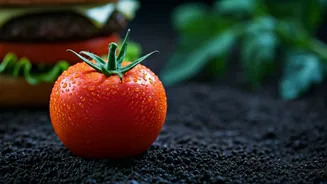
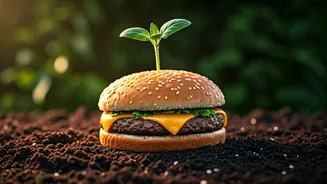
the tomato slices from a fast-food cheeseburger, he decided to test their viability for growing new plants. This unusual starting point for a horticultural endeavor led to a remarkable outcome. Prigioni documented his entire process in a video, revealing how he managed to cultivate fully grown tomato plants from the remnants of a meal. The experiment aimed to demonstrate that even the most mundane items could potentially harbor the beginnings of new life and a successful garden, offering a unique perspective on plant growth and unexpected sources of potential. His journey began with a simple Quarter Pounder with Cheese Deluxe, highlighting the surprising potential found within everyday fast food.
Planting Seeds and Slices
Prigioni employed two distinct methods to coax life from the burger's tomatoes. In one approach, he carefully extracted two seeds from a tomato slice and planted them directly into a cup. For the second method, he opted for a more direct route, placing an entire tomato slice, presumably with its seeds intact, straight into the soil. This dual strategy aimed to compare the germination success rates and subsequent growth patterns of tomatoes started from individual seeds versus those initiated from a larger piece of the fruit. The results of these contrasting planting techniques would soon become a key focus of his observation and documentation, offering insights into how different starting points might influence the development of the tomato plants.
Outdoor Growth and Challenges
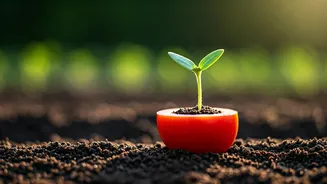
After a period of 23 days, both experimental plantings successfully sprouted, marking a significant milestone. Prigioni then relocated the young plants to an outdoor setting. The plant that originated from seeds was placed in a bucket, while the one grown from the full tomato slice was planted directly into the ground. During this outdoor phase, the bucket-grown plant faced a challenge: Prigioni admitted to not watering it adequately on several particularly hot days. Despite this neglect, the plant demonstrated remarkable resilience, continuing its growth trajectory and even beginning to produce tomatoes. This resilience under stress was a key observation, suggesting a robust nature of the plant derived from the fast-food ingredient.
Early Harvest and Stress Theory
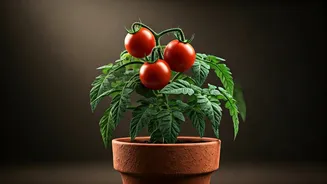
Remarkably, by the 94th day of the experiment, the plant housed in the bucket had already yielded its first batch of tomatoes. Prigioni theorized that the plant's accelerated fruit production might be attributed to the stress it endured, particularly from the inconsistent watering during hot spells. This phenomenon, where plants under duress sometimes enter reproductive phases earlier to ensure their survival and propagation, was evident in this case. The early fruiting served as a testament to the plant's hardiness and adaptability, stemming from what began as a simple slice of tomato on a burger, challenging conventional notions of optimal growing conditions.
Abundant Tomato Yield
The plant that started from the full tomato slice provided an even more astonishing outcome. By day 108, it was adorned with dozens of ripening tomatoes. Prigioni expressed his profound surprise, stating he had never witnessed such a prolific yield from a single plant in his gardening experience. He described the sight as an overwhelming abundance of fruit, a testament to the potential locked within the initial fast-food component. This plant, originating directly from a McDonald's cheeseburger, had transformed into a prolific producer, bringing forth a significant harvest that far exceeded his initial expectations, showcasing nature's ability to flourish.
Tomato Flavor Profile
Upon tasting the harvested tomatoes, Prigioni described them as having a mild sweetness with a distinct lack of acidity, making them exceptionally palatable for eating in large quantities. He noted that the smaller tomato from the bucket plant possessed a slightly sweeter flavor profile. He also explained that due to the nature of hybrid plants, each one might exhibit different characteristics and that seeds saved from these hybrids may not produce plants that are identical to the parent. This indicates that while the initial experiment was successful in growing tomatoes, the genetic makeup of the resulting fruit could be variable and unique, a fascinating outcome of his viral endeavor.
Ripening and Hybrid Traits
By the 121st day, the tomato plant growing directly in the ground was laden with numerous large tomatoes. However, a notable observation was that these tomatoes had not yet reached full ripeness. Prigioni attributed this delay in ripening to the inherent characteristics of hybrid plants. He explained that hybrid varieties can sometimes lose their consistent ripening patterns, leading to uneven maturation across the fruits. This aspect of the experiment further highlighted the complex genetic factors at play when growing from hybrids, even those originating from an unexpected source like a fast-food burger.
The Joy of Gardening
Prigioni emphasized that his primary motivation for conducting this experiment was the sheer enjoyment derived from the process. He found that the excitement of observing the tomato plants' growth spurred him to engage more actively with his entire garden. This unexpected boost in motivation led him to meticulously inspect and care for his plants. The entire experience, from acquiring a tomato from a cheeseburger to nurturing it into a plant that yielded an abundance of produce, offered him a deeply satisfying and novel horticultural adventure. It underscored the potential for fun and discovery in everyday gardening endeavors.