




Masters of Relaxation
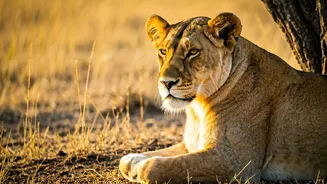
While often depicted as perpetually active hunters, lions are surprisingly adept at conserving energy, dedicating as much as 20 hours a day to rest or
sleep. This prolonged inactivity is a strategic choice, allowing them to amass the stamina needed for crucial activities like hunting, defending their territory, or engaging in fierce battles. During the most scorching hours of the day, they typically retreat to shaded areas, actively avoiding any unnecessary exertion to maintain their reserves for when it truly matters. This inherent laziness is not a sign of weakness, but rather a calculated approach to survival in their demanding environment, ensuring they are at peak performance when required.
The Real Hunters Revealed
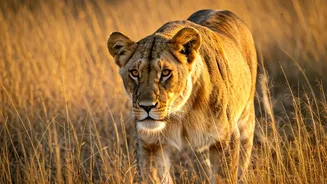
Contrary to the popular belief that male lions, with their imposing manes, spearhead the hunting expeditions, the primary responsibility for acquiring food typically falls upon the lionesses. These formidable females orchestrate intricate hunting strategies, working in seamless, coordinated groups to stealthily encircle their unsuspecting prey before launching a decisive attack. Their exceptional teamwork and communication skills are a cornerstone of their success as predators, enabling them to bring down prey that might otherwise be too challenging for a solitary hunter. This collaborative effort is a vital component of the pride's survival, showcasing the power of unity.
Brutal Succession Cycles
A harsh reality within lion society involves the grim practice of infanticide. When a new male lion asserts dominance over a pride, a disturbing pattern emerges: he may systematically eliminate the cubs that were fathered by the previous male. This brutal behavior is driven by a stark evolutionary imperative; females tend to re-enter their reproductive cycles sooner after the loss of their offspring. By ensuring his own lineage takes precedence, the new male seeks to maximize the chances of his genes being passed on. This predatory strategy, while shocking, is a testament to the relentless pursuit of survival and perpetuation in the wild.
Communal Nurturing System
Within the social fabric of a lion pride, a remarkable system of communal childcare flourishes, particularly among the lionesses. They frequently engage in mutual care for each other's offspring, extending nurturing beyond biological ties. It is not uncommon for cubs to receive nourishment, such as milk, from females who are not their biological mothers. This cooperative parenting approach significantly enhances the overall survival rates for young lions, providing them with a greater degree of protection and sustenance in the challenging wilderness. It underscores the profound social bonds that contribute to the species' resilience.
Fierce Eating Competitors
Following a successful hunt, lions exhibit an astonishing speed and intensity when consuming their kill. This urgency stems from the ever-present threat of competition from other scavengers, most notably hyenas, which are known for their aggressive and opportunistic feeding habits. A single adult lion possesses the remarkable capacity to devour an immense quantity of meat, often exceeding 30 kilograms, in a single, hurried meal. This rapid consumption is a vital survival tactic, ensuring they secure as much of the hard-earned prey as possible before it is taken by rivals.
Mane's Dynamic Appearance
The iconic mane of a male lion is not a static feature; its appearance is a dynamic reflection of various influential factors. Age, genetic predispositions, ambient temperature, and overall health all play significant roles in shaping its density and color. While some lions boast dark, luxuriant manes, others might present with significantly sparser hair around their necks. Notably, in warmer climates, shorter manes are more prevalent, as this adaptation aids the lion in regulating its body temperature and staying cooler amidst the heat, demonstrating a direct link between physical traits and environmental conditions.
Uniquely Social Predators
In stark contrast to solitary big cats like tigers and leopards, lions distinguish themselves as highly gregarious creatures. They thrive in well-defined social groups known as prides, which typically comprise multiple females, their offspring, and a few adult males. This intricate social structure provides substantial advantages, facilitating more effective defense of their territory against rivals and enabling them to collaborate on the hunting of larger, more formidable prey. Their inherent sociability is a defining characteristic, contributing significantly to their ecological success and the strength of their lineage.