




The Sticky Card Problem
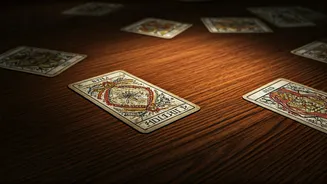
Many card game enthusiasts have experienced the frustration of a deck that refuses to cooperate. In humid conditions or after extensive shuffling, cards
can become tacky and resistant to movement. This phenomenon, often exacerbated by environmental humidity during warmer months, significantly hampers the smooth flow of gameplay. Whether you're engrossed in a friendly poker night or a strategic rummy session, sticky cards introduce an unwelcome element of resistance. Traditional methods for card maintenance might be overlooked, but a readily available kitchen staple offers an effective solution. The common issue of cards clinging together, making shuffling and dealing a challenge, stems from moisture's interaction with the card surfaces. This causes an unwelcome suction-like effect, hindering their ability to slide freely. Fortunately, a simple yet ingenious technique involving a common pantry item can restore the deck's original playability.
Flour: A Scientific Solution
The seemingly simple act of dusting playing cards with flour is rooted in practical science, particularly the principles of moisture absorption. Flour, especially wheat flour, possesses a unique structural composition that readily interacts with water molecules. While this property is essential for baking, on a playing card, it creates a localized dry environment. The fine flour particles act as microscopic moisture-wicking agents, much like chalk used by athletes to absorb sweat. Research published in journals like 'Food Chemistry' and 'Foods' highlights flour's capacity to absorb surface moisture from the cards. This process effectively 'locks in' dampness and minimizes friction between individual cards. By deploying these tiny agents, the flour prevents cards from adhering to each other, restoring their smooth, slick feel and ensuring they can slide effortlessly. This natural method not only combats immediate stickiness but also helps maintain the deck's overall humidity balance, crucial for prolonged play.
Mastering the Flour Technique
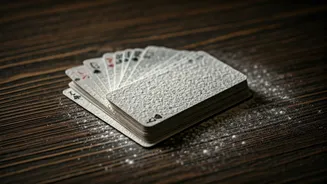
Achieving the optimal card restoration using flour requires a delicate touch; simply pouring it over the deck isn't the most effective approach. The goal is an invisible finish, detectable only by feel, not by sight or excessive dust. Excessive powder can make the cards feel gritty and detract from the experience. Studies in the 'Journal of Cereal Science' have explored how flour's behavior, including its flow and adhesion properties, varies with moisture content. For best results, place the deck inside a large, sealable plastic bag with just one tablespoon of flour. Gently toss and agitate the bag to ensure an even coating across all cards, allowing the flour to settle into the subtle textures of the card surface rather than creating a thick surface layer. Afterwards, remove the cards and tap the deck lightly to discard any excess powder. Proper storage of flour in a tightly sealed container is also vital, as flour itself becomes less effective when wet. This careful application ensures the cards regain their swiftness and agility.
Extending Card Lifespan
Beyond the immediate benefit of a smoother shuffle, the flour hack offers significant long-term advantages for your card decks, particularly older ones. Moisture is a primary culprit in the degradation of playing cards. Prolonged exposure to dampness can lead to warping, fraying of edges, and a general loss of structural integrity, rendering decks unusable over time. By regularly employing the flour technique, you create a protective barrier against excess moisture, thereby preventing these damaging effects. This proactive approach not only preserves the condition of your favorite decks but also extends their overall lifespan considerably. Instead of discarding beloved, well-worn decks, this simple, cost-effective method allows you to keep them in prime playing condition for years to come. It's a testament to how an understanding of basic principles and readily available household items can be more effective than expensive solutions.